The Silent Breakdown: How Sewer Line Damage Spreads Through Your Plumbing System
By Roto Pro 27-01-2026 23
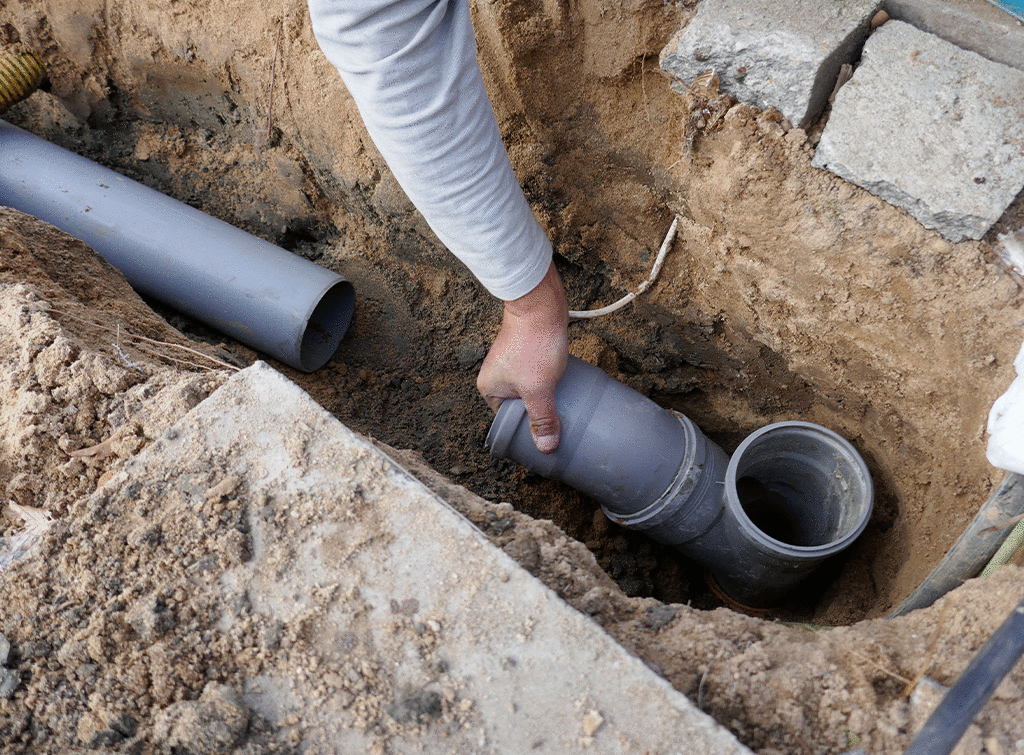
Sewer line repairs rarely announce themselves loudly. Unlike a burst pipe or overflowing toilet, sewer line damage often develops silently beneath the ground, gradually affecting every part of a property’s plumbing system. By the time visible signs appear, the damage has usually spread far beyond the original problem. Understanding how this hidden breakdown occurs can help homeowners and property managers take timely action and avoid costly repairs.
Where Sewer Line Damage Begins
Sewer lines are constantly under pressure from both internal and external forces. Aging materials, shifting soil, ground settling, tree root intrusion, and poor installation practices can all weaken sewer pipes over time. Small cracks, loose joints, or slight pipe misalignments may not stop wastewater flow immediately, but they create the perfect entry point for debris and roots.
Because these issues occur underground, they often go unnoticed. Wastewater continues to move—just more slowly—allowing damage to worsen without immediate disruption inside the home.
How the Damage Spreads Through the System
Once a sewer line becomes partially blocked or damaged, the entire plumbing system begins to feel the impact. Drainage slows, pressure builds, and wastewater struggles to move efficiently away from the property. This resistance affects every connected fixture, from sinks and showers to toilets and floor drains.
Early warning signs may include frequent clogs, gurgling noises, or inconsistent water levels in toilets. These symptoms are often mistaken for minor plumbing issues, but they usually indicate a deeper problem developing in the sewer line.
Moisture, Leaks, and Structural Consequences
Cracked or separated sewer pipes often leak wastewater into the surrounding soil. Over time, this excess moisture can destabilize the ground around foundations, leading to settling or cracking. In slab-built homes, sewer leaks beneath the structure may cause persistent dampness, unpleasant odors, or even visible floor damage.
Moist environments also increase the risk of mold growth in crawl spaces and basements. What begins as a hidden sewer line issue can eventually compromise the structural integrity and indoor environment of a building.
Health and Environmental Risks
Leaking sewer lines introduce harmful bacteria and contaminants into the soil and nearby areas. Sewer gases can escape through damaged pipes or dried plumbing traps, entering living spaces and reducing indoor air quality. Prolonged exposure to these gases may cause headaches, nausea, and respiratory discomfort.
Additionally, untreated sewer leaks can impact surrounding landscaping and, in some cases, neighboring properties—turning a private plumbing issue into a broader environmental concern.
The Importance of Early Inspection and Repair
Early detection is the most effective way to stop sewer line damage from spreading. Professional inspections, particularly camera sewer line inspections, allow plumbers to identify problem areas before a full system failure occurs. Timely sewer line repair is typically less invasive, more affordable, and far less disruptive than emergency replacements.
Ignoring early signs often leads to severe blockages, sewage backups, and extensive property damage—issues that could have been prevented with prompt attention.
Conclusion
Sewer line damage may start quietly, but its effects can spread quickly through an entire plumbing system. From slow drains and recurring clogs to structural damage and health risks, the consequences of delayed action are significant. By understanding the early warning signs and investing in regular inspections, property owners can protect their plumbing systems, avoid costly emergencies, and maintain a safe, functional living environment. Addressing sewer line issues early isn’t just preventative maintenance—it’s essential long-term protection for your home.
Tags : .....