The Role of Vehicle Access Control Systems in Smart City Infrastructure
By flap barrier 14-04-2026 591
As urban populations continue to grow, cities are facing increasing pressure to manage traffic congestion, security risks, and infrastructure efficiency.
In high-density urban environments, even small inefficiencies at entry and exit points can lead to traffic bottlenecks, delays in vehicle movement, increased fuel consumption, and serious security vulnerabilities. These issues not only affect daily operations but also reduce overall urban efficiency.
Smart cities aim to solve these challenges through technology-driven infrastructure — and one of the most critical yet often overlooked components is vehicle access control systems.
Why Vehicle Access Control is Critical in Smart Cities
Smart cities are built on the foundation of efficient mobility and controlled infrastructure. Without proper vehicle entry management, even advanced urban systems can fail to deliver smooth traffic flow.
Unregulated vehicle movement often results in chaotic traffic conditions, unauthorized access in sensitive areas, inefficient parking management, and increased operational costs. These problems become more visible during peak hours when vehicle volume is high.
To overcome these challenges, cities are increasingly adopting automated systems that regulate how vehicles enter and exit controlled environments.
Core Components of Smart Access Control Systems
Modern vehicle access control systems are no longer limited to basic barriers. They are integrated solutions that combine multiple technologies to ensure efficient and secure operations.
These include RFID-based vehicle identification for fast validation, ANPR (Automatic Number Plate Recognition) for automated tracking, sensor-based detection systems for safety, and centralized monitoring platforms for real-time control.
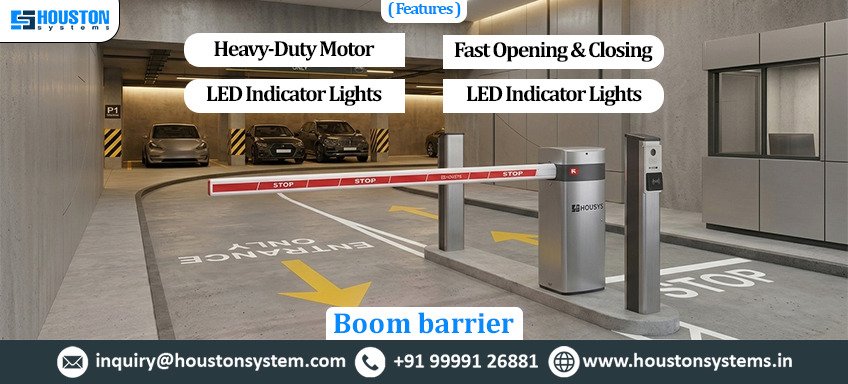
Many urban facilities now rely on an automatic boom barrier system to streamline traffic flow, reduce congestion, and ensure controlled vehicle access without manual intervention.
Impact on Traffic Flow and Urban Mobility
Efficient traffic management is one of the primary goals of smart city development. Poorly managed entry points can disrupt entire traffic systems, especially during peak hours when hundreds of vehicles arrive within a short period.
Vehicle access control systems help reduce congestion at entry points, improve vehicle processing speed, and maintain structured traffic flow. In high-traffic zones, even a delay of a few seconds per vehicle can lead to long queues, making automation essential rather than optional.
Strengthening Urban Security
Security is a major concern in modern cities, especially in areas such as government buildings, commercial complexes, transport hubs, and residential communities.
Vehicle access control systems enhance security by allowing only authorized vehicles, maintaining proper monitoring, and reducing unauthorized access risks. These systems create a controlled environment where entry is verified and recorded.
Understanding why unauthorized vehicle entry still happens in secured premises helps highlight the importance of structured access control systems and proper implementation.
Real-World Applications in Smart Cities
Vehicle access control systems are widely used across different urban environments.
In commercial spaces, they help manage employee and visitor entry efficiently. In residential societies, they ensure secure and controlled access. Airports and transport hubs rely on these systems to handle large volumes of vehicle movement. Smart parking facilities use them to reduce congestion and optimize space usage.
Efficiency and Operational Benefits
Automation in vehicle access control delivers measurable improvements in urban infrastructure. It enables faster vehicle throughput, reduces manual intervention, improves accuracy, and allows better data tracking for traffic management.
These benefits not only improve operational efficiency but also support long-term infrastructure planning.
The Future of Smart Mobility
As smart city initiatives continue to evolve, vehicle access control systems are becoming more advanced with the integration of AI-based traffic prediction, real-time data analytics, and IoT-enabled infrastructure.
These innovations will support predictive traffic management, reduce congestion, and enhance overall urban mobility.
Conclusion
Vehicle access control systems are a foundational element of smart city infrastructure. They play a critical role in managing traffic efficiently, enhancing urban security, and supporting automated systems.
As cities continue to expand, adopting intelligent access control solutions will be essential for building sustainable, secure, and efficient urban environments.
Tags : vehicle access control system automatic boom barrier system smart parking systems parking access control solutions unauthorized vehicle entry prevention RFID vehicle access control traffic flow management systems smart city infrastructure technology automated entry systems security systems for parking