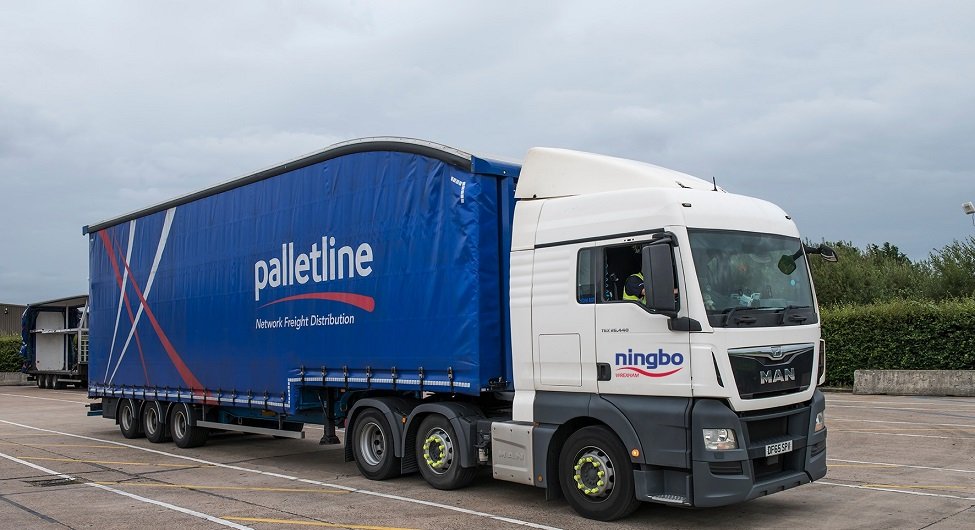
The logistics industry is constantly evolving to meet the demands of businesses and consumers who expect efficiency, reliability, and speed. Among the many providers that have shaped the distribution landscape in the United Kingdom, Palletline has established itself as a leader in collaborative freight solutions. Built on the principle of partnership, innovation, and shared resources, this network has transformed the way goods are transported, managed, and delivered. Palletline logistics is not just about moving pallets from one place to another—it is about creating a smarter, more sustainable, and more interconnected supply chain that empowers businesses of all sizes.
Understanding Palletline and Its Core Concept
At the heart of Palletline is the concept of a pallet network: a collaborative system that brings together independent transport companies to work under one umbrella. Instead of relying on a single operator to handle every aspect of delivery, Palletline integrates a network of trusted members who manage collections and deliveries in their local areas while contributing to a central hub system. This model ensures nationwide coverage and enables businesses to ship smaller loads at competitive prices without compromising on reliability.
By utilising pallets as the standard unit of transport, goods can be handled efficiently, secured properly, and delivered with minimal risk of damage. For businesses ranging from small enterprises to multinational corporations, this system allows for flexible logistics solutions that adapt to their needs. Palletline has taken this concept further by introducing innovative practices, advanced technology, and a strong focus on customer service, making it a trusted name in UK distribution.
The Evolution of Palletline Logistics
Since its establishment, Palletline has been recognised as one of the pioneers of the palletised distribution model in the UK. When it was first launched, the idea of multiple hauliers working together in a network was relatively new. However, Palletline proved that collaboration could outperform traditional logistics structures by combining local expertise with national reach.
Over the years, the network has grown steadily, expanding its infrastructure to include multiple hubs, hundreds of vehicles, and a robust network of member companies. What sets Palletline apart is its ability to adapt to the shifting demands of the logistics industry, whether it’s the surge in e-commerce, stricter environmental regulations, or the global challenges that affect supply chains. Its growth reflects not just its operational strength but also its ability to build trust and long-term partnerships with its members and customers.
Advantages of the Palletline Model
Nationwide Coverage with Local Expertise
Palletline offers full UK coverage through its network of member depots. Each member company is responsible for collections and deliveries in their region, ensuring that customers benefit from local knowledge and personalised service. At the same time, the hub-and-spoke system guarantees that goods can move seamlessly across the country, providing businesses with both reach and reliability.
Cost-Effective Distribution
For many businesses, logistics costs can be a significant burden. By consolidating shipments from different companies, Palletline ensures that vehicles are optimally loaded, reducing empty miles and cutting transportation expenses. This shared model means businesses can send anything from a single pallet to multiple loads without worrying about high costs.
Efficiency in Handling and Delivery
The use of pallets standardises the way goods are moved, stored, and delivered. Forklifts, pallet trucks, and automated systems can handle these loads with ease, speeding up processes and reducing manual handling. Palletline has refined this process to ensure that goods are handled quickly and securely from collection to delivery.
Reduced Environmental Impact
Sustainability has become a priority for logistics providers, and Palletline is no exception. By consolidating freight and maximising vehicle utilisation, the network reduces the number of vehicles on the road. This translates into lower carbon emissions and contributes to greener supply chains. Many member companies are also investing in eco-friendly vehicles and practices to further enhance sustainability.
Reliable and Secure Service
Trust is critical in logistics, and Palletline has built a reputation for reliability. Goods are handled carefully within the network, and the risk of loss or damage is significantly reduced thanks to palletisation and well-established processes. Businesses benefit from peace of mind, knowing that their products will arrive safely and on time.
Technology Driving Palletline Logistics
Modern logistics depends heavily on technology, and Palletline has embraced innovation to improve efficiency and customer experience. Advanced IT systems allow for seamless booking, real-time tracking, and status updates that keep businesses informed throughout the delivery process. Automated sorting systems at central hubs ensure that pallets are allocated quickly and accurately, reducing turnaround times.
Digitalisation has also enabled better communication between members of the network, ensuring transparency and coordination at every stage. This level of technological integration allows Palletline to stay ahead in an industry where speed, visibility, and reliability are essential.
Supporting Businesses Across Sectors
One of the strengths of Palletline logistics is its ability to serve a wide range of industries. Manufacturers use the network to move raw materials and finished goods to warehouses, distributors, or directly to customers. Retailers benefit from reliable palletised deliveries to stores and distribution centres, helping them maintain stock levels and respond quickly to demand.
The growth of e-commerce has also fuelled demand for flexible and efficient palletised solutions. Businesses that once relied on parcel couriers are now turning to pallet networks as their volumes grow, requiring a service that can handle larger and more complex shipments. Palletline’s versatility makes it an ideal partner for companies of all sizes, from local producers to national retailers.
Challenges in the Logistics Sector
While Palletline has built a strong and efficient network, the logistics sector as a whole faces ongoing challenges. Rising fuel costs, a shortage of qualified drivers, and stricter environmental regulations are putting pressure on providers. Additionally, customer expectations for rapid delivery are increasing, making it necessary to balance cost-effectiveness with speed.
Global events, such as supply chain disruptions and economic uncertainty, also impact logistics providers. However, Palletline’s collaborative model gives it resilience, allowing the network to adapt and share resources when challenges arise. This strength positions Palletline as a reliable partner even in uncertain times.
Sustainability and the Future of Palletline
As environmental concerns grow, logistics providers are under pressure to reduce their carbon footprint. Palletline is investing in sustainable practices, from greener vehicles to energy-efficient depots. The consolidation of freight within its network already reduces emissions compared to traditional transport models, but the future will demand even greater innovation.
In addition to sustainability, technology will continue to shape the network’s future. Automation, artificial intelligence, and data analytics will enhance efficiency and allow for smarter decision-making. As the logistics industry evolves, Palletline is well-placed to integrate these advances and maintain its position as a leader in palletised distribution.
Why Palletline Logistics Matters
The importance of logistics cannot be overstated in a world where businesses and consumers expect seamless access to goods. Palletline logistics matters because it enables companies to compete, grow, and thrive without being held back by transport challenges. Its model of collaboration, innovation, and sustainability demonstrates how logistics can be both efficient and responsible.
Whether it’s a small business sending a few pallets or a multinational managing large-scale supply chains, Palletline provides a dependable and cost-effective solution. Its success is built not only on infrastructure but also on the relationships and trust it has fostered within its network and with its customers.
Conclusion
Palletline logistics represents a powerful blend of collaboration, technology, and sustainability in the modern distribution landscape. By creating a network that allows businesses of all sizes to access efficient and reliable palletised solutions, Palletline has redefined what logistics can achieve. Its ability to combine nationwide reach with local expertise, while keeping costs manageable and embracing innovation, makes it a vital part of the UK’s supply chain infrastructure.
Tags : Palletline Logistics