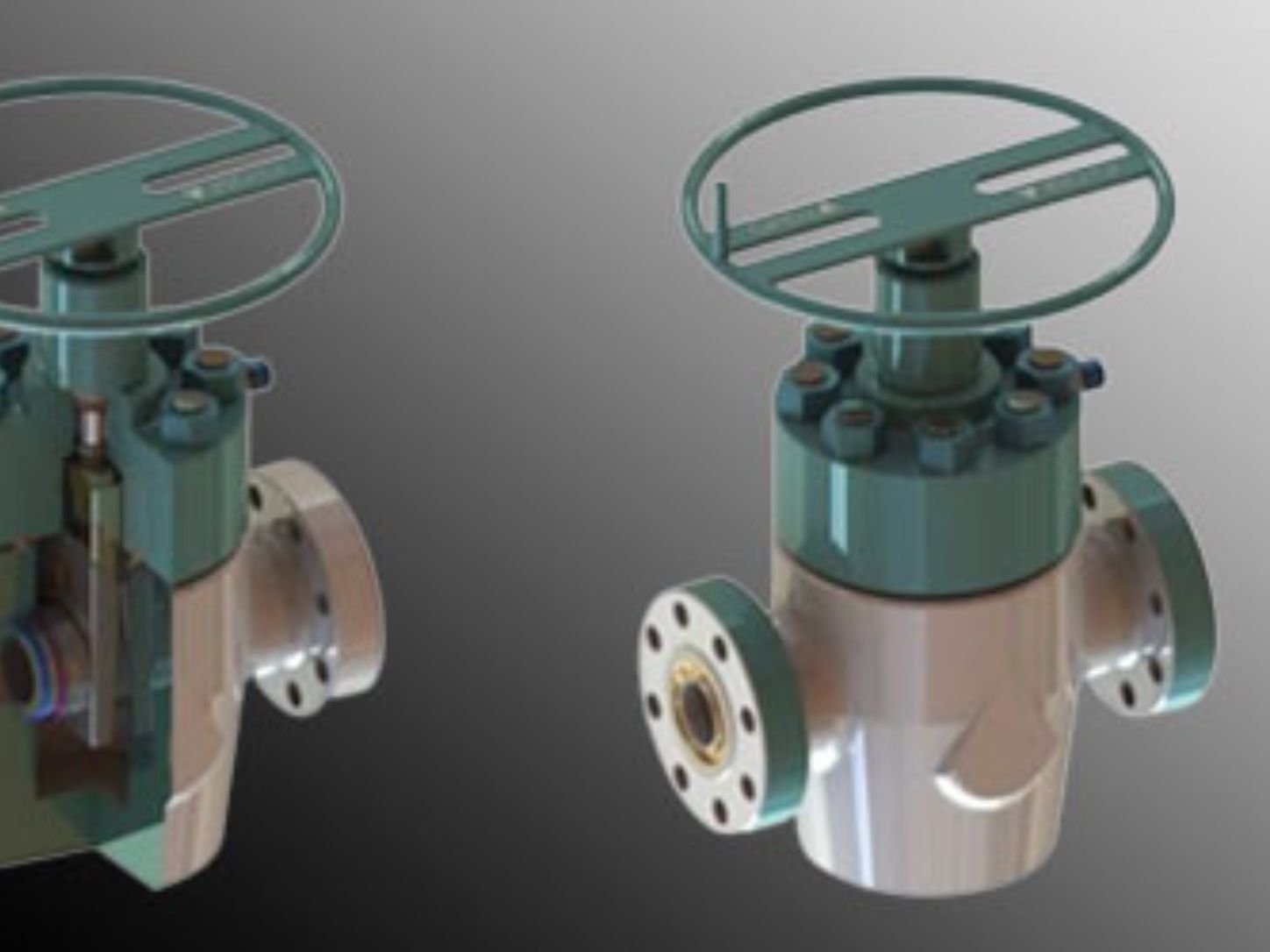
Refineries and petrochemical plants operate under extreme pressure, high temperatures, and corrosive environments daily. Plant operators process volatile liquids and gases around the clock. Reliable flow control is essential in these facilities to avoid accidents. High-quality API Gate Valves are built strictly to API standards. They provide dependable isolation and reduced leakage in demanding industrial applications. Selecting the right valve gives safer operations, lowers maintenance needs, and improves overall plant efficiency. These heavy-duty valves have a long service life, even in harsh conditions. Plant engineers specify them for almost every processing unit.
Why Reliable Flow Isolation Matters in Refineries and Petrochemical Plants
Continuous processing environments handle crude oil, refined fuels, steam, gas, and active chemicals. These materials move through high-pressure and high-temperature pipelines constantly. Unplanned shutdowns cost facilities money and reduce output directly. Stopping leakage is an immediate operational requirement for environmental safety. You need dependable isolation during maintenance cycles so workers can repair lines safely. If isolation fails, process fluids can enter work areas. Valves are one of the most critical components in process piping systems. If a pipe section needs work, the isolation valve must hold the fluid pressure back completely. Block valves stay closed for long periods and must work perfectly when operated.
Understanding API Gate Valves and Their Working Principle
API Gate Valves follow specific industry standards like API 600 for heavy-duty bolted bonnet steel gate valves. These are available in rising stem and non-rising stem designs. The working principle is simple and mechanical. A flat or wedge-shaped gate moves down into the valve body to block fluid flow. Turning the handwheel moves the stem up to open the flow path. They have a full-port design. This means the internal valve opening matches the pipe diameter exactly. The straight-line flow characteristic results in minimal pressure drop across the valve. You operate these valves in either the fully open or fully closed position. Gate valves are preferred for isolation rather than throttling. Throttling causes high-velocity fluid to damage the gate and seats over time.
Key Roles of API Gate Valves in Refinery and Petrochemical Operations
Process isolation
They isolate specific sections of process piping directly. This allows safe equipment maintenance on pumps or heat exchangers while the rest of the unit stays online. Maintenance teams lock them closed.
Crude oil transportation
Pipelines carry heavy crude oil from tanks to primary distillation units. Gate valves provide reliable shut-off during pipeline operations. They handle the thick, abrasive media without clogging the flow path.
Steam systems
Steam networks drive turbines and heat process fluids. API gate valves handle elevated temperatures safely. They isolate high-pressure steam headers in power generation areas. The metal seats resist steam erosion.
Chemical processing
Petrochemical lines carry corrosive media like acids, solvents, and catalysts. Valves manufactured from specific alloys provide resistance to corrosive media. They stop flow between reactor vessels during batch changes.
Storage terminals
Tank farms store large volumes of finished liquids. Gate valves give flow isolation between tanks and transfer lines. Operators use them at the base of large storage tanks to block gravity flow.
Utility services
Plants need many auxiliary systems to function properly. You will find gate valves installed on cooling water headers, firewater lines, and compressed air networks throughout the entire facility.
Major Benefits of Using API Gate Valves
These valves deliver tight shut-off performance to stop fluid movement entirely. This basic design leads to reduced leakage in high-pressure hydrocarbon lines. The full bore opening creates low pressure loss across the piping system. Cast steel and forged construction provide high durability for heavy industrial use. Proper materials and wall thickness result in a long operational life. The standard bolted bonnet design allows easy maintenance and part replacement. Precision machined metallic seats give reliable sealing against the gate. They are highly suitable for large-diameter pipelines handling massive flow rates. Operators get excellent performance under demanding operating conditions like thermal cycling. They ensure compliance with international industrial standards for plant safety audits. These physical advantages directly impact refinery productivity and operational safety daily.
Factors to Consider Before Selecting API Gate Valves
Buying decisions should not focus only on price. You must check the pressure class and temperature rating to match the exact process conditions. The valve size and end connections, like flanged or butt-weld, must fit the existing piping layout. Look at the operating environment closely. Coastal plants or highly corrosive areas need different body and trim materials. Verify compliance with API standards. Look at maintenance accessibility on the piping rack. If the valve is high up, automation compatibility might be required to install an electric or pneumatic actuator. Request quality certifications from the manufacturer before ordering. Supplier reliability matters for getting identical spare parts later during plant turnarounds.
Conclusion
Refinery flow systems need dependable isolation at all times. API gate valves handle heavy crudes, high-pressure steam, and aggressive chemicals in these plants. Selecting the correct size and trim material prevents leaks and reduces downtime. Process engineers rely on these standard-compliant valves to keep facilities running safely without pressure loss. Buying the correct specification is a practical industrial requirement. ISTEEL supplies tested industrial valves for processing plants.
Tags : API Gate Valve