Mills, whether they process steel, textiles, paper, or grain, run on tight margins and heavy machinery. Many mill owners still rely on manual processes, outdated spreadsheets, or disconnected systems to manage production, inventory, and orders. This approach often leads to delays, errors, and lost revenue. Investing in modern technology is no longer optional for mills that want to stay competitive. It is a smart financial decision that pays off over time.
This article explains how technology investment benefits mill businesses, what kind of return owners can expect, and why this shift matters now more than ever.
Why IT Services for Mill Industry Matter
IT services for mill industry operations cover a wide range of solutions, including production tracking software, automated inventory systems, predictive maintenance tools, and cloud based reporting. These tools help mill owners see what is happening on their factory floor in real time. Instead of waiting for end of day reports, managers can spot problems as they happen and fix them before they become costly.
For example, a textile mill using sensors connected to a central system can detect when a machine is running below expected speed. This allows the maintenance team to act early, avoiding a full breakdown that could halt production for hours or even days.
Reducing Downtime and Saving Money
Unplanned equipment failure is one of the biggest expenses in any mill. Every hour a machine sits idle, the business loses money on labor, missed deadlines, and wasted raw materials. Predictive maintenance software uses data from machines to forecast when a part is likely to fail. This gives staff time to schedule repairs during planned downtime rather than dealing with surprise breakdowns.
Studies across manufacturing sectors consistently show that predictive maintenance can reduce equipment downtime significantly and lower repair costs. For a mill running continuous shifts, even a small reduction in downtime translates into thousands of dollars saved each month.
Improving Inventory and Supply Chain Accuracy
Mills often deal with large volumes of raw materials and finished goods. Manual inventory tracking leads to mistakes such as overordering, stockouts, or misplaced materials. Modern inventory management software connects directly to production data, so stock levels update automatically as materials are used or produced.
This accuracy helps mill owners avoid tying up cash in excess inventory while also preventing production delays caused by missing supplies. Better forecasting also strengthens relationships with suppliers and customers, since orders can be fulfilled on time more consistently.
Better Decision Making Through Data
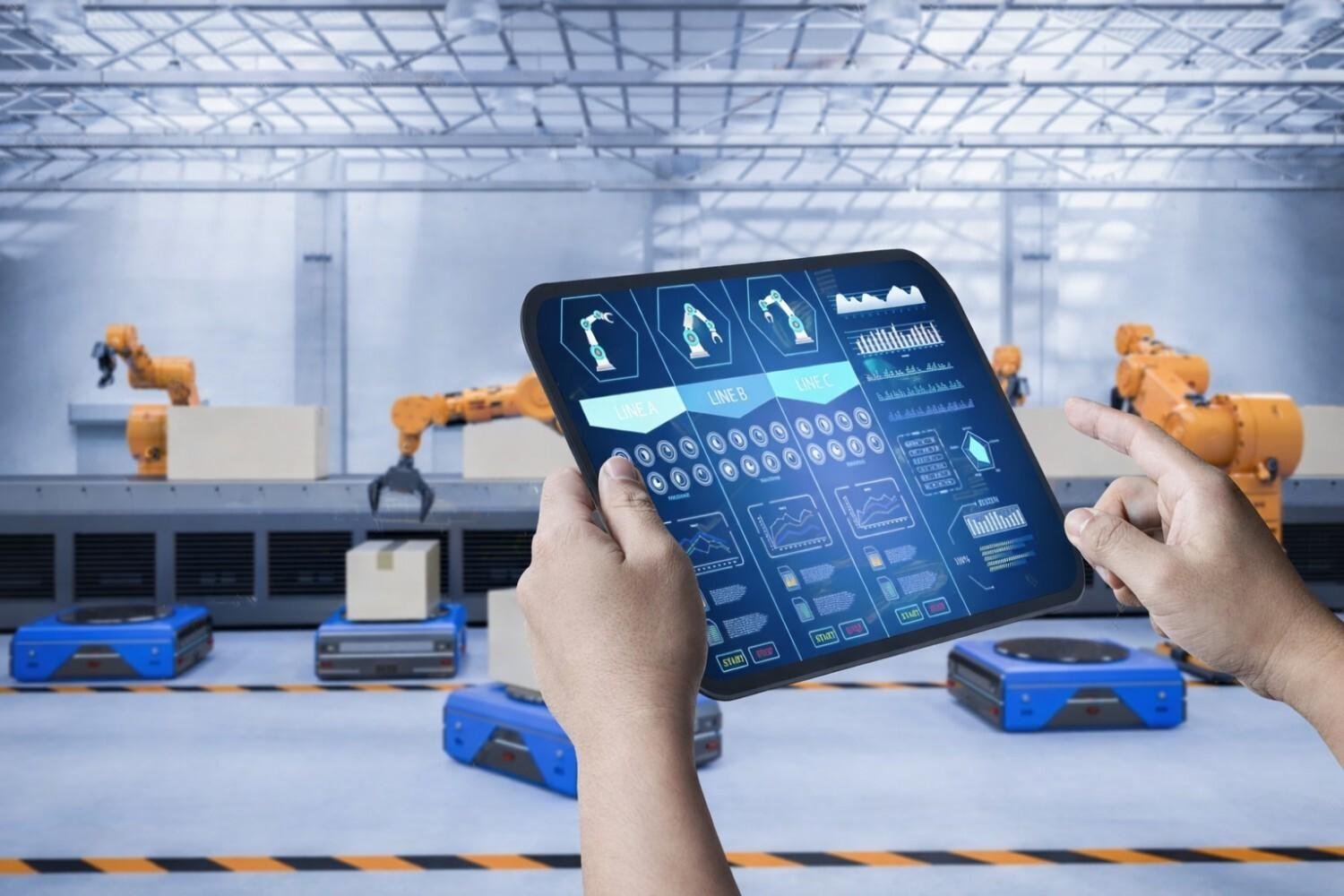
One of the strongest arguments for IT investment is the access it gives owners to clear, accurate data. Instead of relying on guesswork or outdated reports, managers can view dashboards showing production output, energy use, labor efficiency, and quality control metrics. This information supports faster and smarter decisions.
For instance, if data shows that a particular shift consistently produces more waste, management can investigate the cause, whether it is equipment calibration, staff training, or material quality. Without this visibility, such issues often go unnoticed for months.
Calculating the Return on Investment
Return on investment for IT spending in mills typically comes from several areas working together. These include reduced downtime, lower waste, improved labor productivity, fewer manual errors, and better customer satisfaction due to on time delivery. While the upfront cost of new software or hardware can seem high, most mills recover their investment within one to two years, depending on the size of the operation and the systems chosen.
A simple way to estimate ROI is to compare current losses from inefficiencies against the projected savings after implementation. Many software providers offer trial periods or case studies from similar businesses, which can help owners set realistic expectations before committing.
Choosing the Right Technology Partner
Not every IT solution fits every mill. Owners should look for providers with proven experience in manufacturing or industrial settings, since these systems require an understanding of heavy machinery and production workflows. Asking for references, requesting demonstrations, and starting with a smaller pilot project are practical ways to reduce risk before a full rollout.
It also helps to choose scalable solutions. As a mill grows or adds new equipment, the software should be able to expand without requiring a complete system replacement.
Conclusion
Technology investment is reshaping how mills operate, from reducing downtime to improving inventory accuracy and supporting better decisions. While the initial cost may seem significant, the long term savings and efficiency gains make a strong case for adoption. Choosing reliable mill products industry software tailored to specific operational needs can help owners see measurable returns within a relatively short period. For mill businesses aiming to stay competitive in a demanding market, this investment is one of the most practical steps toward long term stability and growth.
Frequently Asked Questions
Q1. How long does it take to see ROI from IT investment in a mill?
Most mills see measurable returns within one to two years, depending on the scale of implementation and the specific systems adopted.
Q2. What is the biggest cost saving from mill IT systems?
Reduced equipment downtime through predictive maintenance is usually the largest source of savings, followed by improved inventory accuracy.
Q3. Is IT investment only useful for large mills?
No. Small and mid sized mills can also benefit, often seeing a higher relative impact since even small efficiency gains matter more to smaller operations.
Q4. Do mill workers need special training to use new software?
Basic training is usually required, but most modern systems are designed with simple interfaces that reduce the learning curve for staff.
Q5. Can existing machinery be connected to new software without replacement?
In many cases, yes. Sensors and connectors can often be added to existing equipment, allowing mills to upgrade without buying entirely new machines.