How to Scale Your Fashion Brand with the Right Manufacturing Partner
By oscarmartinwriters 30-06-2026 273
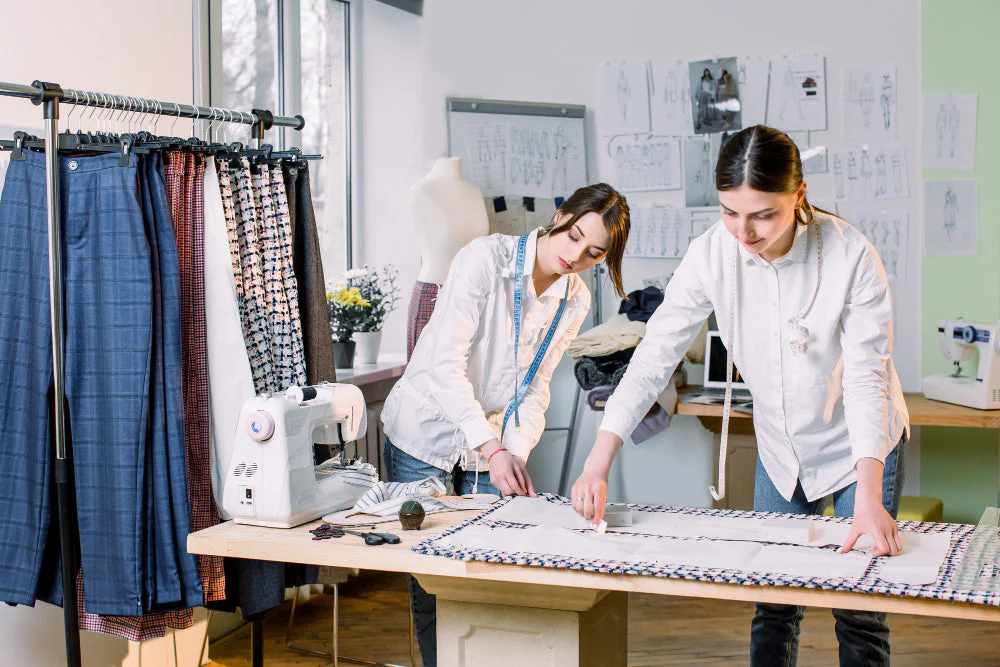
Scaling a fashion brand is not just about selling more products. It’s about building a system that can grow smoothly without breaking quality, delivery times, or customer trust. One of the most important decisions in this journey is choosing the right manufacturing partner. Even many successful brands rely on top clothing manufacturers to handle production while they focus on branding, marketing, and expansion.
If your manufacturing setup is weak, scaling becomes risky. But with the right partner, growth becomes much easier, faster, and more stable.
Here’s how you can scale your fashion brand effectively with the right manufacturing support.
1. Start with a Manufacturer That Understands Your Growth Vision
Scaling requires long-term thinking. You need a manufacturer who doesn’t just take small orders but understands where your brand is heading.
Before committing, ask:
- Can they handle increasing order volumes?
- Do they have experience with growing brands?
- Are they flexible with production expansion?
Many of the top clothing manufacturers are structured to support brands from startup stage to large-scale production, which is critical for long-term success.
2. Build Strong Communication from the Beginning
Good scaling depends heavily on communication. If your manufacturer does not understand your expectations clearly, small issues can turn into big production problems later.
You should ensure:
- Fast and clear communication
- Transparency in production timelines
- Regular updates during manufacturing
- Clear approval processes for samples
When communication is strong, scaling becomes much smoother because both sides are aligned.
3. Standardize Your Product Quality Early
Before you scale, you need consistency. That means every product must look, feel, and fit the same across all production batches.
Work with your manufacturer to:
- Finalize approved samples
- Lock fabric specifications
- Define stitching and finishing standards
- Create size charts and grading rules
Once these standards are set, your manufacturer can replicate the same quality even at higher volumes. This is one of the key strengths of experienced top clothing manufacturers.
4. Focus on Manufacturers with Strong Production Capacity
Not every factory can handle growth. Some are good for small batches but struggle when demand increases.
A scaling-friendly manufacturer should have:
- Multiple production lines
- Skilled workforce
- Reliable supply chain access
- Ability to handle bulk orders quickly
If your brand suddenly goes viral or demand increases, your manufacturer should be able to keep up without delays or quality issues.
5. Use Small Batches Before Full Scaling
Smart brands don’t jump into large production immediately. Instead, they test the market first.
A good scaling strategy looks like this:
- Start with small batch production
- Test customer response
- Collect feedback
- Improve design and fit
- Move to larger orders
This approach reduces risk and ensures you are scaling a product that actually sells.
6. Strengthen Your Supply Chain Network
Scaling is not just about manufacturing. It also depends on how strong your supply chain is. That includes fabric suppliers, printing partners, and logistics.
Top manufacturers often already have established supplier networks, which helps you:
- Get better fabric quality
- Reduce delays
- Lower production costs
- Maintain consistency in materials
Working with top clothing manufacturers often gives you access to a complete ecosystem, not just a factory.
7. Maintain Quality Control as You Scale
One of the biggest mistakes brands make is losing quality when they scale. More orders should never mean lower standards.
Your manufacturer should implement:
- In-line production checks
- Final inspection before shipping
- Defect reporting systems
- Consistent quality audits
Without proper quality control, your brand reputation can suffer quickly, even if sales are growing.
8. Plan Your Cost Structure Carefully
Scaling also affects your pricing and profit margins. As production increases, your cost per unit should ideally decrease.
Discuss with your manufacturer:
- Bulk pricing discounts
- Material cost optimization
- Packaging efficiency
- Shipping and logistics cost planning
The right partner will help you improve margins as you grow, not just produce clothing.
9. Work with Manufacturers Who Support Customization
As your brand grows, you will likely introduce new designs, collections, and seasonal drops. Your manufacturer should be able to support this creative growth.
Look for flexibility in:
- Fabric choices
- Design variations
- Printing and embroidery techniques
- Private label options
This flexibility allows your brand to stay fresh and competitive in a fast-moving market.
10. Build a Long-Term Partnership, Not a Transaction
Scaling is not a one-time process. It requires trust and long-term collaboration. The best results come when your manufacturer is invested in your brand’s success.
A strong partnership means:
- Better priority in production schedules
- Faster problem-solving
- Improved product development support
- Better long-term pricing
Many successful brands stay with the same top clothing manufacturers for years because of this stability.
Final Thoughts
Scaling a fashion brand is much easier when you have the right manufacturing partner. It’s not just about producing more clothes, but about building a system that supports growth at every stage.
If you want to scale successfully, focus on quality, communication, capacity, and long-term partnership. With the right top clothing manufacturers, your brand can move from small batches to large-scale production without losing identity or consistency.