The Rise of Pakistan Rice Exporters in Middle Eastern Markets
By Limoservicelosangeles 23-02-2026 78
Growing Demand for Premium Basmati in the Gulf Region
The Middle East has long been one of the most important destinations for Pakistan Rice Exporters. Countries such as Saudi Arabia, the United Arab Emirates, Qatar, Oman, and Kuwait have a strong cultural preference for long-grain aromatic basmati rice. Daily consumption patterns, hospitality traditions, and large expatriate populations from South Asia have significantly increased demand. Pakistan Rice Exporters consistently provide premium basmati varieties known for elongation, aroma, and taste after cooking. The Gulf’s expanding retail chains and food service industry further boost import volumes each year. As disposable income rises across the region, buyers are seeking quality over price alone. This shift benefits established companies like Amir rice mills, which focus on delivering consistent standards, competitive pricing, and reliable supply to Middle Eastern partners.
Strong Trade Relations Between Pakistan and Middle Eastern Countries
Strategic diplomatic and economic relationships have helped Pakistan Rice Exporters strengthen their position across Middle Eastern markets. Pakistan enjoys favorable trade ties with many Gulf Cooperation Council (GCC) countries. Reduced tariff barriers, bilateral agreements, and smooth shipping routes via Karachi and Port Qasim enhance export efficiency. Logistics advantages shorten delivery times compared to distant competitors. Pakistan Rice Exporters also benefit from geographic proximity, allowing quicker replenishment for distributors and supermarkets. Trusted names such as Amir rice mills leverage these trade advantages to build long-term partnerships with wholesalers and importers. Participation in international food exhibitions in Dubai and Riyadh further increases brand visibility. Stronger institutional cooperation between governments continues to create a stable environment for sustained export growth.
Competitive Advantage in Quality and Aroma
A key reason behind the success of Pakistan Rice Exporters is the superior aroma and grain length of Pakistani basmati varieties. The unique soil and climatic conditions of Punjab produce rice with distinctive fragrance and elongation after cooking. Middle Eastern consumers particularly value rice that remains fluffy and separate, complementing traditional dishes such as Kabsa and Mandi. Pakistan Rice Exporters maintain strict quality control procedures from paddy procurement to milling and packaging. Modern processing plants reduce broken grains and preserve aroma. Amir rice mills utilizes advanced sorting and grading technology to ensure uniformity in every shipment. High-quality standards, combined with competitive pricing, make Pakistani rice a preferred choice among regional buyers seeking reliability and premium product performance.
Expanding Retail and Private Label Opportunities
The rapid growth of supermarket chains and hypermarkets in the Middle East has opened new channels for Pakistan Rice Exporters. Major retailers prefer suppliers capable of bulk shipments and customized packaging. Private label contracts are increasingly popular, allowing distributors to market rice under their own brand names. Pakistan Rice Exporters adapt to these trends by offering flexible packaging sizes, multilingual labeling, and region-specific designs. Companies like Amir rice mills invest in branding and compliance to meet retailer specifications. Food safety certifications such as ISO and HACCP further build buyer confidence. As urbanization accelerates and organized retail expands, consistent supply capacity becomes crucial. Exporters capable of scaling production while maintaining quality continue to capture larger market shares.
Digital Marketing and Global Branding Strategies
Modern marketing approaches have significantly supported the growth of Pakistan Rice Exporters across Middle Eastern countries. Importers and distributors increasingly research suppliers online before forming partnerships. Professional websites, certifications, product catalogs, and transparent communication enhance credibility. Pakistan Rice Exporters that maintain strong digital presence gain competitive advantage. Social media marketing and B2B platforms also help generate inquiries from wholesalers in Dubai, Doha, and Riyadh. Amir rice mills focuses on presenting its product range, milling facilities, and export experience professionally to attract long-term clients. Participation in virtual trade events and digital expos further increases outreach. Consistent branding, high-quality product images, and clear value propositions strengthen trust among regional buyers seeking dependable suppliers.
Role of Food Security Policies in the Middle East
Many Middle Eastern countries rely heavily on food imports due to limited agricultural capacity. Food security initiatives have encouraged governments to form reliable supply chains with exporting nations. Pakistan Rice Exporters play a vital role in fulfilling stable rice demand in these import-dependent economies. Long-term supply agreements reduce volatility and ensure consistent availability for consumers. Strategic reserves and bulk procurement programs frequently include Pakistani rice because of its reputation and affordability. Amir rice mills contributes to these goals by maintaining steady production and timely shipment schedules. As governments focus more on sustainable and dependable import partnerships, exporters that demonstrate consistency, transparency, and logistical efficiency strengthen their market presence.
Adaptation to Cultural Preferences and Packaging Trends
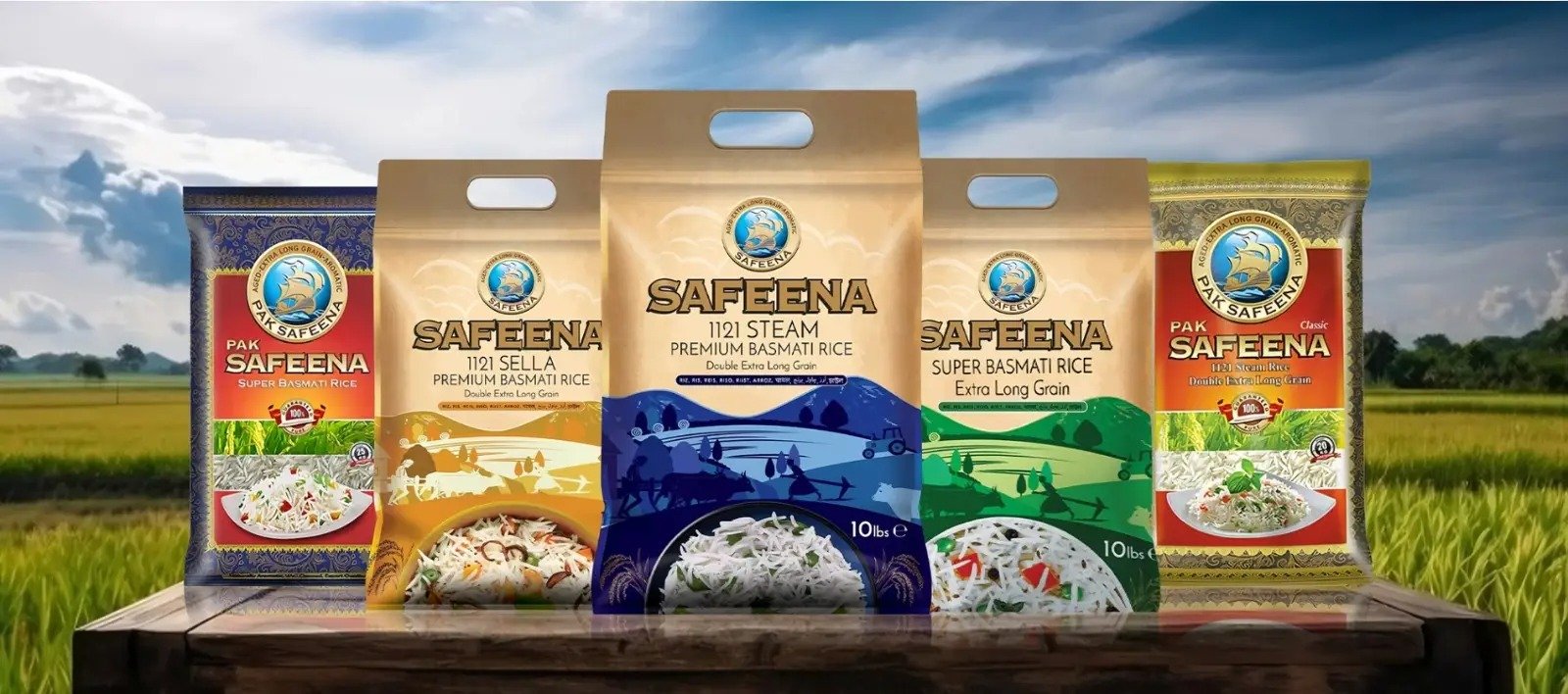
Understanding local preferences has been crucial for Pakistan Rice Exporters operating in the Middle East. Packaging design, language translation, and cooking instructions tailored to Arabic-speaking consumers enhance product acceptance. Different markets may prefer 5kg, 10kg, or 20kg bags based on household size and commercial demand. Pakistan Rice Exporters increasingly customize branding elements such as halal symbols and origin certification to appeal to regional sensibilities. Amir rice mills integrates these adaptations into its export strategy by offering flexible packaging and compliant labeling. Cultural awareness also extends to taste profiles, where consumers expect specific grain length and fragrance intensity. Exporters that align product specifications with market expectations achieve stronger brand loyalty and repeat business.
Future Outlook for Pakistan Rice Exporters in the Region
The long-term outlook for Pakistan Rice Exporters in Middle Eastern markets remains highly promising. Population growth, urban expansion, and expanding hospitality sectors will continue driving rice consumption. Competitive pricing combined with consistent quality positions Pakistani suppliers advantageously against global competitors. Investments in modernization, sustainability, and traceability will further enhance trust with regional importers. Amir rice mills is well-positioned to capitalize on these opportunities through advanced milling infrastructure and strong buyer relationships. As trade connectivity improves and branding efforts mature, market penetration is expected to deepen across Gulf and neighboring regions. Continuous innovation in quality control, packaging, and distribution will sustain the upward trajectory of Pakistan Rice Exporters in years ahead.
Tags : .....