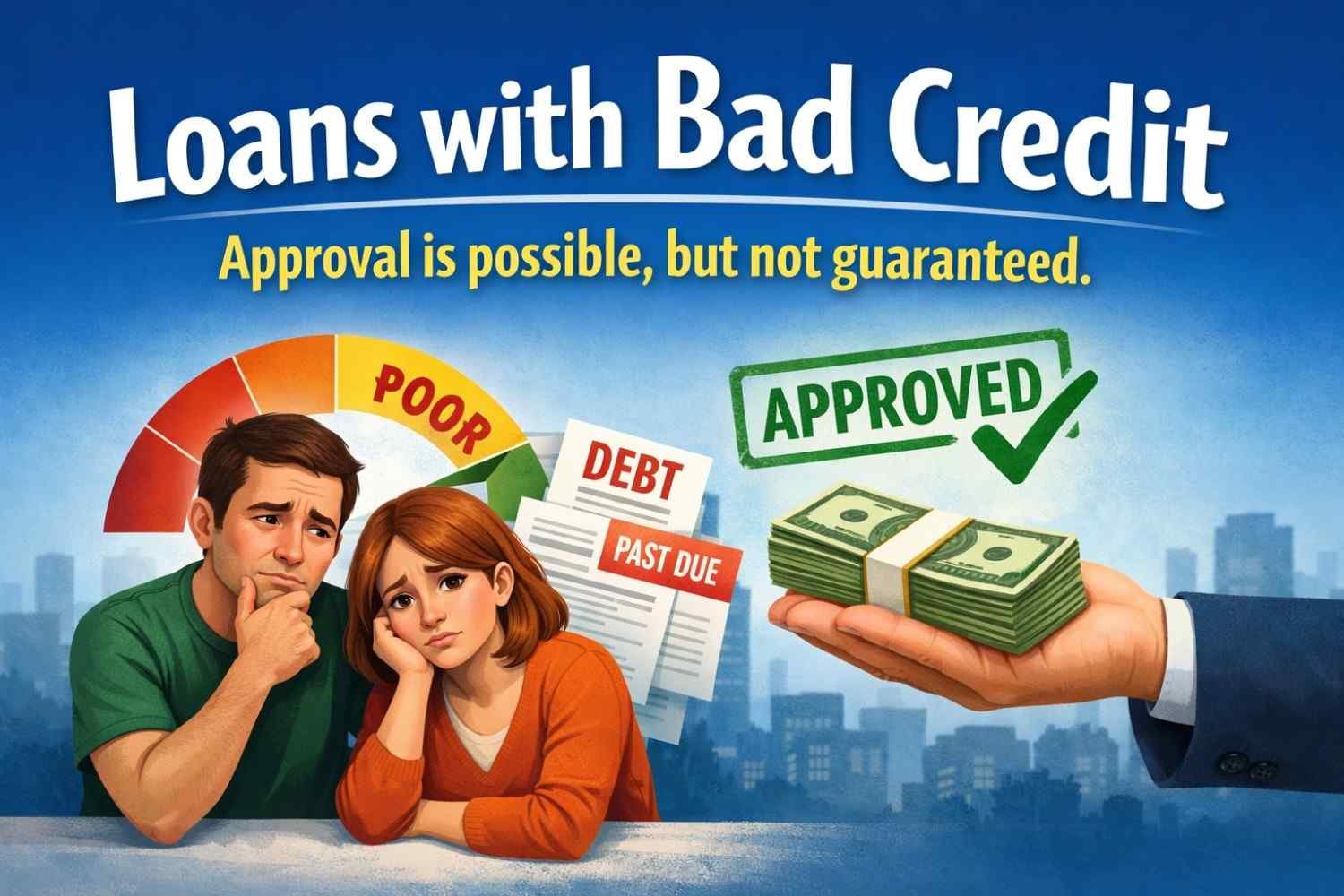
In doorstep loans, the agent shows up at your door, gives you cash, and comes weekly to claim some money. This service is beneficial to thousands of families that are unable to receive bank loans because of poor credit or a lack of a clean credit history.
The majority of loans are adequate to repair your vehicle or acquire a broken fridge. You make regular payments (pay a certain sum each week) until you have finished the loan. It is your choice whether the high prices suit your need for urgency.
What Is Doorstep Lending?
A loan agent comes to your home, sits at your kitchen table, and hands you cash. You don't need to visit any banks or fill out complex forms. The agent will come every week to accept your payment, and a friendly relationship usually forms.
The cost of most doorstep loans is between €100 and €1000. This would be ideal when you need money immediately, such as when you need to repair your fridge or make an unexpected payment. The loans run for 20 to 52 weeks. You pay the same amount each week until it's done.
The doorstep lenders don't demand that you have a bank account. This helps many people who can't get mainstream banking. The industry calls this "home credit" or "home collected credit," but most people know it as doorstep lending.
- Agents often work in your local area and know the community well
- No internet or smartphone needed to manage your loan
- Face-to-face service builds trust between lender and borrower
- Many agents offer flexible timing for their weekly visits
The Pros of Doorstep Lending
Easy Access for All Credit Types
Your past money troubles don't always matter here. Most doorstep loans like Provident skip the harsh credit checks that trip up so many people. Been turned down elsewhere? The lenders might still say yes.
You can still apply if you've had CCJs or missed payments before. The self-employed workers find welcome relief here, since irregular income scares off most banks. The doorstep lenders often approve your loan request even if you receive social welfare.
Convenience Factor
The agent comes to your house when it is convenient to you. You skip the bank queues and awkward office meetings entirely. The cash lands directly in your hands. Your agent returns each week on the same day. You always know when they'll knock on your door.
Fixed and Clear Costs
You'll know the total cost from day one. The agent tells you exactly how much you'll pay each week and for how long. Unlike credit cards with their changing interest rates, your payments stay the same. Most lenders even allow you to repay early without punishment in case of an improvement in your situation.
Flexible When Times Get Hard
Many doorstep lenders show understanding rather than immediate penalties. Your agent often knows your situation and can work with you. Instead of cold computer systems flagging your account, you talk directly with someone who knows you. There are even certain lenders permitting payment breaks during difficult periods.
The Cons of Doorstep Lending
You need to understand the heavy price you'll pay for convenience and easy approval before signing any agreement.
Very High Interest Rates
Doorstep loans charge eye-watering interest rates compared to mainstream options. APRs typically range from 100% to over 300%, making them among the most expensive legal credit available in Ireland.
Your €500 loan could cost you €750 or more to repay. You're giving back one and a half times what you borrowed. Credit unions often charge just a fraction of these rates for similar amounts.
Risk of Debt Spiral
Many doorstep borrowers fall into a dangerous cycle. The agent might offer to "roll it over" or start a new one when your loan nears its end.
You might borrow more to cover the old loan plus some extra cash. Soon, you've been paying for years with little progress. Some households maintain doorstep loans continuously for decades.
Privacy Concerns
Your neighbours observe when the same man comes on an assigned day. In many areas, everyone knows what a loan agent looks like. This can create embarrassment or stigma about your financial situation.
The weekly visits remove any privacy about your borrowing habits. If you start avoiding the collector, some agents become persistent or pushy. Some will even say your debt in front of people who can hear them.
Targets Vulnerable Groups
Critics point out that doorstep lenders focus their services on specific communities. Low-income households, single parents, and elderly people on fixed incomes make up much of their customer base.
These groups often have fewer financial options and less financial knowledge. Doorstep lending seems like the only solution when urgent needs arise.
Is Doorstep Lending Right for You?
Doorstep loans work best as a last resort for genuine emergencies. You always calculate the total you'll repay before signing. You can ask the agent to write down the full amount, not just the weekly payment. You can compare this with other options like credit unions or family loans, if possible.
Using doorstep loans like Provident to pay off other debts usually makes your situation worse. The high interest rates mean you'll end up owing even more. You can talk to MABS (Money Advice and Budgeting Service) if you're struggling with multiple debts. Their free advice helps thousands of people each year.
The Central Bank of Ireland sets rules that protect borrowers. The agents must be clear about costs and can't pressure you into borrowing more than you need. They must also assess whether you can afford the repayments without hardship.
- Consider how the weekly visits might affect your home routine
- Think about whether you could save up instead for non-urgent purchases
- Check if your employer offers salary advances for emergencies
- Ask yourself if you could manage with less than the amount offered
- Plan how you'll handle the repayments if your income suddenly drops
Conclusion
The doorstep lending bridges the no-answer gap by the banks. The weekly payment and service plan is very effective for many individuals. You may first consider all your possibilities. The direct lenders are usually good with better rates to offer, and the MABS gives free counsel on money problems.
You know the overall expense, and are planning your escape when you go off with a doorstep loan, leaving yourself nothing more than what you need. It all depends on your circumstances, but you should always prioritise your long-term wellbeing.