Cake boxes may seem simple, but their design and material choice have evolved to meet modern consumer demands. Next-generation buyers care about sustainability, durability, and aesthetics. Understanding the material science behind these boxes is key for brands targeting this market.
Sustainability and Eco-Friendly Materials
Modern buyers demand cake boxes that are environmentally responsible. Materials like recycled cardboard, biodegradable plastics, and plant-based coatings are now common. These options reduce waste and energy use during production. Brands that invest in sustainable materials often gain customer loyalty and positive brand recognition.
Sustainable cake boxes also address concerns about chemical contamination. Buyers are now aware of the chemicals used in traditional coatings, which can leach into food. Eco-friendly options like water-based inks and compostable liners ensure safety and appeal to health-conscious consumers.
Additionally, sustainability has become a marketing tool. Social media posts showcasing eco-conscious packaging resonate with younger buyers. They prefer sharing purchases that align with their values. Businesses producing custom cake boxes wholesale benefit from this trend because bulk orders for eco-friendly packaging are on the rise.
Sustainability in cake boxes also encourages circular economy practices. Recyclable boxes can be reused, and biodegradable boxes break down naturally, reducing landfill impact. This is important for cities with strict recycling policies. As awareness grows, companies adopting sustainable materials see a clear advantage in both sales and brand loyalty.
Durability and Structural Integrity
Durability is a primary concern for next-gen buyers. Cakes are delicate, and boxes must protect them during transport. Material science plays a key role in determining the strength of cardboard, corrugated layers, and folding techniques.
Corrugated cardboard is a popular choice because it offers high rigidity without adding weight. Reinforced edges and interlocking tabs prevent collapsing. Modern buyers expect these boxes to hold multi-tier cakes without bending or tearing.
Additionally, moisture resistance is important. Many boxes now use water-resistant coatings to prevent soggy layers or deformations from condensation. Buyers value these improvements because they reduce the risk of damaged cakes during delivery.
Consumers also consider the feel of the box. Smooth, sturdy surfaces give a sense of quality, while flimsy boxes suggest low-value products. Next-gen buyers are willing to pay more for boxes that combine strength with a premium finish.
Transparency and Visibility
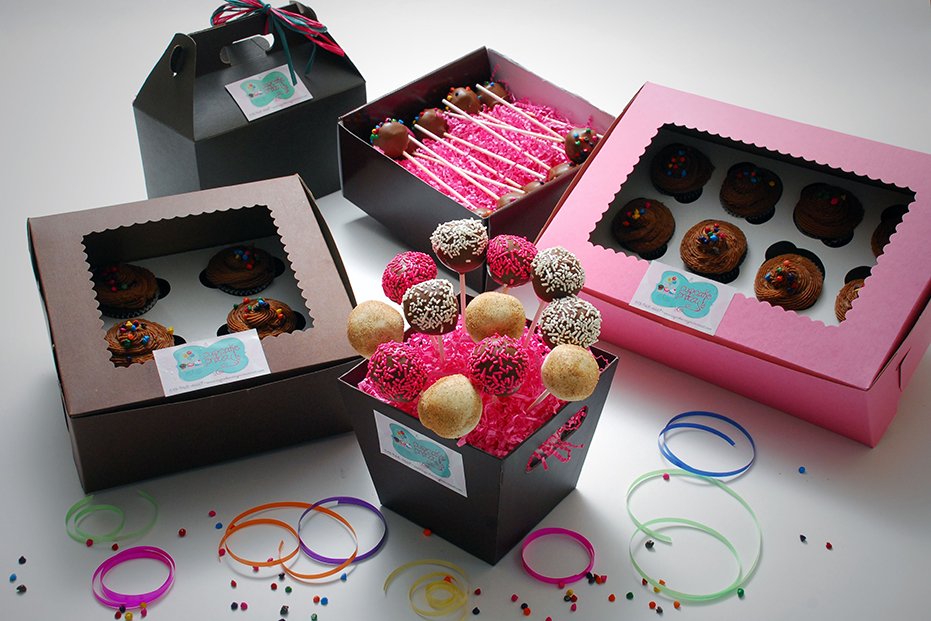
Clear windows and transparent panels have become a standard in cake packaging. Buyers enjoy seeing the product before opening it. This also helps sellers showcase their designs without extra handling.
Materials like PET or PLA plastics are used to create these windows. These plastics are lightweight and food-safe. The integration of transparency must not compromise durability. Engineers use layered cardboard with clear plastic inserts to maintain structural integrity.
Transparency also influences impulse purchases. Shoppers are more likely to select cakes they can see clearly. From a material science perspective, balancing clarity and strength is critical. Next-gen buyers now expect this feature as a standard rather than an optional add-on.
Thermal and Moisture Resistance
Temperature and moisture can affect the cake’s freshness and texture. Next-gen buyers often order online or through delivery apps, making resistance essential. Materials like wax-coated cardboard and laminated surfaces are effective at maintaining moisture balance.
Thermal insulation is another growing trend. Some boxes incorporate thin foam or corrugated layers to reduce heat transfer. This is especially important in warmer climates where cake frosting can melt during transport.
Moisture-resistant materials prevent soggy bottoms or warped sides. It ensures that buyers receive cakes as intended, enhancing the customer experience. Brands using advanced coatings signal quality and professionalism, attracting repeat customers.
Customization and Branding Options
Personalization has become a decisive factor for buyers. Modern consumers want packaging that reflects the occasion or brand identity. Material choice influences how well designs, colors, and logos appear on the box.
High-quality paper and cardboard allow for vibrant printing without smudging. Surface coatings can enhance durability while maintaining color fidelity. Embossing or foil stamping adds a premium feel.
Custom cake boxes wholesale are increasingly popular because businesses need uniform designs in bulk. Wholesale production ensures cost-effectiveness while allowing extensive customization. Buyers value the visual impact as much as functionality.
Lightweight Materials for Easy Handling
Modern buyers prefer lightweight yet sturdy boxes. Lightweight materials reduce shipping costs and make handling easier. Advanced corrugated cardboard, honeycomb paperboard, and hybrid materials provide strength without bulk.
Lightweight boxes are particularly appealing for home deliveries. They reduce the effort required to carry and handle cakes. Material science ensures that reducing weight does not compromise protection. Special attention is paid to edge reinforcements and structural folds.
Lightweight design also allows for stacking during transport. For bakeries and delivery services, this reduces damage and ensures cakes reach buyers intact. Buyers appreciate the ease of handling, making them more likely to purchase online or in bulk.
Safety and Food-Grade Standards
Food safety is paramount in cake packaging. Materials must meet strict regulations to prevent contamination. This includes using non-toxic inks, coatings, and adhesives. Next-gen buyers are particularly sensitive to these standards.
Material scientists test boxes for chemical leaching, microbial growth, and allergen risks. Buyers expect packaging to comply with national and international food safety guidelines. Food-grade certification enhances brand credibility and consumer confidence.
Moreover, tamper-evident seals and secure closures are now common. These features protect cakes from mishandling while reassuring buyers that the product is untouched and fresh. Safety-driven design is now a non-negotiable aspect of packaging.
Consumer Preferences and Market Trends
Next-gen buyers are guided by trends as much as functionality. They prefer minimalistic, eco-friendly designs with practical features. Social media influence has driven demand for visually appealing packaging.
Buyers now compare brands based on materials, sustainability, and aesthetic appeal. Interactive features like peel-off windows, inserts for candles, or compartments for decorations enhance experience. Material science supports these innovations by offering versatile substrates and coatings.
In addition, bulk orders for custom cake boxes wholesale are influenced by event planning and seasonal demand. Bakeries need designs that accommodate multiple occasions while maintaining high standards. Market research shows that buyers are willing to pay for packaging that aligns with modern lifestyle and environmental consciousness.
Innovation in Smart Packaging
Technology is now merging with traditional materials to create smart cake boxes. QR codes, temperature indicators, and freshness sensors are being integrated. Materials must support these features without compromising safety or durability.
Smart packaging appeals to tech-savvy buyers who value convenience and transparency. For example, boxes with moisture indicators alert the user if storage conditions are unsuitable. Advanced material engineering ensures these additions are durable, lightweight, and safe.
Innovation also encourages repeat business. Buyers are likely to remember brands offering convenience, safety, and sustainability in one package. Forward-thinking material science ensures that cake boxes evolve alongside changing consumer expectations.
Conclusion
The material science of cake boxes has advanced far beyond simple cardboard. Modern buyers now demand packaging that is sustainable, durable, safe, and visually appealing. Each feature, from moisture resistance to transparency, reflects careful material selection and engineering. Next-generation consumers value boxes that protect cakes, support eco-friendly practices, and enhance the overall experience.
Sustainability and food safety are no longer optional—they are expected. Durability, lightweight design, and customization allow bakeries to meet both practical and aesthetic needs. Smart features and innovative materials are further shaping the market, giving buyers confidence and convenience.
For businesses, understanding these material trends is essential. Investing in high-quality packaging, like custom cake boxes wholesale, ensures cakes reach customers intact while strengthening brand loyalty. Ultimately, the evolution of cake boxes demonstrates how thoughtful material choices can satisfy modern expectations and drive industry growth.
Visit Our Website: https://ibexpackaging.com/custom-cake-boxes/