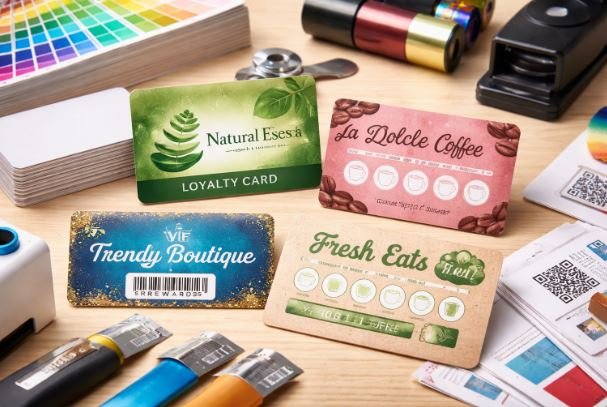
In today’s competitive marketplace, small businesses face constant pressure from large chains, online retailers, and discount-driven competitors. Standing out is no longer just about offering a good product or service; it’s about building lasting relationships with customers. One of the most effective yet often overlooked tools for strengthening those relationships is loyalty card printing. A well-designed loyalty card program can transform occasional shoppers into regular customers and regular customers into enthusiastic brand advocates.
Loyalty card printing London is more than just producing small pieces of cardstock with stamps or barcodes. It is a strategic investment in customer retention, brand visibility, and long-term growth. For small businesses operating on tight budgets, it can be a powerful and cost-effective marketing tool.
Building Stronger Customer Relationships
Customer loyalty does not happen by accident. It is built over time through positive experiences, trust, and consistent engagement. Printed loyalty cards serve as a tangible reminder of the connection between a business and its customers. Unlike digital ads or social media posts that can be easily ignored, a physical card placed in a wallet or purse stays with the customer and acts as a constant prompt to return.
When customers receive a loyalty card, they feel recognized and appreciated. The simple act of offering rewards for repeat visits sends a clear message: their business matters. This sense of appreciation builds emotional loyalty, which is far more valuable than transactional loyalty based solely on discounts.
For example, small coffee shops and local cafés have long used printed stamp cards to reward frequent visitors. While global chains like Starbucks have sophisticated digital loyalty apps, many independent cafés thrive using printed cards because they create a personal, community-oriented feel that customers genuinely value.
Encouraging Repeat Business
Acquiring a new customer can cost significantly more than retaining an existing one. For small businesses, repeat customers are the backbone of consistent revenue. Loyalty cards create an incentive structure that motivates customers to come back again and again.
When customers are close to earning a reward, such as a free item or discount, they are more likely to choose your business over a competitor. The psychological principle behind this is known as the “goal gradient effect,” where people increase their effort as they approach a reward. A card with visible progress, such as stamps or punch holes, reinforces that motivation in a way that feels immediate and satisfying.
Consider a local bakery that offers a free pastry after ten purchases. Each stamp brings the customer closer to a tangible benefit. This visible progress encourages frequent visits, increasing overall sales volume. Over time, this consistent foot traffic stabilizes revenue and strengthens the business’s financial foundation.
Cost-Effective Marketing Strategy
Small businesses often operate with limited marketing budgets. Digital advertising campaigns, sponsored social media posts, and search engine marketing can quickly become expensive. Loyalty card printing, on the other hand, requires a relatively small upfront investment but delivers long-term returns.
The cost of designing and printing cards is modest compared to many other marketing strategies. Yet the impact can be significant because it directly influences purchasing behavior. Unlike one-time promotions, loyalty cards continuously drive repeat transactions until the card is completed.
Furthermore, loyalty cards act as miniature advertisements. Every time a customer pulls out their wallet and sees your card, they are reminded of your brand. It reinforces brand recall without ongoing advertising costs.
Enhancing Brand Identity
Printed loyalty cards are not just functional tools; they are branding assets. The design, color scheme, typography, and logo placement all contribute to the overall perception of your business. A professionally printed card conveys credibility and attention to detail.
For small businesses competing with established brands like Amazon, maintaining a strong and recognizable brand identity is essential. While small businesses may not have the technological infrastructure of major corporations, they can compete effectively through personalized customer experiences and cohesive branding. A well-crafted loyalty card reinforces that brand identity every time it is used.
Design elements can align with store décor, packaging, and marketing materials to create a seamless visual experience. When customers recognize consistent branding across multiple touchpoints, it strengthens trust and professionalism.
Collecting Valuable Customer Insights
Although printed loyalty cards are simple, they can still provide valuable insights into customer behavior. By tracking redeemed cards or using basic numbering systems, small businesses can measure repeat purchase patterns and identify their most loyal customers.
Even without advanced digital systems, business owners can observe trends such as how long it takes customers to complete a card or which promotions drive faster participation. This information can guide future marketing decisions and promotional strategies.
Some small businesses also combine printed cards with optional sign-up sheets to collect contact information for newsletters or special offers. This hybrid approach blends traditional printing with modern marketing tactics, giving small businesses the best of both worlds.
Standing Out in a Digital-Heavy World
In an age dominated by apps, emails, and online promotions, physical loyalty cards offer a refreshing contrast. Many consumers experience digital fatigue due to constant notifications and promotional messages. A simple printed card feels more personal and less intrusive.
While large corporations invest heavily in app-based loyalty programs, smaller businesses can use printed cards to create a more intimate customer experience. The tactile nature of a physical card fosters a sense of connection that digital alternatives sometimes lack.
For example, neighborhood retailers that cannot compete with the technological capabilities of brands like Walmart can still build loyal customer bases through personal service and thoughtful rewards programs. The physical exchange of stamping a card during checkout often becomes a friendly ritual that strengthens relationships.
Increasing Word-of-Mouth Referrals
Loyalty cards can also spark conversations. Customers may show their partially completed cards to friends or family, indirectly promoting your business. When someone earns a reward and shares their experience, it reinforces positive word-of-mouth marketing.
Small businesses rely heavily on community support and referrals. A loyalty card program that consistently delivers value encourages customers to recommend your business to others. In many cases, a recommendation from a trusted friend carries far more influence than paid advertising.
Additionally, some businesses incorporate referral incentives into their printed loyalty programs, offering bonus stamps when customers bring in new patrons. This strategy expands the customer base while rewarding existing supporters.
Supporting Long-Term Business Growth
Sustainable growth for small businesses depends on stable customer relationships. Loyalty card printing is not just a short-term promotional tactic; it is a long-term retention strategy. By rewarding consistency and fostering trust, small businesses create predictable revenue streams that support expansion and innovation.
As businesses grow, loyalty programs can evolve. What begins as a simple punch card system can eventually expand into more sophisticated tracking methods or hybrid digital options. However, the foundation of customer appreciation remains the same.
Loyalty card printing offers a practical entry point into customer retention marketing without requiring complex technology or significant financial risk. It empowers small businesses to compete effectively, build meaningful relationships, and encourage repeat patronage.
Conclusion
The importance of loyalty card printing for small businesses cannot be overstated. In a marketplace filled with digital noise and aggressive competition, printed loyalty cards provide a simple yet powerful way to foster customer retention, enhance brand identity, and drive repeat business. They are affordable, effective, and adaptable to virtually any industry.
For small business owners seeking sustainable growth, loyalty cards represent more than just printed materials. They symbolize appreciation, trust, and long-term commitment to customers. By investing in loyalty card printing, small businesses lay the groundwork for stronger relationships, increased revenue, and enduring success.
Tags : Loyalty Card Printing