The Evolution of Electrical Substation Design in the Smart Era
By Keentel Engineering 17-03-2026 410
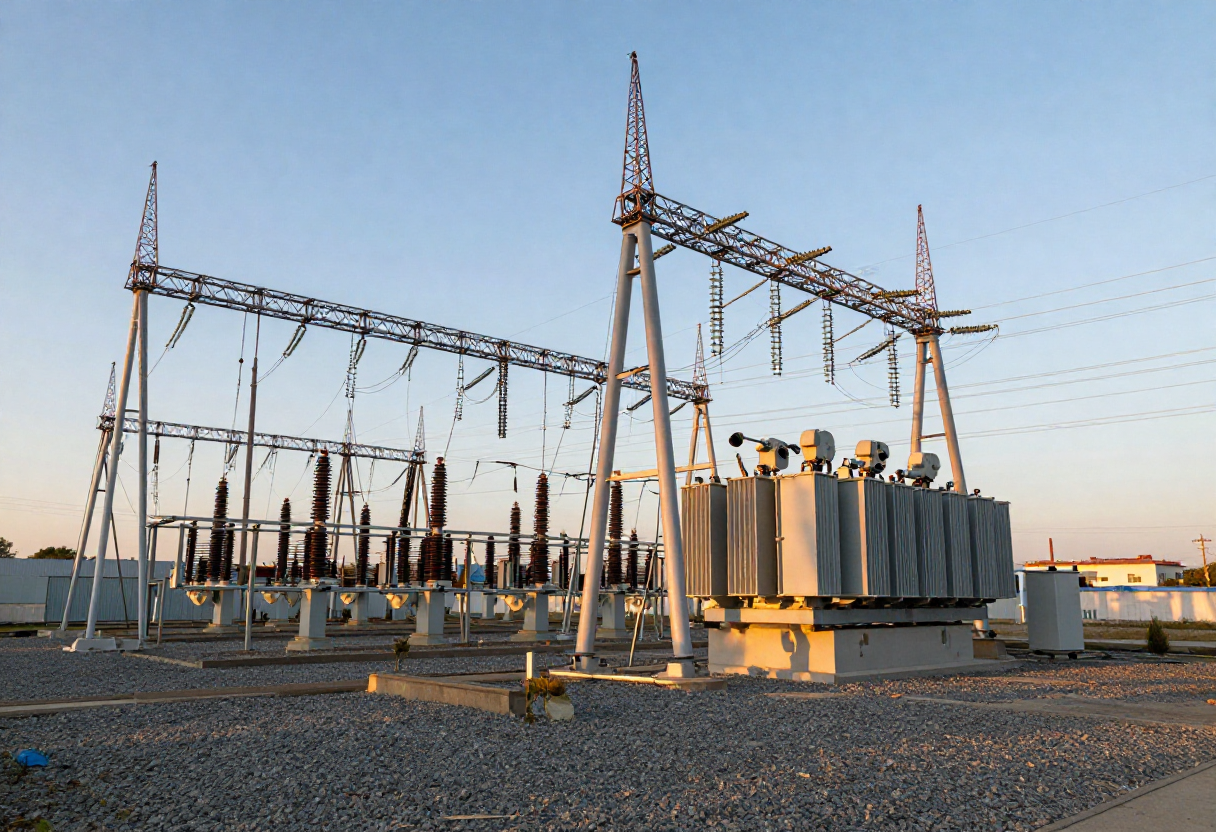
The power industry is undergoing a major transformation, and substations are at the center of this evolution. Traditionally, substations were built with conventional layouts and manual monitoring systems. Today, however, advancements in digitalization and automation are redefining how engineers approach electrical substation design, making systems more intelligent, efficient, and adaptable.
For companies like Keentel Engineering, staying ahead in this transformation means embracing innovation while maintaining reliability. Let’s explore how smart technology is reshaping modern substation engineering design and what it means for the future.
1. From Conventional to Digital Substations
One of the biggest shifts in electrical substation design is the transition from traditional systems to digital substations. Conventional substations rely heavily on copper wiring and physical connections for control and monitoring. In contrast, digital substations use fiber-optic communication and intelligent electronic devices (IEDs).
This transformation offers several benefits:
Reduced wiring complexity
Faster data transmission
Improved accuracy and real-time monitoring
Digital substations also enable seamless integration with centralized control systems, allowing operators to monitor performance remotely. This level of visibility significantly improves operational efficiency and reduces downtime.
2. Integration of Smart Sensors and IoT
The rise of the Internet of Things (IoT) has brought a new level of intelligence to substation engineering design. Smart sensors are now embedded across equipment such as transformers, circuit breakers, and busbars.
These sensors continuously collect data on:
Temperature
Load conditions
Equipment health
Environmental factors
By analyzing this data, engineers can detect potential issues before they lead to failures. This predictive maintenance approach reduces operational costs and enhances system reliability.
For modern substation civil engineering design, this also means planning infrastructure that supports sensor networks, communication systems, and secure data pathways.
3. Advanced Automation and Control Systems
Automation is another key driver in the evolution of substations. Modern substations are no longer dependent on manual switching and monitoring. Instead, automated control systems can manage operations in real time.
Key advancements include:
Automated fault detection and isolation
Self-healing grid capabilities
Remote operation and control
These features allow substations to respond instantly to faults, minimizing outages and improving service continuity. Automation also reduces human error, making systems safer and more reliable.
As a result, engineers must now incorporate advanced control architectures into their electrical substation design, ensuring compatibility with automation technologies.
4. Cybersecurity in Smart Substations
With increased connectivity comes the need for robust cybersecurity measures. Smart substations rely on digital communication networks, making them vulnerable to cyber threats.
Modern substation engineering design must address:
Secure communication protocols
Network segmentation
Real-time threat monitoring
Access control systems
Cybersecurity is no longer optional—it is a critical component of substation design. Engineers must work closely with IT specialists to ensure that systems are protected against unauthorized access and data breaches.
5. Sustainable and Space-Efficient Designs
Smart technology is also driving sustainability in substation civil engineering design. With urban areas expanding, there is a growing need for compact and environmentally friendly substations.
Innovations include:
Gas-insulated substations (GIS) for reduced footprint
Energy-efficient equipment
Integration of renewable energy sources
Eco-friendly construction materials
These advancements not only reduce environmental impact but also optimize land use, especially in densely populated areas.
Additionally, smart systems enable better energy management, helping utilities reduce losses and improve overall efficiency.
6. Data-Driven Decision Making
Data is becoming one of the most valuable assets in modern substations. Smart technology enables continuous data collection and analysis, providing insights that were previously unavailable.
With advanced analytics, engineers can:
Optimize load distribution
Improve asset management
Forecast demand more accurately
Enhance system performance
This data-driven approach is transforming how decisions are made in electrical substation design. Instead of relying solely on experience, engineers now use real-time data to make informed choices.
The Future of Substation Engineering
The evolution of substation design is far from over. Emerging technologies such as artificial intelligence, machine learning, and digital twins are expected to play a significant role in the next phase of development.
Future trends may include:
Fully autonomous substations
AI-driven fault prediction
Virtual simulation models for design optimization
Greater integration with smart grids
For engineering firms, adapting to these changes is essential. The future of substation engineering design lies in combining traditional engineering expertise with cutting-edge technology.
Conclusion
Smart technology is revolutionizing the way substations are designed, built, and operated. From digital systems and IoT integration to automation and cybersecurity, every aspect of electrical substation design is evolving.
At the same time, innovations in substation civil engineering design are making substations more sustainable, compact, and efficient. By embracing these advancements, engineering firms can deliver smarter, safer, and more reliable power infrastructure.
As the energy landscape continues to evolve, one thing is clear: the substations of tomorrow will be smarter, more connected, and more capable than ever before.