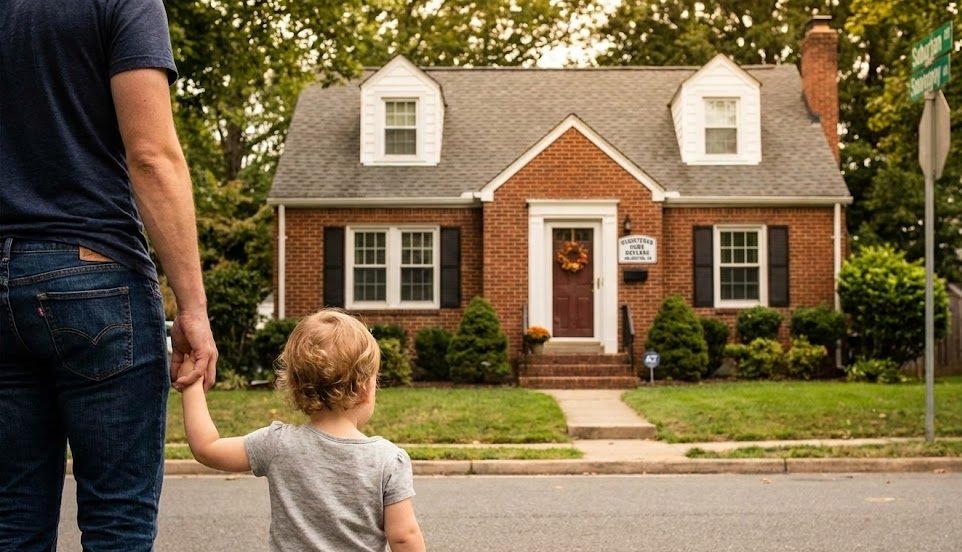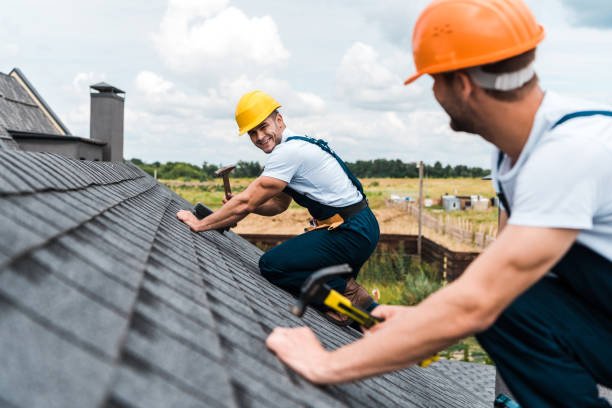
The home serves as a sanctuary. It is a place of comfort, family, and safety. While many homeowners focus their energy on interior aesthetics like paint colors, kitchen cabinets, or flooring updates, the structural integrity of the house relies almost entirely on the system sitting above it. The roof is the unsung hero of residential architecture. It endures the blistering heat of the sun, the driving force of rain, and the persistent wear of the wind. Despite its critical function, it often receives the least amount of attention until a crisis emerges. Understanding the complexities of roofing is essential for any property owner who wishes to preserve the value and safety of their investment.
A roof is far more than a simple covering. It is a sophisticated engineering system designed to manage water, control airflow, and insulate the living space. When this system functions correctly, the home remains dry and energy efficient. When it fails, the consequences can be catastrophic. Water intrusion can lead to mold growth, rot in the structural framing, and significant damage to personal property. Therefore, the decision to repair or replace a roof is not merely a cosmetic choice. It is a fundamental act of home stewardship.
The Impact of Local Climate on Roofing Materials
Every geographic region presents a unique set of challenges for construction materials. A roof that performs exceptionally well in a snowy climate may fail prematurely in a desert environment. This is why local knowledge is indispensable when selecting roofing materials. In areas with high sun exposure, ultraviolet radiation is the primary enemy. The sun acts as a relentless force that dries out asphalt shingles, causing them to lose their flexibility and eventually crack. This thermal shock, caused by the rapid expansion and contraction of materials as temperatures fluctuate between day and night, can compromise the seal of the roof over time.
For homeowners in California and similar climates, the choice of material is critical. Clay and concrete tiles are popular not just for their aesthetic appeal but for their durability against heat. They provide a thermal mass that helps regulate indoor temperatures. However, they are heavy and require a reinforced roof deck. Asphalt shingles remain a versatile and cost effective option, but modern advancements have introduced "cool roof" technology. These shingles are designed with reflective granules that bounce sunlight away from the home, reducing heat absorption and lowering cooling costs during the summer months.
The Hidden Science of Ventilation
One of the most misunderstood aspects of roofing is ventilation. Many homeowners assume that a tightly sealed roof is the best roof. In reality, a roof needs to breathe. Without proper airflow, the attic becomes a furnace. Heat builds up in the enclosed space, cooking the shingles from the underside and shortening their lifespan significantly. Furthermore, in cooler months, warm, moist air from the home can rise into the attic. If this moisture cannot escape, it condenses on the wood, leading to rot and the proliferation of mold.
A professional roofing system balances intake vents, usually located under the eaves, with exhaust vents at the peak. This creates a continuous flow of air that keeps the attic temperature closer to the outside temperature. This equilibrium prevents ice dams in winter and reduces the load on air conditioning systems in summer. Addressing ventilation is a standard part of any high quality roofing project, yet it is often overlooked by amateur installers.
The Risks of Deferred Maintenance
The "wait and see" approach is a dangerous strategy when it comes to roofing. Small issues rarely remain small for long. A single missing shingle might seem insignificant, but it exposes the underlayment to the elements. The sun degrades this waterproof barrier, and the next rainstorm finds a path into the decking. By the time a water stain appears on the living room ceiling, the water has likely traveled a significant distance from the original leak source, soaking insulation and drywall along the way.
Routine inspections are the antidote to these surprise expenses. A professional roofer can identify warning signs that are invisible to the untrained eye. They look for granular loss on shingles, cracked flashing around chimneys, and dried out caulk seals on plumbing vents. Catching these minor defects early can extend the life of the roof by years and save thousands of dollars in premature replacement costs. It turns an emergency expense into a manageable maintenance item.
Navigating the Selection of a Contractor
The construction industry is flooded with options, but finding a partner with integrity and expertise requires diligence. A roof is a significant financial outlay, and the quality of the installation is just as important as the quality of the materials. The best materials in the world will fail if they are nailed incorrectly or if the flashing is applied sloppily.
Trustworthy contractors prioritize transparency. They provide detailed written estimates that break down the costs of labor, materials, and permits. They explain the warranty coverage, not just for the shingles but for their workmanship. They are licensed and insured, protecting the homeowner from liability in the event of an accident.
For residents seeking a partner who understands the specific architectural and environmental needs of the region, Edison California Roofing stands out as a premier choice. Their commitment to excellence ensures that every project is handled with precision. From the initial inspection to the final cleanup, they focus on delivering a result that combines durability with aesthetic beauty. Choosing an established local expert guarantees that the roof is built to withstand local weather patterns and adheres to all regional building codes.
Energy Efficiency and Long Term Savings
In the modern era, a roof is a key player in the energy efficiency of a home. As energy costs continue to rise, homeowners are looking for ways to reduce their carbon footprint and their monthly bills. The roof is the largest surface area exposed to the sun, making it the primary source of heat gain in a building.
Investing in energy efficient roofing materials can yield a substantial return on investment. Cool roofs, which reflect more sunlight and absorb less heat, can lower the roof surface temperature by up to 50 degrees. This reduction transfers directly to the interior, allowing the HVAC system to run less frequently. Additionally, upgrading the insulation in the attic during a roof replacement further fortifies the thermal envelope of the house. These improvements not only save money but also increase the resale value of the property. Prospective buyers are increasingly savvy about energy performance, and a new, efficient roof is a major selling point.
The Value of Aesthetic Appeal
While function is paramount, the form cannot be ignored. The roof makes up a large percentage of the visible exterior of a home. It contributes significantly to curb appeal. A worn, faded, or patchworked roof drags down the visual quality of the entire property, regardless of how well manicured the landscaping is.
Modern roofing offers a vast array of design choices. Architectural shingles can mimic the look of slate or wood shake at a fraction of the cost. Metal roofing provides a sleek, contemporary look that is incredibly long lasting. Concrete tiles offer a timeless, Mediterranean elegance. A professional contractor can help homeowners navigate these aesthetic choices, finding a style that complements the architecture of the house while meeting the budget and performance requirements.
Conclusion
The roof is the guardian of the home. It protects the people and possessions inside from the unpredictability of nature. Neglecting this vital system is a gamble that no homeowner should take. By prioritizing regular maintenance, understanding the importance of materials and ventilation, and partnering with qualified professionals, property owners can ensure their home remains safe and secure for decades.
Investing in quality roofing is investing in peace of mind. It is the assurance that when the storm clouds gather, your home is ready. It is the comfort of a consistent indoor climate. It is the confidence that your property value is preserved. Whether you are building a new home or restoring an old one, give the roof the attention it deserves. It is the shield that makes a house a home.
Tags : .....