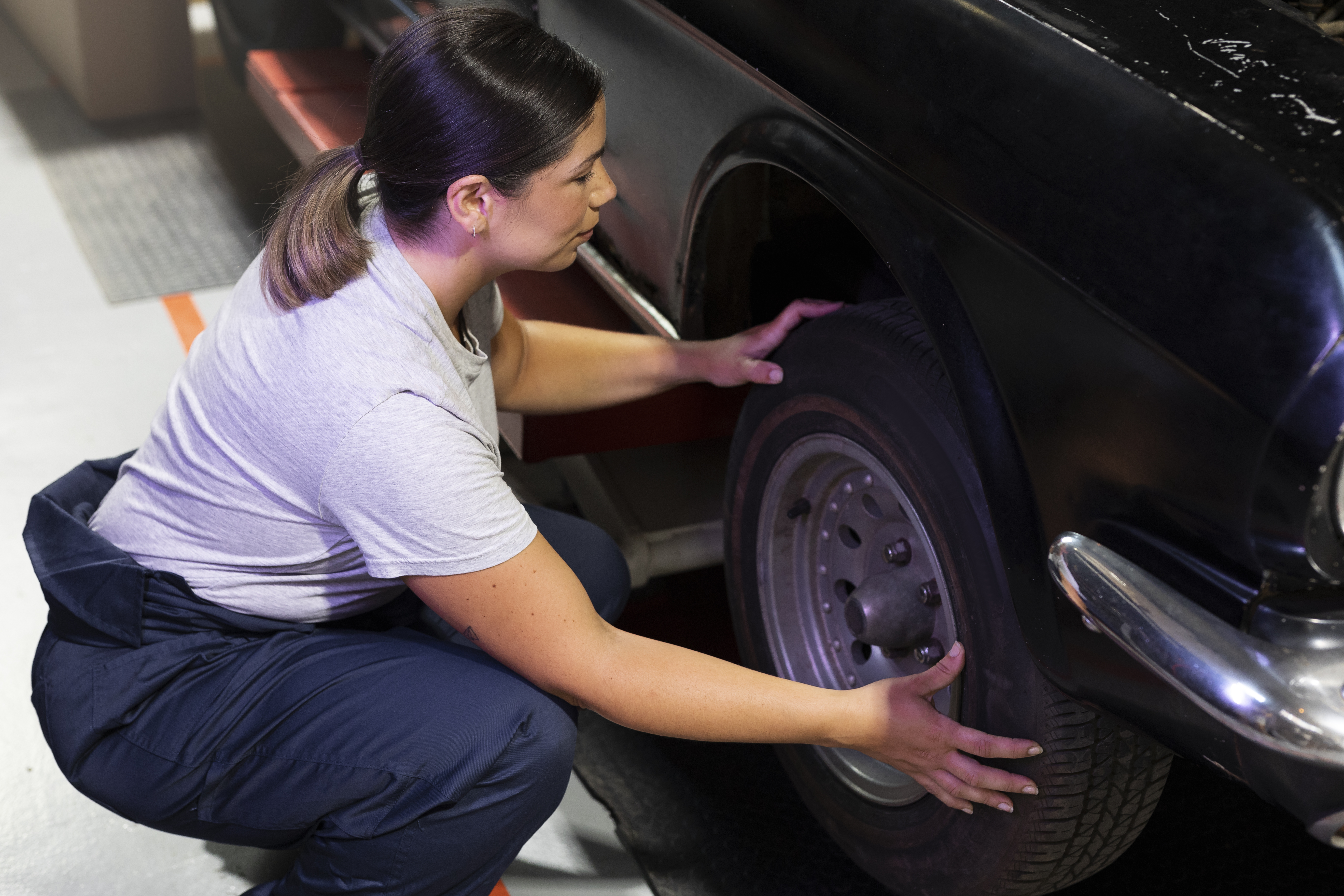
Ever noticed those unsightly scratches on your alloys after a tight parking spot? Or perhaps you've spotted some corrosion creeping across your once-pristine rims? You're definitely not alone. Wheel damage is one of those frustrating realities that every car owner faces at some point, and it can really take the shine off an otherwise beautiful vehicle.
Here’s the good news: you don’t necessarily need to shell out for brand new wheels every time they cop some damage. Wheel refinishing has become increasingly popular among Australian car owners who want to restore their rims without breaking the bank. Whether you’re dealing with minor curb rash or more serious cosmetic wear, wheel refinishing offers options to suit every budget and skill level.
In this guide, we’ll walk you through everything you need to know about wheel refinishing. From understanding the different types of damage to exploring DIY rim repair versus professional services, we’ve got you covered. You’ll learn how to repair curb rash on wheels, discover the essential alloy wheel repair tools you’ll need, and find out what to expect from refurbished auto wheels. By the end, you’ll be equipped with the knowledge to make informed decisions about keeping your wheels looking their absolute best.
Understanding Wheel Damage: Common Types and Causes
Before you can figure out how to repair wheels effectively, you need to understand what you're dealing with. Different types of damage require different approaches, and knowing the cause can help prevent future issues.
Curb Rash and Scuffed Alloy Wheels
Let's be honest—kerb rash happens to the best of us. One moment of misjudging a tight turn or parking space, and suddenly your alloy has that telltale scrape. Scuffed alloy wheel repair is one of the most common requests at refinishing shops across Australia. These surface-level scratches might not affect your wheel's performance, but they certainly impact its appearance and can lower your car's resale value.
Dents, Buckled Rims, and Corrosion
More serious damage includes dents and buckled rims, often caused by hitting potholes at speed or mounting kerbs too aggressively. These issues can affect your vehicle's handling and should be addressed promptly. Meanwhile, corrosion and oxidation tend to develop over time, particularly in coastal areas where salt air accelerates the process. Cosmetic wear and fading are also common, especially on older vehicles exposed to the harsh Australian sun.
How to Repair Wheels: Professional vs DIY Options
When it comes to restoring your wheels, you've essentially got two paths: tackling the job yourself or calling in the professionals. Both have their merits, and the right choice depends on your situation.
When to Choose Professional Wheel Refinishing
Professional services are your best bet for significant damage like deep scratches, cracks, or structural issues. Experts have access to specialised equipment and can deliver high-quality wheel refinishing while matching factory finishes precisely. If you're after a flawless result or your wheels have sentimental value, it's worth investing in professional cosmetic wheel repair and wheel refinishing services.
Is DIY Rim Repair Right for You?
On the other hand, DIY rim repair can be incredibly satisfying and cost-effective for minor damage. If you're reasonably handy and dealing with surface scratches or light scuffs, a weekend project might be all you need. Just be realistic about your skills—botched repairs can end up costing more to fix professionally than the original damage would have.
How to Repair Curb Rash on Wheels: A Step-by-Step Guide
Ready to tackle that kerb rash yourself? Here's what you need to know about the process.
Assessing the Damage and Gathering Your Tools
First up, give your wheel a thorough inspection. Clean it properly and examine the damage in good lighting. Is it just surface scuffing, or are there deeper gouges? This assessment determines your approach. For your alloy wheel repair tools, you'll need sandpaper in multiple grits (80 to 2000), filler putty designed for alloys, primer, colour-matched paint, and clear coat. A Wheel Buddy or similar tool can make the sanding process much easier.
The Cosmetic Wheel Repair Process
Start by sanding the damaged area with coarse grit to remove loose material and create a smooth surface. Apply filler to any gouges, let it cure, then sand it smooth. Work through progressively finer grits until the surface is perfectly even. Next, apply primer, followed by your paint in thin, even coats. Multiple light coats give better results than one thick application.
Finishing and Protecting Your Repair
Once the paint has dried completely, apply clear coat to protect your work and add that factory-fresh shine. Allow adequate curing time before driving—rushing this step can ruin all your hard work. A quality wax or sealant adds extra protection against future damage.
How to Remove a Dent from an Alloy Wheel
Dented alloys present a trickier challenge than surface scratches. Understanding your options here is crucial.
Can You Fix a Dented Alloy Wheel at Home?
The honest answer? It depends on the severity. Minor dents on the outer lip might be manageable with careful work using a rubber mallet and proper technique. However, if you're wondering how to remove dent from alloy wheel safely, the reality is that significant dents require professional attention. Alloy wheels can crack if not handled correctly, creating a safety hazard.
Professional Dent Removal Techniques
Professionals use hydraulic presses and specialised equipment to reshape bent alloys without compromising structural integrity. They can also check for hairline cracks that might not be visible to the untrained eye. For anything more than a minor lip dent, the smart money is on professional repair.
How to Repair Damaged Rims: Beyond Surface Scratches
Sometimes wheel damage goes deeper than cosmetic concerns. Knowing how to repair damaged rims—or when to leave it to the experts—keeps you safe on the road.
Scuffed Alloy Wheel Repair Methods
For moderate scuffing that affects larger areas, you might need to refinish the entire wheel face rather than spot-repairing. This approach ensures a consistent finish and better durability. The process is similar to kerb rash repair but on a larger scale, requiring more materials and time.
Dealing with Cracked or Bent Rims
Here's where we need to be absolutely clear: cracked wheels should be replaced, full stop. No amount of repair can safely restore a cracked alloy to roadworthy condition. Bent rims might be salvageable depending on the severity, but always have them inspected by a professional before continuing to drive on them.
Keeping Your Wheels in Top Shape
Looking after your wheels doesn’t have to be complicated or expensive. With the knowledge you’ve gained from this guide, you’re now equipped to assess damage, explore wheel refinishing options, decide between DIY and professional repair, and maintain your wheels properly.
The key takeaway? Address damage promptly before it worsens. Minor scuffs are easy and affordable to fix with basic wheel refinishing techniques, but neglected damage can escalate into costly problems. Regular cleaning and inspection help catch issues early, and a bit of preventative care goes a long way.
Whether you decide to grab your alloy wheel repair tools and tackle a weekend wheel refinishing project or book in with a trusted professional for expert wheel refinishing, your wheels can absolutely look fantastic again. Don’t let kerb rash or corrosion drag down your car’s appearance. Take action and enjoy driving on wheels you’re proud of.
Tags : wheel refinishing melbourne