The Complete Guide to Transgender Hair Transplants: Scalp, Beard, and Body Hair Restoration
By Zmdhair 04-12-2025 50
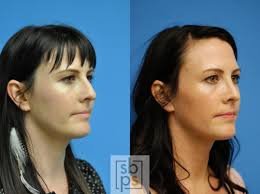
Hair plays a crucial role in self-expression and identity, especially for transgender individuals undergoing gender transition. Achieving a natural hairline or enhancing body and facial hair can significantly boost confidence and overall well-being. In recent years, advancements in surgical techniques, including robotic hair surgery, have made hair restoration procedures safer, more precise, and tailored to the unique needs of transgender patients. This comprehensive guide will cover everything you need to know about transgender hair transplants, from scalp restoration to beard and body hair enhancement.
Understanding Transgender Hair Transplants
A transgender hair transplant is a specialized surgical procedure aimed at restoring hair in areas that are culturally or personally significant to a patient’s gender identity. Unlike standard hair restoration procedures, these surgeries require careful planning to match the patient’s desired hairline, density, and growth pattern while accounting for hormonal treatments, skin type, and facial structure.
Transgender hair transplants are commonly performed on three main areas:
Scalp Hair – For feminization or masculinization of the hairline.
Beard and Facial Hair – For individuals transitioning from female to male who seek a fuller beard or mustache.
Body Hair – Including chest, arms, and pubic areas, often used in gender affirmation procedures.
Each procedure is highly individualized, making consultation with an experienced hair restoration surgeon essential.
Scalp Hair Transplant for Transgender Patients
Scalp hair restoration is the most common type of transgender hair transplant. The goal is to create a natural hairline that complements facial features and aligns with gender identity.
Feminization Hairline
For transgender women, the hairline is typically lowered and rounded at the temples to create a softer, more feminine appearance. Hair density may also be adjusted to achieve a natural look.
Masculinization Hairline
Transgender men often aim for a strong, straight hairline with defined temples to enhance a masculine appearance. Beard and body hair restoration may complement scalp procedures to achieve overall facial masculinization.
Techniques Used
The two primary surgical techniques for scalp hair restoration are:
FUT (Follicular Unit Transplantation) – Involves removing a strip of scalp from the back of the head, dissecting it into individual grafts, and transplanting them to the desired area.
FUE (Follicular Unit Extraction) – Individual hair follicles are harvested from the donor area and transplanted to the recipient site. This method leaves minimal scarring and has a shorter recovery time.
Increasingly, robotic hair surgery is being used for FUE procedures. This technology provides precise follicle extraction, reduces trauma to surrounding tissue, and increases graft survival rates. Robotic systems also allow for more consistent density and natural-looking results.
Beard and Facial Hair Transplant
Facial hair plays a vital role in masculinization for transgender men. However, many individuals experience sparse or patchy growth due to genetics or hormonal therapy. Beard and mustache transplants involve harvesting hair from a donor site, typically the scalp, and transplanting it to the facial region.
Key Considerations
Hair Direction and Angle: Proper placement is critical for natural growth patterns.
Density: Achieving an even and full appearance requires careful planning and often multiple sessions.
Recovery: Swelling and redness are common but typically resolve within a few days.
Robotic hair surgery can be particularly advantageous for facial hair transplants, as it ensures precision in follicle placement and consistent density across the beard or mustache.
Body Hair Transplantation
Some transgender individuals may choose to enhance hair on the chest, arms, or other body areas. Body hair transplantation is often performed for masculinization, helping individuals achieve a more traditionally male appearance.
Procedure Details
Hair follicles are typically harvested from the scalp or other body areas.
Transplantation follows similar principles to scalp and facial procedures, ensuring natural direction and density.
Recovery times may vary depending on the area treated, but results typically become visible after several months.
Preparing for a Transgender Hair Transplant
Proper preparation is essential for optimal outcomes. Patients should:
Consult a Specialist: Experienced surgeons understand the unique challenges of transgender hair restoration.
Review Hormonal Status: Hormones can impact hair growth patterns and density.
Discuss Expectations: Realistic expectations ensure patient satisfaction and confidence.
Follow Pre-Op Guidelines: Avoid certain medications, smoking, and alcohol to minimize complications.
Recovery and Aftercare
Recovery after a transgender hair transplant is relatively straightforward, though it requires careful adherence to post-operative instructions:
Initial Healing: Redness, swelling, and mild discomfort are common in the first week.
Hair Shedding: Transplanted hair may shed within the first few weeks before new growth begins.
Long-Term Growth: Full results typically appear between 6 and 12 months after surgery.
Follow-Up Care: Regular check-ups with your surgeon ensure optimal results and address any concerns.
Using robotic hair surgery can reduce recovery time and improve graft survival, enhancing the overall success of the procedure.
Choosing the Right Surgeon
Selecting a skilled surgeon with experience in transgender hair transplants is critical. Factors to consider include:
Specialization in Transgender Hair Restoration: Surgeons familiar with gender-specific hairlines and patterns provide more natural results.
Use of Advanced Technology: Clinics offering robotic hair surgery can improve precision and outcomes.
Patient Reviews and Before/After Photos: Reviewing previous work provides insight into the surgeon’s capabilities.
Comprehensive Consultation: A thorough evaluation ensures a personalized treatment plan.
Cost Considerations
The cost of transgender hair transplants varies widely depending on the area treated, technique used, and number of grafts requigered. Robotic hair surry may increase the cost due to advanced technology, but it often results in better outcomes and higher patient satisfaction. Insurance coverage is typically limited, as hair restoration is considered a cosmetic procedure.
Benefits of Transgender Hair Transplants
Enhanced Confidence: Hair restoration can significantly improve self-esteem and social comfort.
Natural-Looking Results: Advanced techniques ensure hairlines and facial hair appear authentic.
Long-Lasting Outcome: Transplanted hair is usually permanent and grows naturally over time.
Personalized Approach: Each procedure is tailored to the individual’s gender goals and facial structure.
Risks and Considerations
While generally safe, transgender hair transplants carry some risks:
Infection or bleeding at the donor or recipient site.
Temporary numbness or discomfort.
Patchy or uneven growth requiring follow-up procedures.
Cost and recovery time.
Consulting a qualified surgeon and adhering to post-operative instructions can minimize these risks.
Frequently Asked Questions:
1. What is the difference between a standard hair transplant and a transgender hair transplant?
Transgender hair transplants are customized to align with a patient’s gender identity, focusing on hairline shape, facial hair, and body hair restoration.
2. Is robotic hair surgery better than traditional methods?
Robotic hair surgery enhances precision, reduces tissue trauma, and improves graft survival, leading to more natural results.
3. How long does it take to see results?
Initial hair growth typically begins 3–4 months post-surgery, with full results visible within 6–12 months.
4. Are the results permanent?
Yes, transplanted hair is permanent, although aging and hormonal changes may affect surrounding native hair.
5. Can hormonal therapy impact my hair transplant results?
Yes, hormones can affect hair density and growth patterns. Surgeons often plan procedures considering current or future hormone therapy.
Transgender hair transplants, whether for scalp, beard, or body hair restoration, are transformative procedures that go beyond aesthetics. They provide confidence, affirmation, and a sense of completeness for individuals transitioning. With advancements like robotic hair surgery, patients can achieve natural-looking, long-lasting results with minimal downtime and precise outcomes. Consulting an experienced surgeon and understanding your options ensures a smooth journey toward hair restoration aligned with your gender identity.