The Complete Guide to Stainless Steel Centrifugal Pump: Efficiency, Reliability & Performance
By TAHA INDUSTRIES 14-10-2025 465
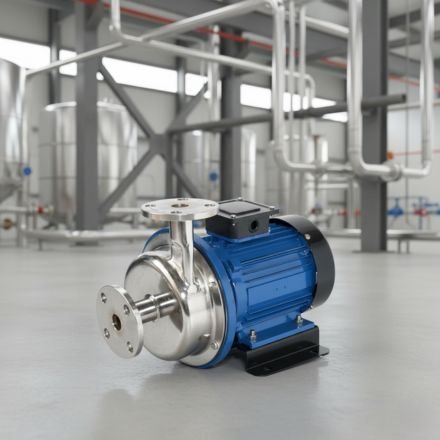
In today’s fast-paced industrial landscape, efficiency, hygiene, and durability are no longer just expectations—they’re absolute requirements. Among the various pumping technologies available, the Stainless Steel Centrifugal Pump stands out as one of the most reliable and widely used solutions. Whether in chemical plants, food processing units, water treatment facilities, or pharmaceutical industries, this pump has become an essential component for seamless fluid transfer.
This comprehensive guide explores the technology, applications, advantages, selection criteria, and how Taha Industries is setting benchmarks in manufacturing high-performance Stainless Steel Centrifugal Pumps.
Understanding the Role of Stainless Steel Centrifugal Pump :
A centrifugal pump operates by converting rotational energy—usually from an electric motor—into kinetic energy that moves the liquid. The use of stainless steel in pump construction significantly enhances its performance, especially in environments where corrosion, hygiene, and temperature stability are critical.
Unlike ordinary pumps, Stainless Steel Centrifugal Pump can handle aggressive chemicals, high temperatures, and abrasive fluids without compromising efficiency. Their smooth internal surface reduces friction and ensures clean, hygienic operations—crucial for industries like food and pharma.
Key Features That Set Stainless Steel Centrifugal Pump Apart :
What makes stainless steel centrifugal pump a preferred choice? The answer lies in their robust design and engineering excellence:
- Superior Corrosion Resistance: Ideal for handling acidic and alkaline fluids without degradation.
- Extended Service Life: Stainless steel construction withstands wear and tear for years.
- Hygienic and Easy to Clean: Ensures compliance with sanitary regulations.
- Energy-Efficient Performance: Optimized hydraulic design saves power.
- Low Maintenance Requirements: Minimal downtime, maximum productivity.
These features collectively contribute to cost-effectiveness and long-term operational stability—making these pumps a smart investment.
Why Stainless Steel Matters More Than Ever :
Choosing stainless steel as a pump material is not just about aesthetics—it’s a strategic decision that impacts performance and life cycle costs.
- Corrosion Resistance: Stainless steel maintains structural integrity even under harsh conditions.
- Temperature Tolerance: Suitable for both cold and hot fluid transfer.
- Hygienic Properties: Non-reactive surface prevents contamination.
- Longevity: Lower replacement and repair costs over time.
- Sustainability: Stainless steel is recyclable, making it an eco-friendly choice.
For industries that value reliability and compliance, stainless steel is a material that delivers on all fronts.
How Stainless Steel Centrifugal Pump Work :
Understanding the working principle helps in optimizing usage. A centrifugal pump consists of an impeller that rotates inside a casing. When fluid enters the pump, the impeller’s spinning motion increases the fluid’s velocity, converting mechanical energy into kinetic energy. The fluid is then discharged through the outlet at a higher pressure.
Key Components:
- Impeller
- Casing
- Suction nozzle
- Discharge nozzle
- Shaft and seal
When made with stainless steel, these components offer better performance, reduced wear, and longer service life.
Choosing the Right Stainless Steel Centrifugal Pump :
Selecting the correct pump involves evaluating several factors to match your operational needs:
- Type of fluid: Consider viscosity, chemical properties, and temperature.
- Flow rate and pressure: Determine the required capacity.
- Material grade: SS 304 for general applications, SS 316 for aggressive environments.
- Power source: Electric motor or other drive options.
- Installation conditions: Horizontal or vertical mounting, space availability.
- Maintenance needs: Ease of service and spare parts availability.
At Taha Industries, every pump is engineered to meet industry-specific requirements with customizable configurations.
Benefits of Investing in Stainless Steel Centrifugal Pumps :
When industries switch to stainless steel centrifugal pumps, the advantages become evident almost immediately:
- ✔ Consistent performance with less downtime
- ✔ Reduced maintenance costs
- ✔ Extended operational life
- ✔ Energy savings over time
- ✔ Compliance with global safety and hygiene standards
- ✔ Adaptability for multiple industries
This is why companies looking for long-term value prefer stainless steel pumps over conventional alternatives.
Taha Industries – Delivering Engineering Excellence :
Taha Industries is a leading manufacturer and exporter of Stainless Steel Centrifugal Pump in India. With years of experience and a strong commitment to quality, we design pumps that meet international standards while ensuring maximum operational reliability.
Why Choose Taha Industries:
- Advanced manufacturing infrastructure
- Export-ready products for global markets
- Tailor-made pump solutions for different industries
- Tested for performance, safety, and durability
- Dedicated customer support and after-sales service
Our pumps are widely used in chemical, pharma, food, oil & gas, and water treatment sectors worldwide.
A Stainless Steel Centrifugal Pump is not just another piece of equipment—it’s a strategic asset. Its durability, hygiene, energy efficiency, and adaptability make it one of the best investments for industries that aim to scale and optimize their processes.
By choosing Taha Industries, you get engineered excellence, reliable performance, and a partner who understands your operational goals. Whether it’s a single pump or a large-scale fluid handling solution, our team ensures that you receive the right technology to power your business forward.
Contact Taha Industries today to learn more about our Stainless Steel Centrifugal Pump solutions and discover how we can help you enhance your system’s performance, reduce operational costs, and ensure long-term reliability.