The Complete Guide to Multifamily Housing Signage: From Wayfinding to Branding
By Caliber Signs and Imaging 26-03-2026 119
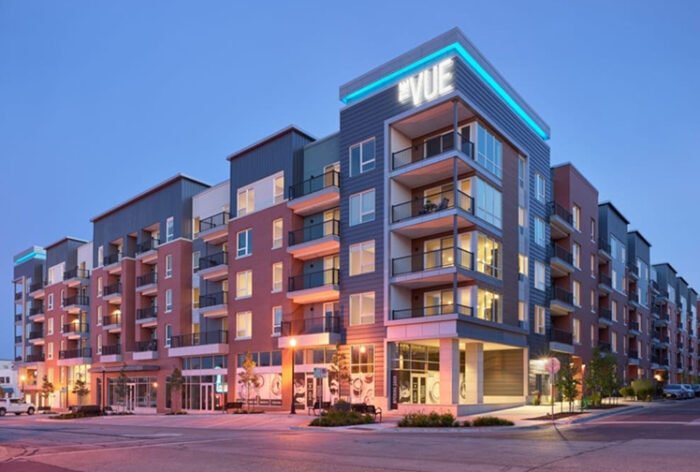
In today’s competitive real estate landscape, multifamily housing signage plays a far more strategic role than many property owners and managers realize. Beyond simple identification, signage influences first impressions, guides residents and visitors, reinforces branding, and even impacts leasing decisions.
This guide breaks down everything you need to know—from apartment wayfinding signage to cohesive branding—so you can implement signage that is both functional and impactful.
Why Multifamily Housing Signage Matters
Multifamily properties—whether apartment complexes, student housing, or mixed-use developments—are complex environments. Visitors often arrive unfamiliar with the layout, and residents expect convenience and clarity.
Effective multifamily signage solutions deliver:
- Improved navigation: Helping guests, delivery drivers, and new residents find their way easily
- Enhanced resident experience: Reducing frustration and confusion
- Stronger brand identity: Creating a cohesive visual impression
- Increased property value: Elevating perceived quality and professionalism
In short, signage is not just operational—it’s experiential and strategic.
Types of Multifamily Housing Signage
A comprehensive signage system includes multiple types, each serving a specific function.
1. Monument and Entry Signage
This is the first point of contact for anyone approaching the property. Monument signs establish identity and set expectations.
Key considerations:
- Visibility from the road
- High-quality materials (stone, metal, acrylic)
- Consistency with architectural style
A well-designed entry sign immediately communicates professionalism and quality.
2. Directional and Wayfinding Signage
Apartment wayfinding signage is critical in larger properties where navigation can be confusing.
This includes:
- Directional arrows
- Building identifiers
- Parking guidance
- Maps and directories
Effective wayfinding signage should be:
- Clear and concise
- Strategically placed at decision points
- Easy to read from a distance
Poor wayfinding can frustrate visitors and negatively impact first impressions—especially for prospective tenants.
3. Building and Unit Identification
These signs help residents and guests locate specific buildings and units.
Examples include:
- Building numbers or names
- Unit numbers
- Floor indicators
Consistency in typography, size, and placement is essential for readability and cohesion
4. Amenity and Informational Signage
Modern multifamily communities offer amenities like gyms, pools, co-working spaces, and lounges. Signage ensures these spaces are easy to locate and use.
Typical examples:
- Gym rules and hours
- Pool safety signs
- Pet area signage
- Leasing office directions
This category overlaps with compliance and user experience.
5. Regulatory and ADA-Compliant Signage
Compliance is non-negotiable. Accessibility standards require specific signage elements such as:
- Braille and tactile lettering
- High contrast colors
- Proper mounting heights
Working with professional property signage services ensures compliance with regulations while maintaining design consistency.
Apartment Signage Design: Key Principles
Design is where functionality meets branding. Effective apartment signage design follows a few core principles:
Clarity Over Complexity
Avoid clutter. Use simple language, legible fonts, and intuitive symbols.
Consistency Across the Property
All signage should feel like part of a unified system:
- Same color palette
- Consistent typography
- Matching materials
This consistency reinforces brand identity.
Visibility and Readability
Consider:
- Viewing distance
- Lighting conditions
- Font size and contrast
A sign that looks great up close but is unreadable from afar fails its purpose.
Durability and Materials
Outdoor signage must withstand weather conditions. Common materials include:
- Aluminum
- Acrylic
- Stainless steel
- High-pressure laminate
Durable materials reduce maintenance costs over time.
The Role of Branding in Multifamily Signage
Signage is one of the most visible extensions of your brand. Every sign—from the monument at the entrance to unit numbers—should reflect your property’s identity.
Establishing a Visual Identity
Your signage should align with:
- Logo design
- Brand colors
- Architectural style
For example:
- A luxury property may use brushed metal and elegant serif fonts
- A modern urban complex might favor minimalist design and bold typography
Creating Emotional Impact
Signage influences perception. Clean, well-designed signage communicates:
- Professionalism
- Safety
- Attention to detail
These subtle cues can influence leasing decisions more than you might expect.
Integrating Technology into Signage
Modern multifamily signage solutions increasingly incorporate digital elements.
Digital Directories
Interactive screens in lobbies help visitors locate units or amenities quickly.
Smart Wayfinding
QR codes and mobile integration allow users to access maps and directions on their phones.
LED and Backlit Signage
Improves visibility at night while adding a premium aesthetic.
While not necessary for every property, technology can significantly enhance user experience in larger or high-end developments.
Common Mistakes to Avoid
Even well-intentioned signage systems can fail due to poor execution. Watch out for these common pitfalls:
Inconsistent Design
Mixing styles, fonts, or materials creates visual clutter and weakens branding.
Poor Placement
Signs placed too high, too low, or in the wrong locations reduce effectiveness.
Overloading Information
Too much text overwhelms users. Keep messaging concise.
Ignoring Maintenance
Faded, damaged, or outdated signs create a negative impression.
Lack of Professional Planning
DIY approaches often lead to gaps in the signage system. Partnering with experienced property signage services ensures a cohesive strategy.
How to Plan a Multifamily Signage System
A strategic approach ensures your signage delivers maximum value.
Step 1: Conduct a Site Audit
Evaluate:
- Traffic flow
- Entry and exit points
- Common confusion areas
Step 2: Define Objectives
Determine your priorities:
- Navigation improvement
- Branding enhancement
- Compliance
Step 3: Develop a Signage Hierarchy
Organize signage into categories:
- Primary (entry signs)
- Secondary (directional signs)
- Tertiary (unit identifiers)
Step 4: Design and Prototype
Work with professionals to create mockups that align with your brand.
Step 5: Installation and Testing
Ensure proper placement and gather feedback from residents and visitors.
Choosing the Right Property Signage Services
Selecting the right partner is critical for successful implementation.
Look for providers that offer:
- End-to-end solutions (design, fabrication, installation)
- Experience in multifamily properties
- Knowledge of compliance standards
- Customization capabilities
Reliable property signage services help translate your vision into a functional, durable, and visually appealing system.
The ROI of Multifamily Housing Signage
Investing in high-quality multifamily housing signage delivers measurable returns:
- Higher leasing conversions: Better first impressions attract prospects
- Reduced operational issues: Clear navigation minimizes confusion
- Improved resident satisfaction: Easier navigation enhances daily living
- Stronger brand positioning: A cohesive look differentiates your property
Signage is not just a cost—it’s an asset that supports both operations and marketing.