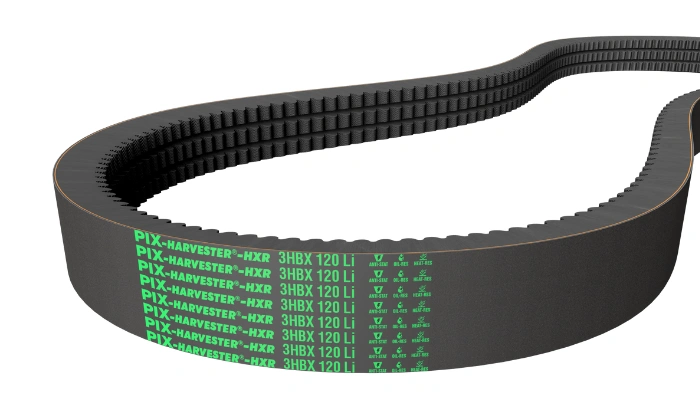
Farming today depends on powerful machines that work long hours in rough conditions. From early soil preparation to the final harvest, every machine must perform without delay. But behind the noise of engines and the strength of steel parts, there is one simple component that keeps everything moving smoothly: the belt.
Belts may look small compared to the size of tractors or harvesters, yet they carry power from one part of the machine to another. If the belt fails, the whole machine can stop. This can lead to costly downtime, delayed harvest, and added stress during already busy seasons.
So what makes a belt strong enough for heavy-duty farm work? And which type performs best under pressure, heat, dust, and long working hours? The answer may surprise you.
In this detailed guide, we will explore the best types of belts for heavy-duty agricultural machinery, explain how they work, and help you understand which type fits different farming needs.
Note:
If you are reviewing options for reliable Agricultural machinery belts(สายพานเครื่องจักรกลการเกษตร) and want to better understand which type fits your equipment needs, consider learning more from trusted industry specialists like PIX Trans Thailand. They can provide detailed technical guidance based on machine type and working conditions. Contact them to explore suitable solutions and ensure your machinery runs smoothly throughout the farming season.

Why Belts Matter So Much in Agricultural Machinery
Agricultural machines operate in some of the toughest environments. They deal with mud, stones, extreme heat, sudden rain, and heavy loads. Inside these machines, belts help transfer power from the engine to different parts such as cutting blades, fans, pumps, and wheels.
If a belt slips, cracks, or breaks, the machine may stop working properly. This is why choosing the right type of belt is not just a small decision. It affects performance, fuel use, maintenance cost, and overall productivity.
Heavy-duty farming requires belts that are strong, flexible, heat-resistant, and able to handle shock loads. Not every belt is built the same, and using the wrong type can cause repeated failures.
Understanding How Belts Work in Farm Equipment
Before looking at the best types, it helps to understand the basic job of a belt.
A belt connects two or more pulleys. When the engine turns one pulley, the belt moves and rotates the other pulley. This simple movement allows power to travel from the engine to different working parts.
In heavy-duty agricultural machinery, belts must:
Carry high power without slipping
Handle sudden changes in speed
Work in dusty and dirty conditions
Resist heat and oil exposure
Different belt designs meet these needs in different ways.
Main Types of Belts Used in Heavy-Duty Agricultural Machinery
Let us explore the most reliable belt types used in demanding farm operations.
V-Belts
V-belts are one of the most common belt types found in agricultural machinery. They are shaped like a “V” and fit tightly into V-shaped pulleys.
This design increases grip and reduces slipping. When the load increases, the belt presses deeper into the pulley groove, creating stronger friction.
V-belts are widely used in tractors, harvesters, and threshers because they can handle moderate to heavy loads while staying flexible.
They are especially useful in machines that need steady and reliable power transfer.
Cogged V-Belts
Cogged V-belts are similar to regular V-belts but have small cuts or grooves on the inside surface. These grooves make the belt more flexible.
This added flexibility allows the belt to bend easily around smaller pulleys and reduce heat build-up.
Because of better flexibility and cooling, cogged V-belts often last longer in heavy-duty applications.
They are ideal for machines that run at high speed or generate more heat during operation.
Wrapped V-Belts
Wrapped V-belts have a fabric covering around the outer surface. This cover protects the belt from dust, dirt, oil, and moisture.
In agricultural environments where dust and mud are common, this protective layer helps increase belt life.
Wrapped V-belts are often chosen for field machinery that operates in harsh outdoor conditions.
Timing Belts
Timing belts, also called synchronous belts, have teeth on the inside surface. These teeth fit into matching grooves on the pulley.
Unlike V-belts, timing belts do not rely only on friction. The teeth lock into place, preventing slipping completely.
This makes them perfect for applications where precise movement is important, such as in planting machines or advanced harvesting systems.
They ensure accurate timing between moving parts.
Ribbed Belts
Ribbed belts, also known as multi-rib belts, have several small ribs running along their length.
These ribs provide strong grip while allowing flexibility. Ribbed belts can handle high speeds and are often used where space is limited.
They are common in machines that require smooth and quiet operation.
Comparison of Belt Types for Heavy-Duty Use
Below is a clear comparison to help understand the strengths of each type.
| Belt Type | Best For | Strength Level | Flexibility | Slip Resistance | Suitable for Heavy-Duty? |
|---|---|---|---|---|---|
| V-Belt | General farm machinery | High | Medium | Good | Yes |
| Cogged V-Belt | High-speed equipment | High | High | Very Good | Yes |
| Wrapped V-Belt | Dusty and muddy conditions | High | Medium | Good | Yes |
| Timing Belt | Precise movement systems | Very High | Medium | Excellent | Yes |
| Ribbed Belt | Compact systems, smooth running | Medium-High | High | Very Good | Yes |
Each belt type serves a specific purpose. Choosing the correct one depends on machine design and working conditions.

What Makes a Belt “Heavy-Duty”?
Not every belt can handle tough farm conditions. Heavy-duty belts are built with stronger internal cords and better outer materials.
Here are the key features that define a heavy-duty belt:
Strong inner reinforcement to prevent stretching
Heat-resistant material to survive long working hours
Oil and chemical resistance
Ability to handle shock loads
Belts used in combines and large tractors must survive constant vibration and heavy torque. A weak belt may work for a short time but will fail quickly under stress.
Belt Material and Performance
The material used in a belt plays a major role in its strength and lifespan.
Most heavy-duty belts are made from rubber compounds mixed with strong fibers like polyester or aramid. These fibers help the belt keep its shape under high load.
Some belts also include special layers to improve heat resistance. This is important because agricultural machines often operate under direct sunlight for many hours.
Here is a simple breakdown of material features.
| Material Feature | Why It Matters in Farming Machinery |
|---|---|
| Heat Resistance | Prevents cracking during long use |
| Oil Resistance | Protects against engine leaks |
| High Tensile Strength | Stops belt from stretching |
| Flexible Structure | Reduces wear on pulleys |
| Strong Outer Cover | Shields against dust and mud |
Understanding these features helps farmers and technicians select belts that last longer and reduce breakdowns.
Signs That You May Be Using the Wrong Belt Type
Sometimes machines experience repeated belt problems. This may not always be due to poor maintenance. It could be the wrong belt type.
Common warning signs include:
Frequent slipping during heavy load
Cracks appearing too quickly
Unusual noise from pulleys
Overheating smell during operation
If these problems continue even after proper installation, it may be time to consider a different belt type designed for heavier use.
How Working Conditions Affect Belt Choice
Agricultural work is not the same everywhere. Conditions vary depending on location and season.
Machines working in dry and dusty areas may need wrapped belts for protection.
High-speed harvesting equipment may benefit from cogged V-belts for better cooling.
Precision planting systems often require timing belts for accurate performance.
Matching the belt type with the working condition improves efficiency and reduces maintenance.
Maintenance Tips to Extend Belt Life
Even the best belt will not last long without proper care.
Regular inspection is important. Look for cracks, fraying, or signs of wear.
Make sure belt tension is correct. Too tight can damage bearings. Too loose can cause slipping.
Keep pulleys clean and aligned.
Replace worn belts before peak farming season begins.
These simple steps can prevent sudden breakdowns during critical harvest periods.
The Hidden Cost of Choosing the Wrong Belt
At first glance, belts may seem like small parts with small costs. But when a belt fails in the middle of harvest, the real cost becomes clear.
Delayed operations can lead to crop loss.
Emergency repairs may require extra labor.
Machine downtime reduces productivity.
Choosing the correct heavy-duty belt type helps avoid these hidden losses.
Frequently Asked Questions
1. Which belt type is most commonly used in heavy-duty tractors?
V-belts and cogged V-belts are most commonly used because they offer strong grip and durability under heavy load.
2. How often should agricultural machinery belts be replaced?
Replacement depends on usage hours and working conditions. Regular inspection helps detect wear early before sudden failure.
3. Are timing belts better than V-belts for farming machines?
Timing belts are better for precise movement systems, while V-belts are more common for general power transfer.
4. Can heat damage farm machinery belts?
Yes. Long exposure to heat can cause cracking and loss of strength. Heat-resistant belts are important for heavy-duty use.
5. What is the biggest reason for belt failure in agriculture?
Improper tension, misalignment, and using the wrong belt type for the load are common reasons.
Connect and Learn More
Facebook: https://www.facebook.com/pixtrans/
Instagram: https://www.instagram.com/pixtrans/
YouTube: https://www.youtube.com/user/pixtrans
LinkedIn: https://www.linkedin.com/company/pixtrans/
Twitter: https://x.com/pixtrans
Google Maps: https://maps.app.goo.gl/V2NG4NKaZRKu7xtG6