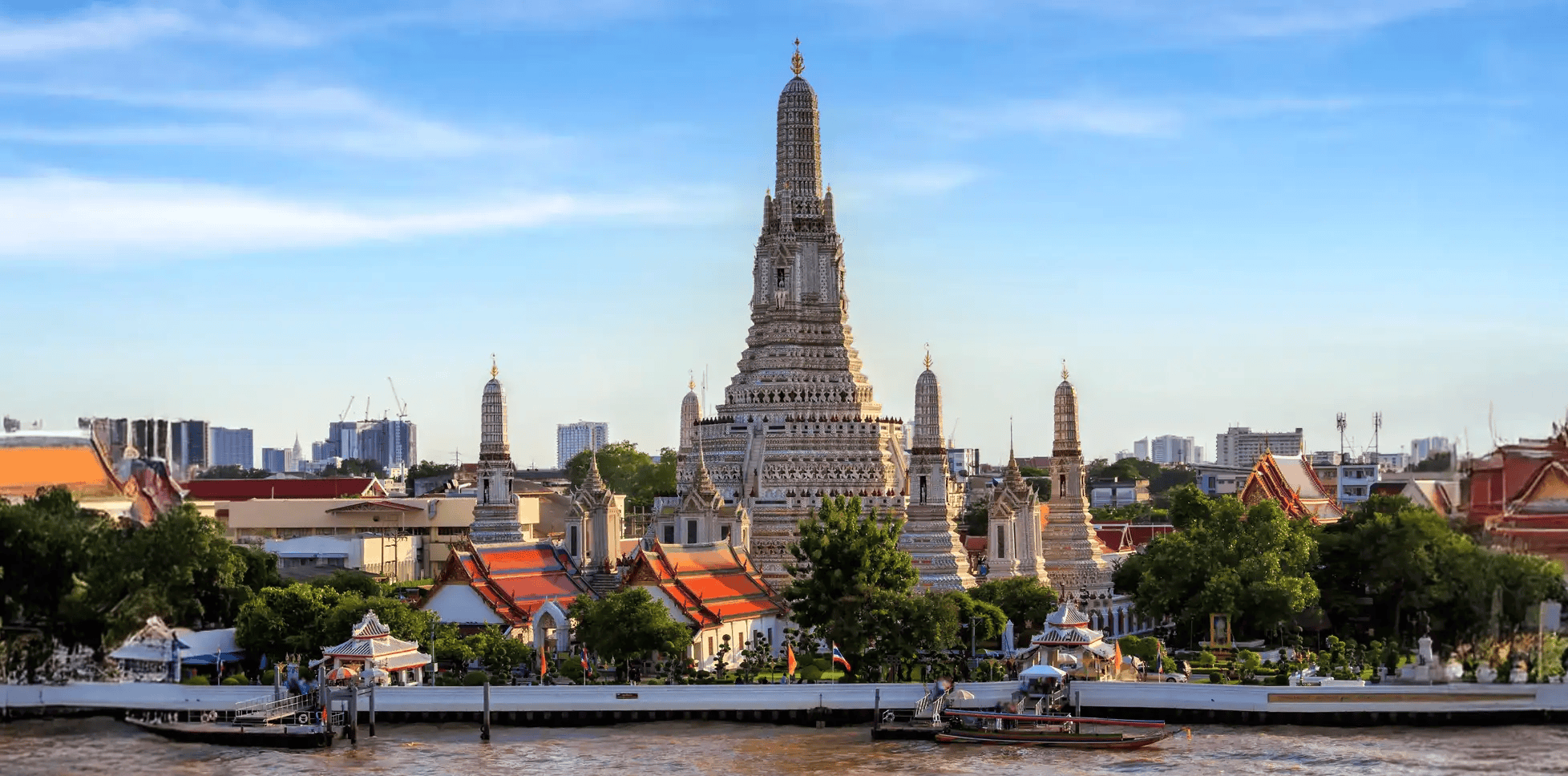
Thailand is one of those places people talk about long before they actually go. Someone at work mentions a beach photo, a cousin shares shopping stories, a friend says the food alone is worth the flight — and slowly the idea sticks. By the time you finally book, it already feels familiar.
For many travelers from India, the trip feels manageable rather than intimidating. Flights are not too long, prices are reasonable, and tourist areas are well prepared for visitors. Quite a few people sort out their plans through Next Holidays, Best Travel Agency In India when they don’t want to deal with comparing dozens of flights and hotels on their own.
What surprises most first-time visitors is how quickly the country changes from place to place. A busy city morning can turn into a quiet island evening the very next day. That contrast is a big part of the experience.
Bangkok Feels Chaotic — Then Somehow Fun
Almost every trip begins in Bangkok. The first impression can be overwhelming: traffic everywhere, neon signs, street vendors cooking on sidewalks, sky trains passing overhead. It doesn’t look relaxing at all.
But give it a little time.
Once you settle in, the city becomes interesting rather than stressful. You start noticing small details — monks walking past office workers, tiny food stalls beside huge malls, boats moving calmly along the river while roads stay crowded.
Things people usually end up doing even without strict plans:
- Visiting the Grand Palace area
- Taking a river boat just for the experience
- Exploring night markets for food and souvenirs
- Spending hours inside air-conditioned malls
- Getting a traditional Thai massage after a long day
Bangkok is not a place you “finish.” It’s more about sampling the atmosphere.
Beach Choices Can Change the Whole Trip
People often say “Thailand beaches” as if they’re all the same. They’re not.
Phuket feels like a full holiday hub. Big hotels, busy streets, water sports, nightlife — everything in one place. Good if you want activity and convenience.
Krabi is quieter and more scenic. Limestone cliffs rise straight out of the sea, and sunsets feel slower somehow.
Phi Phi Islands look exactly like travel brochures. Day tours bring crowds, but mornings and evenings are calm if you stay overnight.
Some travelers prefer action, others just want a chair, a book, and the sound of waves. Thailand offers both.
Chiang Mai Shows Another Side of the Country
If you head north, Thailand stops feeling tropical and starts feeling peaceful. Chiang Mai moves at a different speed.
The old part of the city is walkable, with temples appearing every few blocks. Cafés stay open late, night markets buzz without feeling chaotic, and mountains sit quietly in the background.
People often remember experiences here more than specific landmarks:
- Feeding elephants at ethical sanctuaries
- Learning to cook Thai dishes in small classes
- Watching sunsets from hilltop temples
- Browsing handmade items at local markets
It’s the kind of place where plans matter less.
Food Becomes Part of Your Routine
You don’t schedule meals in Thailand — they just happen. Something smells good, you stop, you eat. Repeat several times a day.
Street food is everywhere, and much of it is freshly cooked in front of you. Even simple dishes taste different from what you get back home.
Fresh fruit shakes in the heat become almost a daily habit. Mango sticky rice stops being a “dessert to try” and becomes something you look for.
Not every meal is unforgettable, but very few are disappointing.
Shopping Is Hard to Avoid
Even travelers who claim they won’t shop usually end up buying something. Markets are designed in a way that makes browsing feel like entertainment rather than a task.
Night markets in particular are lively — music playing, food cooking, people walking slowly from stall to stall. You might go just to look and return with bags anyway.
Clothes, accessories, souvenirs, snacks, handicrafts — prices are often low enough that small purchases don’t feel like a big decision.
Moving Around Is Easier Than Expected
Many first-time visitors assume traveling between cities or islands will be complicated. In reality, domestic flights are short, ferries run frequently, and hotels often help arrange transfers.
Because distances are manageable, travelers rarely stay in one place the whole time. A common plan is a few days in Bangkok followed by a beach destination, sometimes with Chiang Mai added at the end.
This is why Popular Thailand Tour Packages from India often include multiple stops — it lets visitors experience the variety instead of just one side of the country.
Weather Matters, But Not as Much as People Think
Thailand is warm year-round. The “best” season mainly means slightly less heat and humidity.
Cooler months from November to February are the most comfortable and therefore the busiest.
Hot season can feel intense during the day, but beach locations help.
Rainy season sounds worse than it usually is. Showers often come in short bursts, and the greenery looks beautiful afterward.
Small Things That Make the Trip Smoother
A few practical habits help a lot:
- Drink plenty of water in the heat
- Carry light clothing and comfortable footwear
- Remove shoes when entering temples or some indoor places
- Keep small cash for taxis and street purchases
- Stay patient — things don’t always run on strict schedules
None of these are difficult, but they prevent minor frustrations.
Conclusion
Thailand works well as a holiday because it doesn’t demand a single way of traveling. You can fill your days with tours and activities, or do almost nothing and still enjoy yourself.
For Indian travelers planning 2026 holidays, it remains one of the most practical choices abroad — close enough for a short trip, diverse enough to stay interesting, and developed enough to feel comfortable.
Most people return home with the same thought: there were still places they didn’t see. And that’s usually how the idea of a second trip begins.