Digital Transformation and Tech Reboot Innovations Disrupting Industries

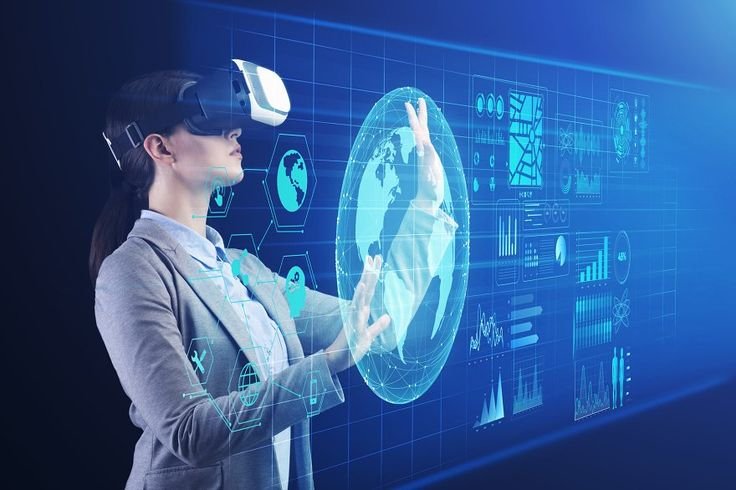
Technology is developing more quickly than ever before, and every major sector is undergoing a major transition, whether small or large. Digital transformation, Industry 4.0 innovation, and the disruption caused by artificial intelligence are driving a significant tech revolution in the modern world. These factors are changing how businesses function, altering markets, and reinventing processes in addition to modernizing technologies. Adopting the appropriate digital strategies is now essential for companies to survive and thrive in this new tech-powered world; it is no longer a choice.
This blog will examine the key developments driving this global reboot, how industries are changing, and why businesses need to change quickly to remain relevant. When you're ready to go further, you may visit teachsteams to learn more about developing technologies and how they affect your company.
The Rise of Next-Generation Digital Transformation
The core of this significant change is digital transformation. It describes how contemporary digital technology is incorporated into all facets of business, resulting in better customer experiences, more effective processes, and more intelligent decision-making. The rapid pace of innovation and businesses' willingness to embrace new technologies distinguish the current wave of change from previous efforts.
Digital transformation is no longer an experiment in many sectors. It now serves as the basis for competitive advantage. These days, retail businesses use data-driven customization to interact with their consumers. Healthcare organizations use advanced analytics to make diagnoses more quickly. Industrial companies use automation to boost productivity. Despite their initial subtlety, these developments together cause significant disruptions to the world economy.
Businesses that disregard digital transformation risk sluggish operations, dwindling customer engagement, and outdated business processes. On the other hand, those who adopt it see faster development and better results. For further advice and examples on how digital transformation solutions might benefit your business, visit Teachsteams.
How Industry 4.0 Innovation Is Rewriting Business Rules
Industry 4.0 innovation, a contemporary trend that blends smart technology to build intelligent, linked systems, is one of the main forces behind today's digital revolution. Automation, data interchange, cyber-physical systems, smart factories, and sophisticated analytics are among the developments of this new age of industrial modernization.
Through real-time connections between machines, processes, and people, Industry 4.0 innovation is revolutionizing production settings. Now that factories can anticipate equipment problems before they occur, they can save on maintenance costs and downtime. Because of automated decision-making and real-time monitoring, supply chains are becoming more transparent and flexible. These advancements help businesses produce high-quality products more quickly and effectively.
Furthermore, Industry 4.0 innovation enables companies to create goods using customer data, improving operational alignment with customer needs. This degree of efficiency is crucial as marketplaces become more international and competitive. Companies that want to remain competitive must investigate contemporary industrial solutions; they can find helpful meterials. To back up their plan
Artificial Intelligence Disruption Is Reshaping the Future
The disruption caused by artificial intelligence is what really accelerates the current technological growth. Research laboratories and experimental initiatives are no longer the only places where AI is used. It is now completely integrated into mainstream sectors, including banking, retail, healthcare, logistics, and education.
The disruption caused by artificial intelligence is changing how businesses evaluate data, automate procedures, and provide individualized services. Compared to conventional systems, AI-powered algorithms provide predictions more quickly and accurately. Chatbots increase client interaction continuously. Recommendation engines employ user preferences to help companies increase sales. The creative sectors are also using AI to produce designs, content, and marketing plans.
AI's capacity for learning and development is what gives it its real strength. AI systems are becoming smarter and more precise as companies gather more data. Organizations can now make real-time decisions, minimize human error, and identify opportunities that might otherwise go unnoticed thanks to this change. You may find more information at teachsteams if you're interested in learning more about how AI can change the way your company operates.
Internet of Things (IoT) and the Rise of Connected Ecosystems
The Internet of Things (IoT) is another significant driver of the present innovation boom. The Internet of Things is a network of interconnected devices that communicate with one another without human intervention. IoT is growing quickly and building completely linked ecosystems, from industrial sensors to smart household appliances.
IoT devices monitor shipments in real time in sectors like logistics, minimizing losses and avoiding delays. IoT sensors are used in agriculture to monitor weather patterns and soil conditions, thereby increasing yields. Wearable technology is used in healthcare to monitor patient health and notify providers of any changes. These illustrations demonstrate how IoT is streamlining processes and enhancing system intelligence.
Additionally, IoT enhances sustainability and safety. IoT-based energy systems in buildings automatically alter power use, lowering it. Manufacturers use IoT to simplify processes and save waste. IoT will play an increasingly important role as the globe shifts to more sustainable practices.
Robotic Process Automation (RPA) and the Future of Work
Another powerful technology transforming corporate operations is robotic process automation (RPA). RPA automates repetitive tasks, including data entry, invoice processing, report generation, and client onboarding, using software robots. Employee time is often wasted on these duties, which causes delays and inefficiencies.
Businesses can increase accuracy, reduce costs, and free up team members to focus on more strategic and innovative projects by implementing RPA. RPA is already delivering impressive results across industries such as banking, healthcare, insurance, and customer service. RPA increases an organization's efficiency and competitiveness by reducing mistakes and speeding up processing times.
Humans and digital workers will collaborate powerfully in the workplace of the future. RPA increases productivity and frees up teams to concentrate on higher-value activities rather than replacing workers. Visit [your website URL here] for further resources and assistance if you're interested in learning how RPA might improve your processes.
Generative AI Trends Are Driving Creativity and Innovation
Trends in generative AI are yet another significant driver of the current technology revolution. With very little human input, this sophisticated kind of AI can produce text, graphics, music, code, and even commercial solutions. It is changing software development, design, entertainment, marketing, and content production.
Generative AI is used by businesses to produce captivating advertising campaigns, product descriptions, social media postings, and consumer insights. It helps designers swiftly come up with graphic concepts. Developers use it to build code, automate testing, and improve cybersecurity. As new platforms and tools are developed worldwide, the potential of generative AI continues to expand daily.
In addition to increasing efficiency, generative AI is opening up new creative possibilities. In a cutthroat digital market, businesses that adopt these trends will stand out. Feel free to visit [insert website URL here] for comprehensive instructions and tutorials if you're considering generative AI inovations for your company.
Preparing for the Future of Tech Reboot Innovations
The capacity to adapt to new technology becomes crucial as industries change. Artificial intelligence disruption, Industry 4.0 innovation, and digital transformation are becoming realities rather than hypothetical ideas. Investing in these technologies gives organizations a clear edge, while those who are hesitant risk falling behind.
Businesses should invest in digital skills, modern infrastructure, and cutting-edge technologies such as IoT, RPA, and generative AI to be ready for this future. Additionally, they need to collaborate with seasoned digital companies and IT consultants who can help businesses navigate challenging changes. Visit teachsteams for professional help and resources if you need to decide which course is best for your company.
Tags : Tech reboot innovations disrupting industries illustration Digital transformation strategy in modern businesses Advanced manufacturing powered by Industry 4.0 innovation Artificial intelligence disrupting global industries Internet of Things sensors monitoring real-time data RPA software automating business workflows Generative AI creating digital content