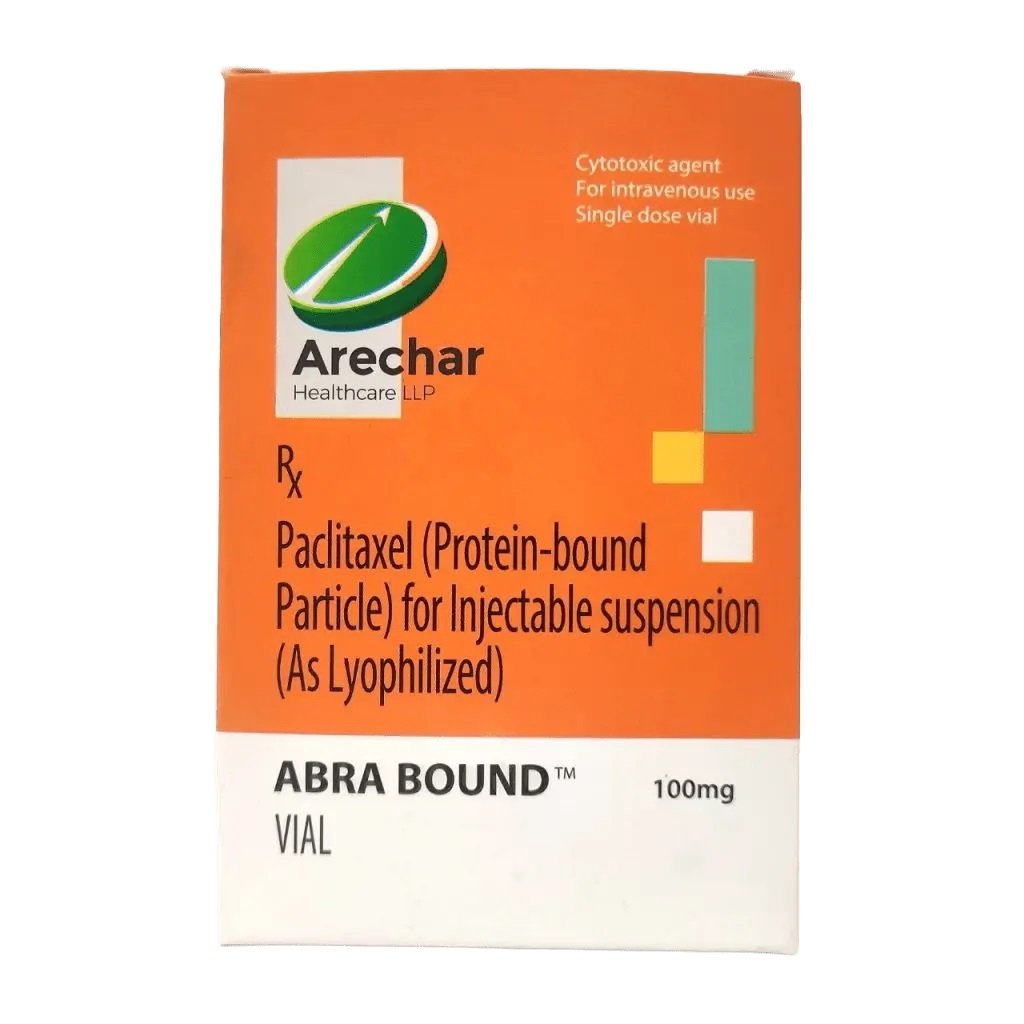
Unlike traditional chemotherapy, this specialized formulation uses nanoparticle technology to deliver the active drug directly to the tumor. Healthcare professionals prescribe Abra Bound 100mg Injection for Multiple Cancer. By binding the medication to human albumin a protein naturally found in the blood, it travels through the bloodstream more efficiently. This makes access to cancer cells easier for the medicine, besides minimizing heavy pre-medication, like steroids, which needed to be taken when using old versions of this medicine.
How the Treatment Works
Once a healthcare professional administers the dose, the albumin-bound particles exploit the body's natural transport pathways. The drug selectively attacks the microtubules in the cancer cells, rendering them incapable of dividing. Since the cancer cells can't divide anymore, they eventually succumb to programmed cell death, thereby allowing the tumors to shrink and the progression of the cancer to be halted.
Key Application
This treatment is mostly used by oncologists for a range of aggressive cancer types. When other first-line treatments might not have produced the intended outcomes, it acts as a cornerstone therapy.
- Metastatic Breast Cancer
- Non-Small Cell Lung Cancer (NSCLC)
- Advanced Pancreatic Cancer
Managing Common Side Effects
While the albumin-bound delivery system aims to improve tolerability, the potency of the medication means that patients should still prepare for certain physical changes. Monitoring these symptoms closely ensures that your medical professional can adjust your care plan as needed.
Category | Common Reactions |
Nerve Health | Numbness, tingling, in the hands and feet (peripheral neuropathy). |
Blood Counts | A temporary drop in white blood cells (increasing infection risk), red blood cells (causing fatigue), and platelets. |
Physical Characteristics | Alopecia, or significant hair thinning or complete hair loss, typically starts two to three weeks into treatment. |
Body Aches | Mild to moderate joint and muscle pain, often occurring a few days after the infusion. |
Digestive Health | Nausea, occasional vomiting, and diarrhea. |
Safety and Administration Protocols
Because this is a cytotoxic (cell-killing) agent, it requires a controlled medical environment for administration. Understanding the logistics can help reduce anxiety surrounding treatment days.
Intravenous Infusion
A nurse or doctor administers the 100mg dose via an intravenous (IV) drip. This formulation usually takes 30 to 40 minutes to prepare, compared to older formulations that take hours. As a result, there will be less time spent in the infusion chair and a lower chance of responses at the infusion site.
Regular Monitoring
You will be required to do frequent blood checks during your menstrual cycle. If your absolute neutrophil count (ANC) becomes too low, your doctor may decide not to take your next dose so that your immune system gets a chance to rest.
Conclusion
Navigating a cancer diagnosis requires the most advanced tools available, and this albumin-bound therapy offers a sophisticated way to target malignant cells. By leveraging the body's own transport proteins, it delivers a powerful blow to tumors with a focus on efficiency. Visit Globans Pharma for information on Abra Bound 100mg.
FAQ
1. Does a patient need to take steroids before their infusion?
Usually, no. Because this formulation does not contain the harsh solvents found in traditional paclitaxel, most patients do not require steroid premedication to prevent allergic reactions.
2. Is it safe to drive after the treatment?
Some patients experience dizziness or significant fatigue immediately following the infusion. It is best to have a friend or family member drive you to and from your appointments until you know how the medication affects you.
3. Can a patient continue working during therapy?
Many patients continue to work, though you may need to adjust your schedule. Fatigue is a cumulative side effect, meaning you might feel more tired as you progress through more cycles of treatment.