Tailored Orthopaedic Solutions: Navigating Segmented Repairs and Corrective Joint Care
By Dr. Atul Mishra 23-07-2026 40
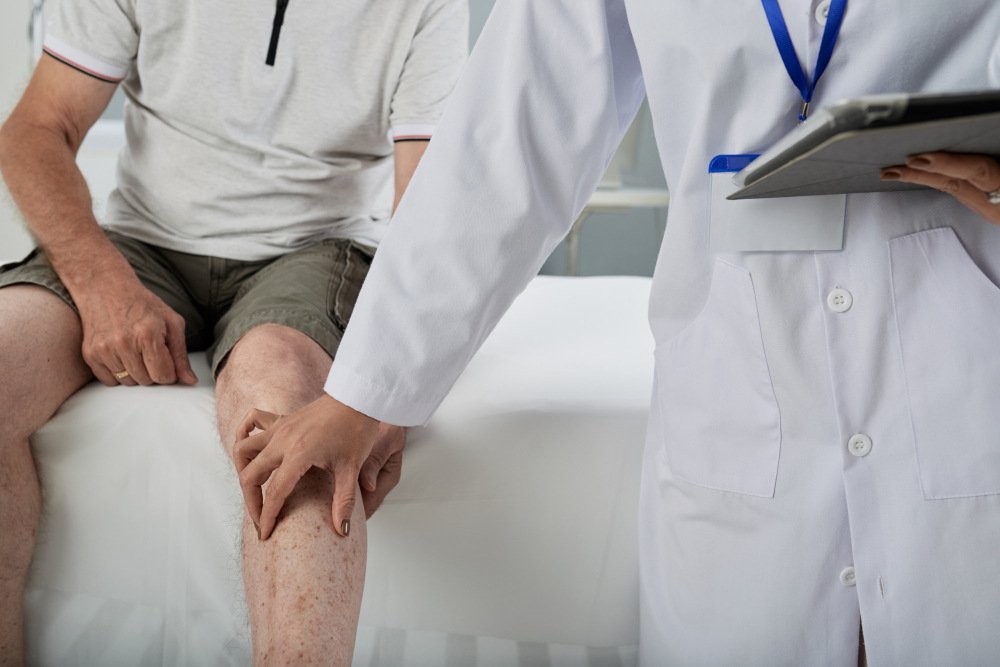
The field of bone and joint medicine has undergone a major paradigm shift over the last decade. Orthopaedic specialists no longer view every case of knee degeneration through the lens of a single, uniform treatment plan. Instead, modern joint care treats each patient’s knee as a unique anatomical challenge, applying highly specific solutions that match the precise location and severity of the joint wear.
Whether an individual is dealing with early-stage damage confined to just one side of the knee or navigating the complex reality of an ageing implant that requires correction, access to highly specialised expertise is the single most important factor in securing a successful outcome.
Preserving Healthy Tissue via Compartmental Resurfacing
Many patients assume that any degree of chronic knee pain automatically means their entire joint must be replaced. However, arthritis often starts by targeting just a single section of the knee, typically the inner medial compartment, while leaving the outer lateral side and the kneecap completely healthy. In these specific scenarios, erasing the entire natural joint anatomy would be unnecessarily aggressive.
Consulting a specialised partial knee replacement surgeon in Delhi allows patients to explore conservative, tissue-sparing options. During a compartmental resurfacing, only the specific damaged area is addressed, leaving all of your healthy bone, cartilage, and crucial stabilising ligaments, like the ACL and PCL, completely untouched. Because your natural anatomy is preserved, the knee retains its native fluid mechanics, resulting in a joint that feels remarkably natural during daily movement, alongside a significantly accelerated recovery timeline.
Identifying the Right Specialist for Initial Joint Transitions
For individuals dealing with more widespread wear that covers multiple sections of the joint, a broader approach is needed to eliminate chronic pain and restore proper alignment. When stepping onto the path of complete joint reconstruction, the choice of your medical practitioner dictates your long-term success.
Finding the best knee replacement surgeon in Delhi requires looking for a professional who prioritises patient-specific mapping and minimal soft-tissue disruption. Advanced centres, such as the Amrita Sports Injury & Corporate Clinic, combine this meticulous technical accuracy with comprehensive patient education, making sure that individuals feel fully supported from their first diagnostic evaluation through to their final rehabilitation milestones.
Addressing Complex Secondary Joint Corrections
While primary joint reconstructions boast exceptionally high success rates, mechanical implants can occasionally face challenges over extended periods. Factors such as natural bone loss over time, microscopic implant wear, localised low-grade infections, or a traumatic fall can cause a primary implant to become loose, unstable, or painful after years of excellent service.
Dealing with an unstable or failing implant requires a highly advanced level of structural expertise. Seeking assistance from the best revision knee replacement doctor in Delhi is critical when planning a corrective second procedure. Revision surgeries are inherently more complex than initial operations because the specialist must carefully remove the old components, manage any underlying bone deficiencies, and install specialised revision implants with extreme precision to rebuild structural stability and restore pain-free movement.
FAQ
- Why does a partial joint repair feel more natural than a total joint procedure? Ans: A partial repair feels more natural because it leaves your native stabilising ligaments, including the anterior cruciate ligament, intact. This preservation maintains your body’s natural proprioception, the intrinsic sensory awareness of your joints' position and movement.
- What are the primary warning signs that an older knee implant might need a revision? Ans: Common red flags include a sudden or gradual return of deep joint pain, visible swelling, a feeling of structural instability or the knee giving way, a noticeable decrease in flexibility, or an inability to bear weight comfortably during standard walking.
- How long should a primary knee implant last before a revision is ever considered? Ans: With modern manufacturing materials and accurate initial surgical alignment, over ninety per cent of primary knee implants continue to perform excellently for twenty to twenty-five years. Revisions are typically only required earlier due to unexpected complications like deep infection or severe physical trauma.
Tags : .....