Stop Blaming Your Diet: Why Some Fat Pockets Never Respond to Exercise and How Lipolyse Fixes That
By mickstone 23-05-2026 378
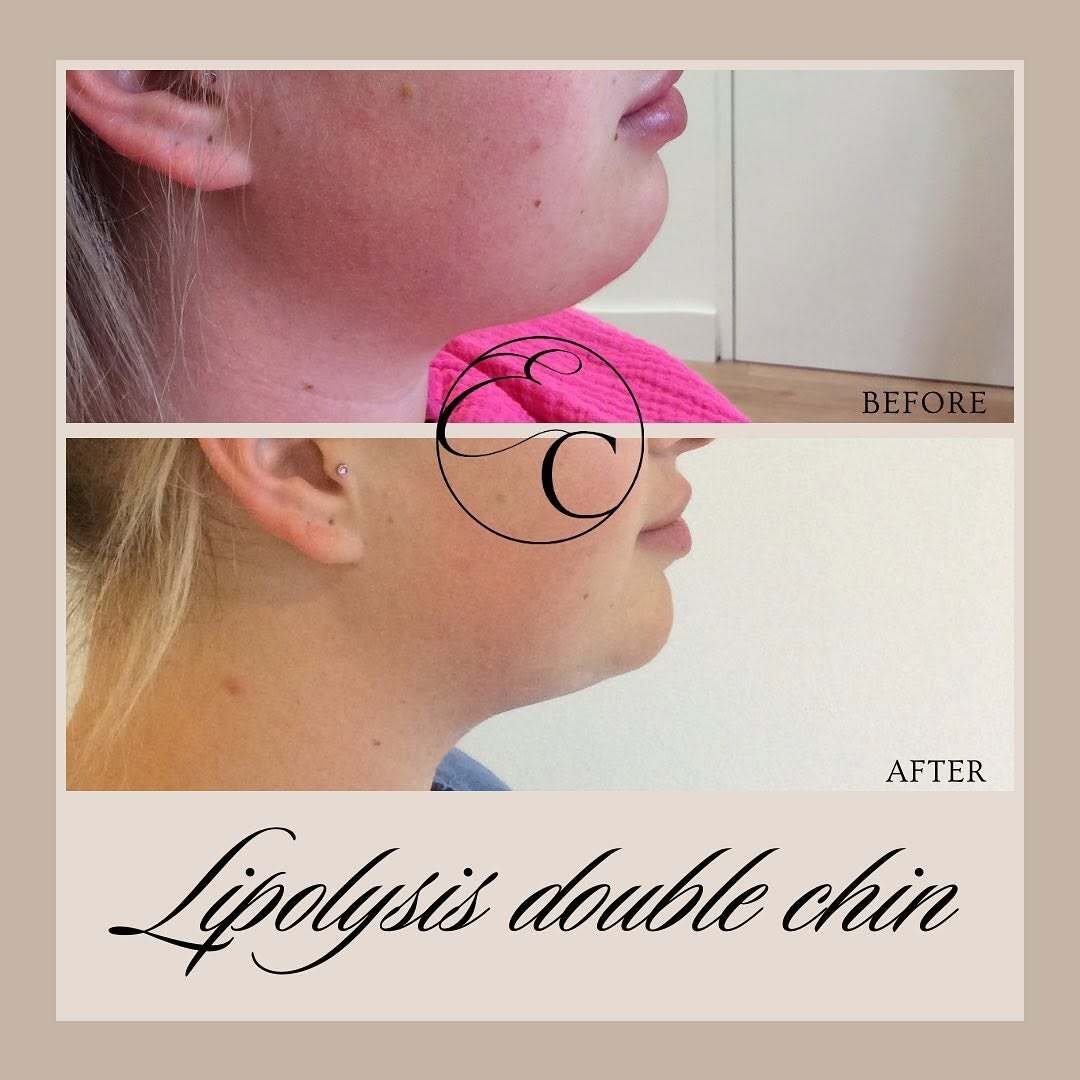
Some fat pockets never respond to diet or exercise. Learn why stubborn fat happens and how lipolyse helps reduce localized fat safely and naturally.
In 2024, several European media outlets highlighted the growing number of people turning to non-surgical fat reduction treatments after struggling with stubborn fat that would not disappear through exercise alone. One story that gained attention involved a woman who had lost nearly 10 kilograms through healthier eating and regular workouts, yet the fat under her chin stayed exactly the same. She explained how confusing it felt to work hard for months and still see one area refuse to change.
Her story connected with thousands of people because it reflects something many quietly experience every day.
You improve your diet. You start walking more. You spend time in the gym. Your body changes. Your clothes fit better. But one small pocket of fat still refuses to move no matter how disciplined you become.
For some people it is the double chin. For others it is the lower stomach, thighs, upper arms, or love handles. These stubborn areas often remain even after weight loss.
For years people blamed themselves for this problem. They assumed they were not trying hard enough. Modern science now shows that the issue is often biological rather than motivational.
This is exactly why treatments like lipolyse are becoming more popular in Belgium among people who want to target localized fat safely without surgery.
Your Body Does Not Burn Fat Evenly
One of the biggest myths about weight loss is the belief that the body burns fat equally from every area. In reality, fat loss is highly uneven and strongly affected by genetics, hormones, blood circulation, age, and metabolism.
Researchers have studied this for years.
A review published in the International Journal of Molecular Sciences explained that stubborn fat areas often have lower blood flow and different hormonal receptor activity compared to other parts of the body. This makes fat breakdown slower in specific regions.
In simple terms, your body decides where fat leaves first.
That is why two people can follow the exact same diet and exercise routine but lose fat from completely different places. One person may slim down around the stomach while another loses fat from the face or arms first.
This also explains why many healthy people continue struggling with one frustrating area despite eating well and exercising regularly.
Why Some Fat Cells Resist Exercise
Not all fat cells behave the same way. Some fat deposits contain more alpha-2 receptors, which slow down the release of stored fat. Areas with more beta receptors respond faster during exercise and calorie burning.
This difference matters more than most people realize.
Research shows that stubborn fat areas often contain a higher concentration of alpha receptors. These receptors are commonly found in places like the lower abdomen, hips, thighs, and under the chin.
Scientists have also found that resistant fat areas usually have poorer circulation. Blood flow plays an important role in transporting fatty acids so they can be used for energy. When circulation is lower, fat removal becomes slower.
This is not laziness. It is biology.
Researchers from Harvard Medical School have repeatedly explained that genetics strongly influence how and where the body stores fat. Some people are naturally more likely to carry fat around the jawline while others store it around the stomach or legs.
This is why even slim people can still develop a double chin or stubborn fat pocket.
The Fitness Industry Often Oversimplifies Fat Loss
Social media has made stubborn fat even more frustrating because many fitness influencers promote the idea that every body problem can be solved with enough discipline.
You have probably seen videos promising jawline exercises, face yoga, or targeted workouts that claim to burn fat from one exact area.
Science simply does not support this idea.
The American Council on Exercise clearly states that spot reduction is largely ineffective because the body burns fat systemically rather than from one chosen location.
That means doing hundreds of crunches will not directly remove lower belly fat. Jaw exercises will not specifically melt fat under the chin either.
Exercise absolutely supports overall health and fat loss. It improves metabolism, cardiovascular health, strength, and energy levels. But exercise cannot always remove localized fat deposits that are genetically resistant.
This is why many active people still struggle with stubborn fat pockets even when they maintain a healthy lifestyle.
Why Double Chin Fat Is So Difficult to Remove
Among all stubborn fat areas, the double chin remains one of the most common concerns for both men and women.
According to the American Society for Dermatologic Surgery, 73 percent of respondents in a large consumer survey said they were bothered by excess fat under the chin or neck.
That number is surprisingly high but understandable.
The jawline plays a major role in facial structure and definition. Even a small amount of extra fullness under the chin can change how the face looks in photos, video calls, or everyday conversations.
Several factors make this area especially difficult to improve naturally.
Genetics is one of the biggest reasons. Some people are simply predisposed to storing more submental fat, which is the medical term for fat beneath the chin.
Aging also contributes to the problem. As collagen and elastin levels decrease over time, the skin becomes less firm and the jawline starts losing definition.
Weight fluctuations can make the issue more visible as well. Repeated cycles of gaining and losing weight may change how fat settles around the face and neck.
Modern lifestyle habits also play a role. Long hours spent looking down at phones and laptops can weaken posture around the neck area, making fullness under the chin appear even more noticeable.
Why More People in Belgium Are Choosing Non-Surgical Treatments
In Belgium, more people are looking for aesthetic treatments that offer natural-looking results without surgery or long recovery periods.
This trend is visible across Europe.
Patients today usually want subtle improvements instead of dramatic cosmetic changes. They want to look fresher, healthier, and more defined while still looking like themselves.
According to the International Society of Aesthetic Plastic Surgery, more than 20.5 million non-surgical aesthetic procedures were performed worldwide in 2024. The organization also reported a 42.5 percent increase in aesthetic procedures over the last four years.
That growth reflects changing attitudes toward cosmetic care.
People no longer see treatments as something only celebrities choose. Many now view non-surgical treatments as part of modern self-care and confidence.
Lipolyse fits perfectly into this shift because it focuses on small targeted improvements rather than dramatic transformation.
What Exactly Is Lipolyse?
Lipolyse is a non-surgical treatment designed to reduce localized fat deposits that do not respond well to diet or exercise.
The treatment involves carefully placed injections into the fat layer beneath the skin. These injections help break down fat cells, which are then naturally processed and removed by the body over time.
Unlike traditional weight loss, lipolyse focuses on one specific treatment area instead of affecting the whole body.
This makes it particularly useful for people who are already near their healthy weight but still struggle with one resistant fat pocket.
Lipolyse is commonly used for areas such as the double chin, jawline, lower stomach, upper arms, thighs, and love handles where localized fat tends to remain despite regular exercise.
It is important to understand that lipolyse is not designed as a weight-loss shortcut. People usually get the best results when they already maintain relatively healthy habits and simply want help treating one stubborn area.
The Science Behind Lipolyse Is Well Researched
Many people assume aesthetic treatments are based more on trends than medical science. In reality, lipolyse is supported by years of clinical research.
One of the best-known ingredients used in fat-dissolving injections is deoxycholic acid. This substance naturally exists in the human body where it helps break down dietary fats during digestion.
Researchers later discovered that controlled injections of deoxycholic acid could help reduce localized fat deposits under medical supervision.
The U.S. Food and Drug Administration (FDA) approved injectable deoxycholic acid for moderate to severe submental fat after multiple clinical studies showed visible improvement.
One published phase III clinical study found that more than 58 percent of treated patients achieved noticeable improvement in under-chin fat compared with placebo groups.
Patient satisfaction scores were also significantly higher after treatment.
This matters because it shows the treatment is medically researched rather than simply promoted through marketing trends.
What a Lipolyse Session Usually Feels Like
One reason many patients choose lipolyse is because the treatment is relatively straightforward compared to surgery.
The process usually starts with a consultation where the practitioner evaluates the treatment area, discusses goals, and explains realistic expectations.
During the session, small injections are carefully placed into the targeted fat layer. Most people describe the feeling as mild pressure or temporary stinging rather than severe pain.
Treatment sessions are usually quick and often take less than 30 minutes depending on the size of the area being treated.
After the session, swelling is common and completely expected. Some people may also experience temporary redness, bruising, or tenderness for a few days.
These reactions happen because the body is naturally responding to the breakdown process inside the fat tissue.
Results appear gradually rather than overnight. The body needs time to remove the treated fat cells naturally. Most patients begin noticing visible improvement after several weeks.
That gradual change often creates a more natural-looking result.
Why Realistic Expectations Lead to Better Results
One of the most important parts of any cosmetic treatment is understanding what it can realistically achieve.
Lipolyse works best for smaller localized fat pockets. It is not meant to replace healthy habits or major weight-loss programs.
Good candidates are usually people who already live a relatively balanced lifestyle but feel frustrated by one resistant area that refuses to improve naturally.
This is why choosing an experienced clinic matters so much.
A qualified practitioner should explain how many sessions may be needed, what results are realistic, and whether the treatment is suitable for your body type and goals.
People should always be careful with clinics promising instant miracle transformations.
After spending hours of research comparing clinics, treatments, and patient experiences, many people realize that honest consultations are often more valuable than flashy advertising.
Safe aesthetic medicine should always focus on balance, safety, and natural-looking outcomes.
Understanding Stubborn Fat Changes the Conversation
For years people blamed themselves when certain fat areas would not disappear. They believed they were eating incorrectly or not exercising hard enough.
Modern research tells a very different story.
Science now clearly shows that genetics, hormones, blood circulation, receptor activity, and aging all influence how the body stores and burns fat.
This means stubborn fat is not always a sign of failure.
Healthy eating and exercise remain extremely important for long-term health, energy, and weight management. But they cannot always solve every localized fat deposit because the body does not burn fat evenly.
That understanding is changing how many people in Belgium now approach body confidence and aesthetic care.
Instead of endlessly fighting biology, more people are turning toward medically researched treatments like lipolyse to target the areas that healthy habits alone cannot fully improve.
For many patients, the goal is not perfection. The goal is finally seeing their reflection match the effort they already put into their health every single day.