Soil Compactor Machines Guide Earth, Roller & Road Compaction Solutions
By pai machines 12-02-2026 447
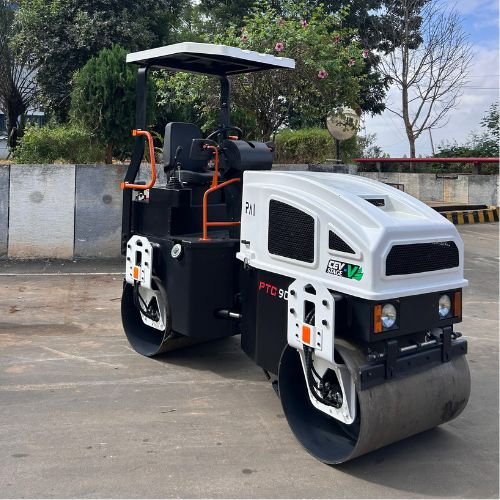
Why Soil Compaction is the Bedrock of Modern Infrastructure
In the world of civil engineering, the integrity of any structure is only as reliable as the ground beneath it. Soil compaction is the critical process of densifying soil by removing air voids, ensuring a solid foundation for roads, bridges, and skyscrapers. Without the right compaction machinery, even high-grade asphalt or reinforced concrete will eventually succumb to shifting ground and structural failure.
From heavy-duty roller compactors on national highways to mini compactors in tight urban corridors, choosing the right equipment is the difference between a project that lasts decades and one that requires constant repair.
In this professional guide, we cover:
· The fundamental mechanics of soil compactors.
· A breakdown of roller compactors and earth compactors.
· The rising demand for mini roller compactors in urban spaces.
· Critical factors influencing soil compactor price.
· How to match machinery to your specific site requirements.
What is a Soil Compactor?
A soil compactor is a high-performance construction vehicle designed to increase the density of loose materials such as soil, gravel, or silt — through mechanical force. By applying pressure and vibration, these machines improve:
1. Load-Bearing Capacity: Allowing the ground to support heavier structures.
2. Settlement Resistance: Minimizing the risk of “sinking” over time.
3. Stability: Reducing permeability to prevent water damage and frost heaving.
While the term earth compactor is frequently used for natural ground preparation, “soil compactor” serves as the broader industry standard for equipment used in both sub grade and base-layer preparation.

Primary Categories of Compaction Machinery
1. The Soil Compactor Roller (Heavy-Duty)
These are the workhorses of large-scale infrastructure. Equipped with massive steel drums, soil compactor rollers utilize a combination of static weight and high-frequency vibration to achieve deep compaction.
Best For: Highways, dam construction, and large industrial foundations.
Soil Types: Highly effective on granular soils like sand and gravel.
2. The Road Roller Compactor
Specifically engineered for the paving industry, a road roller compactor focuses on achieving a seamless, high-density finish on asphalt surfaces.
Key Benefit: Ensures a smooth ride quality and prevents the asphalt from cracking under heavy traffic loads.
Applications: Airport runways, municipal roads, and parking lots.

3. Mini Compactors & Mini Roller Compactors
As urban development becomes more congested, mini compactors have become indispensable. These machines offer precision in “restricted-access” areas where a full-sized roller would be impractical.

Advantages: Low transport costs, exceptional maneuverability, and lower fuel consumption.
Ideal For: Trench backfilling, residential landscaping, and sidewalk paving.
Earth Compactor vs. Soil Compactor: Understanding the Nuance
While often used interchangeably in casual conversation, the distinction usually lies in the application:
Earth Compactors: Generally refers to equipment used for “raw” land compacting natural dirt and fill material.
Soil Compactors: A technical term encompassing the entire range of machinery used for engineered soil layers, including treated soils and sub-base materials.
Investment Analysis: Understanding Soil Compactor Price
When evaluating the soil compactor price, it is vital to look beyond the initial sticker cost. The total cost of ownership (TCO) is influenced by:
Factor
Impact on Cost
Operating Weight
Heavier drums provide more centrifugal force but carry a higher price tag.
Technology
Features like “Intelligent Compaction” (GPS and moisture sensors) increase upfront costs but save time.
Fuel Efficiency
Modern Tier 4 or Stage V engines may cost more but offer significant long-term savings.
After-Sales Support
Reliable brands with available spare parts hold their value better (Resale Value).
Selecting the Right Machine for Your Project
To maximize your ROI, consider these three variables before procurement:
Soil Composition: Cohesive soils (clay) often require “pad-foot” drums, while granular soils (sand) require smooth-drum vibratory rollers.
Lift Thickness: How deep is the layer you need to compact? Larger roller compactors can handle thicker “lifts,” reducing the number of passes required.
Site Constraints: For utility work or narrow alleys, a mini roller compactor is a logistical necessity.
The Future of Compaction: Efficiency and Sustainability
The next generation of compaction machinery is focused on “doing more with less.” We are seeing a shift toward electric-drive mini compactors for zero-emission indoor w