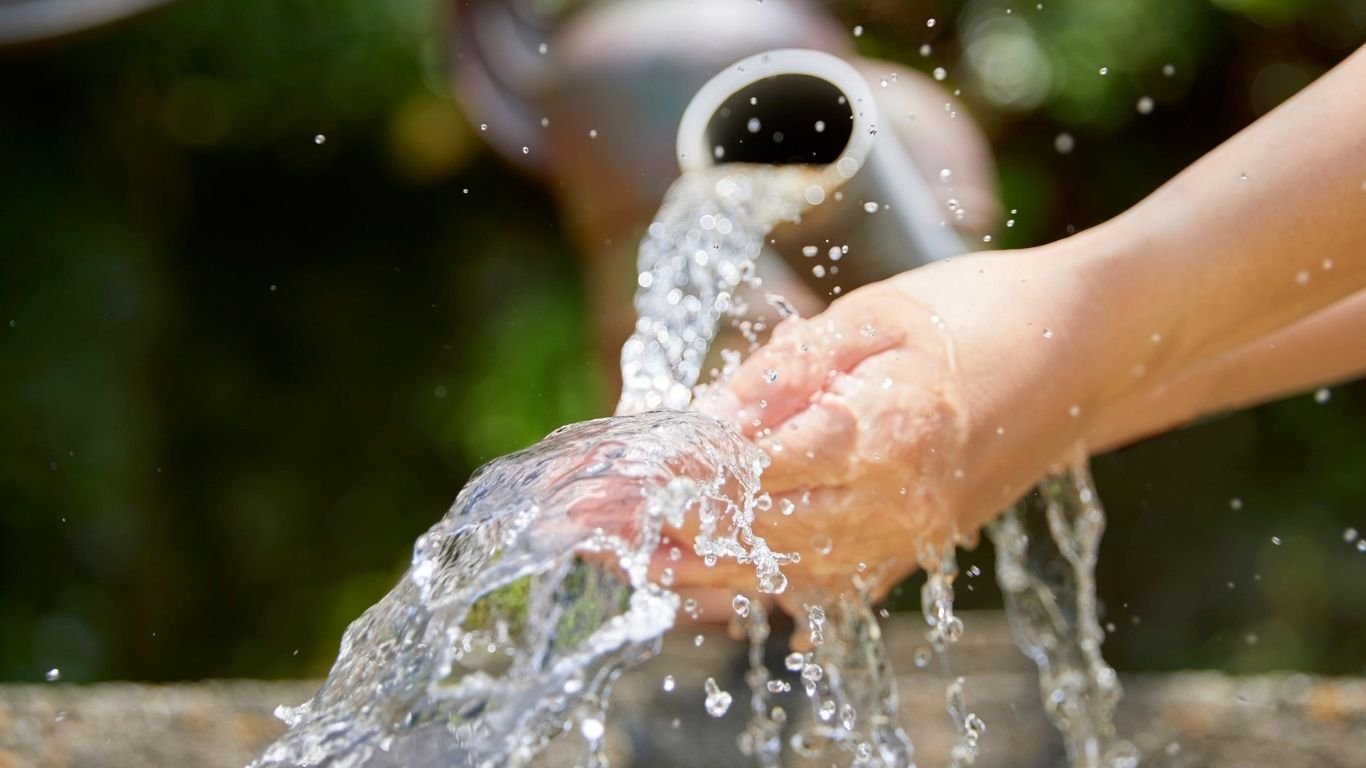
In an era where sustainability, technology, and home efficiency intersect, smart home gadgets have emerged as powerful tools for monitoring water consumption. These devices not only help reduce utility bills but also safeguard valuable resources for future generations. As water scarcity continues to affect communities globally, homeowners are increasingly turning to smart water solutions to make informed, eco-friendly decisions.
Why Monitoring Water Use Matters
Water is one of the most essential resources, yet it is often taken for granted. According to the U.S. Environmental Protection Agency (EPA), the average household wastes nearly 10,000 gallons of water annually due to leaks, inefficient fixtures, and unmonitored consumption. By tracking usage in real time, homeowners can detect leaks early, optimize consumption patterns, and avoid unnecessary expenses.
Beyond the environmental benefits, precise water monitoring also contributes to infrastructure protection. Undetected leaks can cause extensive structural damage, leading to costly repairs. With modern technology, however, these risks can be minimized effectively. This is where reliable services like Sweet Water Supply play a vital role in ensuring consistent, clean water delivery for smart systems to function optimally.
Key Features of Smart Water Monitoring Gadgets
Smart water monitoring devices have evolved significantly in recent years. Today’s gadgets combine sensor technology, wireless connectivity, and data analytics to offer homeowners unparalleled control over their water use.
1. Real-Time Usage Tracking
One of the standout features of modern gadgets is real-time water usage tracking. These devices provide homeowners with detailed insights into how much water is being used, where, and when. This granular data helps identify patterns—for instance, high morning usage during showers or excessive irrigation during certain hours—and allows for immediate corrective action.
2. Leak Detection and Alerts
Even a small leak can waste hundreds of gallons per month. Smart leak detectors identify irregular flow patterns and send instant alerts via mobile apps. Some systems are even equipped with automatic shut-off valves that can halt water flow when a significant leak is detected, preventing damage and conserving water simultaneously.
3. Integration with Smart Home Ecosystems
Compatibility with popular smart home platforms such as Google Home, Amazon Alexa, and Apple HomeKit has made water monitoring systems more convenient than ever. Users can receive voice notifications, control water systems remotely, or set automated routines—for example, turning off irrigation during rain—to conserve water without manual intervention.
4. Detailed Consumption Reports
Monthly or weekly consumption reports allow homeowners to track progress and set goals for water conservation. Many devices also compare current usage to historical data, offering practical insights into how small behavioral changes can result in substantial savings.
Popular Smart Gadgets for Water Monitoring
Several brands and devices are making waves in the water tech space. Here are a few notable examples:
a. Flume Smart Water Monitor
The Flume system attaches to your existing water meter without plumbing modifications. It uses wireless sensors to deliver real-time data to your smartphone, helping you track both indoor and outdoor water usage effortlessly.
b. Phyn Plus Smart Water Assistant
Phyn Plus goes beyond basic monitoring by using pressure wave analysis to detect leaks anywhere in your plumbing system. It can automatically shut off your water supply in case of a major leak, providing an extra layer of security for homeowners.
c. Moen Flo Smart Water Monitor and Shutoff
Moen’s Flo system combines AI-powered analytics with a robust shutoff valve. It offers precise leak detection, consumption breakdowns, and remote control capabilities, making it ideal for modern households focused on sustainability and efficiency.
How Smart Monitoring Reduces Costs
1. Preventing Costly Damage
Leaking pipes, undetected drips, or malfunctioning appliances can result in thousands of dollars in repairs. Early detection through smart gadgets allows homeowners to act before minor issues escalate.
2. Lowering Monthly Utility Bills
By identifying wasteful habits—such as overwatering lawns or leaving faucets running—smart systems encourage better consumption behavior. Over time, this can significantly lower monthly water bills.
3. Extending Appliance Lifespan
Many household appliances, including water heaters, dishwashers, and washing machines, operate more efficiently with consistent water pressure and clean supply. By preventing scale buildup and leaks, smart monitoring indirectly extends the lifespan of these appliances.
Tips for Choosing the Right Smart Water Monitor
When selecting a water monitoring device, several factors should be considered to ensure optimal performance:
Compatibility with existing plumbing and smart home systems.
Ease of installation, particularly for homeowners who prefer DIY setups.
Accuracy of data collection and reporting.
Mobile app interface and ease of use.
Additional features such as automatic shutoff or integration with irrigation systems.
It’s also beneficial to look for devices with strong customer support, regular software updates, and reliable data security measures to protect user information.
The Role of Smart Monitoring in Sustainable Living
Water scarcity is a growing global concern. The United Nations predicts that by 2030, global water demand will exceed supply by 40%, emphasizing the urgent need for conservation and efficient management. Smart water monitoring systems empower households to take responsibility for their consumption, contributing to larger sustainability goals.
Moreover, these technologies support community resilience. When many households adopt smart water practices, collective savings amplify, benefiting local water infrastructure and ecosystems. Municipalities and utility companies are also increasingly offering rebates and incentives to encourage homeowners to adopt smart water solutions.
Smart home gadgets that monitor water use are more than just tech innovations—they represent a practical, forward-thinking approach to resource management. By integrating these devices into daily routines, homeowners can achieve significant cost savings, prevent damage, and promote sustainable water practices.
Whether through leak detection, real-time tracking, or automated control, smart water monitoring offers measurable value. As technology continues to evolve, these systems will become even more precise and accessible, shaping the future of water conservation and household efficiency