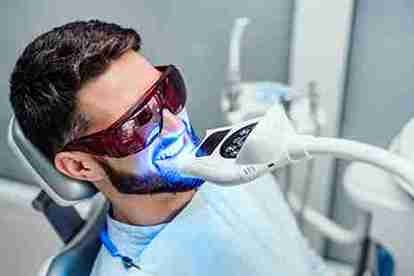
Teeth whitening has become one of the most popular cosmetic dental treatments, offering a quick and effective way to lift stubborn stains and brighten the smile. While it delivers impressive results, sensitivity is a common side effect experienced by many people. This temporary discomfort can occur immediately after treatment or develop over the next 24 hours, leaving teeth feeling tender when exposed to hot, cold, sweet or acidic foods. The good news is that post-whitening sensitivity is completely normal and manageable with the right care. This guide explores simple, practical methods to soothe tooth sensitivity and protect your enamel without compromising the brightness of your newly whitened smile.
Why Tooth Sensitivity Happens After Whitening
Understanding why tooth sensitivity occurs can make whitening treatments easier to manage. Peroxide-based formulas enter the enamel to break down deep stains, temporarily opening tiny pores and exposing the dentine layer beneath. This exposure allows sensations to reach the nerves more easily, causing heightened sensitivity, especially in those with thinner enamel or previous dental concerns.
Main factors contributing to sensitivity include:
- Temporary pore opening in the enamel
- Dentine exposure increasing nerve response
- Naturally thin enamel or gum recession
- Frequent use of strong home whitening kits
- Lack of professional guidance during treatment
People undergoing aesthetic procedures such as teeth whitening Warrington should monitor their sensitivity and follow proper aftercare. Those also scheduling treatments like Laser Hair Removal in Warrington should allow adequate recovery time to prevent overwhelming their routine and maintain long-term comfort and oral health.
Immediate Relief Methods
There are several simple ways to soothe sensitivity right after whitening. These methods are easy to follow and provide quick relief:
1. Use Desensitising Toothpaste
Toothpaste formulated for sensitive teeth contains active ingredients such as potassium nitrate, which helps calm nerve signals, and sodium fluoride, which strengthens enamel. Using desensitising toothpaste twice daily can significantly reduce discomfort. For best results, start using it a week before whitening and continue for several days afterwards.
2. Apply a Fluoride Gel or Rinse
Fluoride strengthens weakened enamel and helps block microscopic pathways leading to the nerves. A fluoride gel applied at home or a fluoride rinse recommended by your dentist can offer long-lasting relief. This step is especially helpful for individuals who frequently undergo Teeth Whitening Warrington, as regular fluoride exposure can minimise recurring irritation.
3. Switch to a Soft-Bristled Toothbrush
Aggressive brushing can worsen sensitivity. A soft-bristled toothbrush reduces friction and protects vulnerable enamel. Make gentle circular motions rather than applying heavy pressure.
4. Avoid Trigger Foods Temporarily
Some foods and drinks can intensify sensitivity:
- Very cold drinks or ice
- Hot tea, coffee or soup
- Citrus fruits and juices
- Fizzy drinks
- Sweet snacks
Safer alternatives include lukewarm beverages, yoghurt, bananas, mashed potatoes and plain water. These gentler options help your teeth recover without unnecessary discomfort.
Home Remedies for Natural Relief
Alongside dental products, several home remedies offer soothing comfort:
Saltwater Rinse
A warm saltwater rinse reduces inflammation and disinfects the mouth. Dissolve half a teaspoon of salt in a cup of warm water and gently rinse your mouth twice daily.
Clove Oil or Sensitive Gum Gel
Clove oil contains natural analgesic properties that help numb irritated nerves. Gently dab a small amount on sensitive areas. Over-the-counter sensitive gum gels from pharmacies can also help ease discomfort.
Cold Compress for Gum Irritation
If your gums feel irritated after whitening, placing a cold compress on the outside of your cheek can help soothe swelling and tenderness.
Pause Whitening for a Few Days
If you are using at-home whitening trays or strips, give your teeth time to recover. Avoid applying additional whitening products until sensitivity has fully settled.

Modify Your Whitening Routine for Less Sensitivity
If you are prone to sensitivity, adjusting your whitening routine can help prevent discomfort in future sessions.
Use Lower-Strength Whitening Gels
High-concentration peroxide gels may cause more sensitivity. Ask your dentist whether a lower-peroxide formula would be more suitable.
Reduce Wear Time for Whitening Trays
If your trays are worn for long periods, shorten the duration. Even reducing by 15 minutes can make a noticeable difference.
Increase the Time Between Treatments
Spacing your whitening sessions further apart allows your enamel to recover, especially if you also undergo cosmetic services like laser hair removal in Warrington, which require their own timeframe for aftercare.
Choose In-Clinic Whitening for Better Control
Professional treatments include desensitising products and precise application, ensuring your whitening is effective while minimising sensitivity.
When Sensitivity Indicates Another Issue
While post-whitening sensitivity is usually mild and temporary, stronger or persistent pain may indicate an underlying dental concern. Warning signs include:
- Sensitivity lasting longer than 48–72 hours
- Sharp, spontaneous pain unrelated to hot or cold foods
- Discomfort concentrated in one tooth
- Signs of decay, cracks, gum recession or infection
- Persistent throbbing or swelling
If you notice any of these symptoms, a dentist should assess your teeth. Treating underlying issues ensures you can safely continue whitening and avoid complications.
Professional Treatments for Sensitivity Relief
If sensitivity persists, dentists offer specialised solutions:
Fluoride Varnish Treatment
A high-strength fluoride varnish is applied directly to the enamel to strengthen the tooth surface.
In-Clinic Desensitising Agents
These seal the dentine tubules and block nerve pathways, offering immediate relief.
Custom Whitening Trays
Dentists create tailored trays that distribute whitening gel evenly, reducing risk of gum irritation and sensitivity.

Laser Whitening with Reduced-Sensitivity Technology
Some modern laser systems include built-in cooling technology to minimise heat and discomfort during treatment.
Long-Term Prevention Tips
To keep sensitivity under control and maintain a bright smile:
- Brush twice daily with a fluoride toothpaste
- Avoid abrasive whitening toothpastes
- Limit acidic drinks such as fizzy drinks or lemon water
- Use a straw to reduce contact with enamel
- Schedule regular dental check-ups
These small changes help strengthen enamel and reduce the likelihood of future sensitivity.
Conclusion
Sensitivity after whitening is common, but with a few simple adjustments and proper aftercare, any discomfort can be effectively controlled. By choosing the right products, avoiding trigger foods, and following a gentle routine, you can enjoy a bright smile without unnecessary discomfort. If sensitivity persists, seek professional advice to ensure your teeth remain healthy and strong. Thank you for choosing Warrington for your oral care and cosmetic treatment needs.