Sign Source Solution: How to Plan Signage for a New Business Opening
By Sign Source Solution 28-09-2026 3
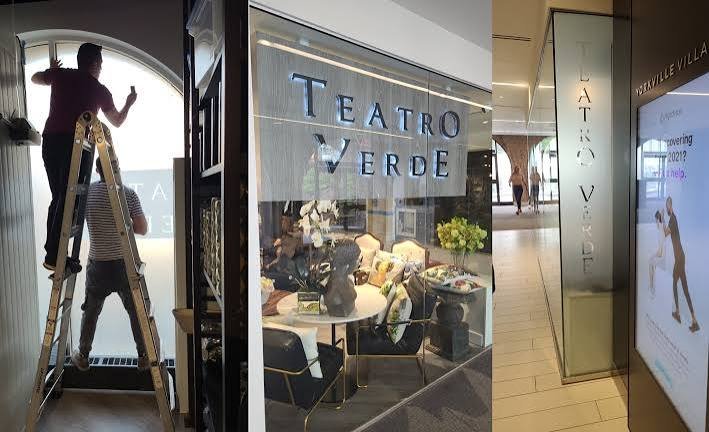
Opening a new business involves dozens of decisions, from selecting a location and preparing the interior to creating marketing materials and planning the customer experience. Signage deserves attention early in that process because it affects how customers identify, locate, and remember the new business.
A sign is not simply something installed outside a finished building. Its size, position, materials, lighting, design, and installation requirements can affect other parts of a construction or renovation project.
For entrepreneurs preparing to open a business in Toronto, Vaughan, Concord, or surrounding communities, planning signage early can make the process more organized and help prevent last-minute design or installation challenges.
When Should a New Business Start Planning Its Signs?
Signage planning should begin well before opening day.
Waiting until the final stages of construction can create unnecessary pressure because exterior signs may require measurements, design approvals, engineering, permits, fabrication, and installation.
The first step is to identify every place where customers may need visual information. This can include the main building exterior, storefront, parking area, entrance, reception space, and interior pathways.
A simple signage checklist can include:
- Primary exterior identification
- Building or storefront signage
- Parking information
- Entrance identification
- Directional signage
- Reception or lobby branding
- Safety and regulatory signs
- Promotional or temporary graphics
Not every business needs every category, but identifying requirements early creates a clearer project scope.
What Should You Consider Before Designing a Building Sign?
The building itself should influence the sign design.
Businesses should examine the available wall area, architectural features, entrance location, surrounding structures, viewing distance, and natural sightlines.
For example, a sign installed above a storefront may need to work within a specific horizontal space. A sign mounted on a large commercial building may require different proportions and construction considerations.
The goal is not simply to make the sign larger. The design should fit the property while remaining visible to the intended audience.
For businesses planning custom building signs, materials and mounting methods should also be considered during the early design stage.
How Do You Choose the Right Type of Exterior Sign?
Different properties have different signage needs.
Channel letters can provide dimensional branding on building facades. Illuminated cabinets can provide a strong visual presence, while pylon signs can communicate with people approaching a commercial property from a greater distance.
A monument sign may be more appropriate when a property requires a lower-profile architectural sign.
The right choice depends on the property, audience, viewing distance, branding requirements, and local conditions.
Businesses should avoid choosing a sign solely because it looks attractive in a photograph. The physical environment where the sign will be installed is equally important.
Why Does Sign Visibility Matter Before Opening?
A new business needs to become recognizable in its local environment.
Customers may already pass the location every day without knowing what business will operate there. Exterior signage can help create recognition before and after opening.
Visibility is particularly important for businesses that depend on local traffic, walk-in customers, appointments, or physical visits.
A roadside sign can identify the property, while a building sign can help customers recognize the specific business once they arrive.
In larger commercial developments, pylon signs Toronto businesses use can also help identify multiple tenants or destinations within a property. Pylon signs are commonly freestanding and can be designed with multiple panels or sections.
What Information Should Be Ready for the Sign Designer?
A business owner should ideally provide the logo, brand colours, preferred typography, business name, service description, and any existing brand guidelines.
It is also useful to explain the intended audience and location.
For example, a medical office may want a calm and professional visual identity, while a retail business may require stronger promotional visibility.
Businesses should also provide photographs, architectural drawings, measurements, or site information when available.
The more context the designer has, the easier it becomes to develop a sign that fits the property and communicates the intended message.
Should a New Business Use the Same Design Everywhere?
Consistency can make a new business appear more established and recognizable.
The exterior building sign, window graphics, reception sign, directional signs, and promotional graphics do not need to look identical. However, they can share colours, typography, logos, and visual elements.
This creates a connected customer journey.
Someone might first see the business name on a roadside sign, recognize it on the building facade, and then see the same visual identity inside the reception area.
That repeated exposure can help reinforce the brand.
What About Permits and Installation?
Businesses should determine local signage requirements before finalizing a design.
Depending on the property and sign type, permits, engineering documentation, landlord approval, or other permissions may be required.
Sign installation can also involve structural considerations. The building surface, mounting system, sign weight, electrical requirements, and environmental conditions may all affect installation.
Professional signage providers may assist with permit requirements and installation planning. Sign Source Solution states that its installation service includes permit support, communication with municipalities, and engineering approval where requested by the city.
Planning these requirements early can reduce the risk of delays close to the business opening.
How Can a New Business Make Its Sign More Memorable?
Memorability does not necessarily require an elaborate design.
A recognizable logo, strong colour contrast, distinctive lettering, and a clear business name can be enough to create a visual identity.
Businesses should avoid filling the sign with too much information. A customer should be able to understand the primary message quickly.
The most important question is: what should someone remember after seeing the sign?
If the answer is the business name, that name should receive the strongest visual emphasis.
Should You Plan Temporary Signage During Construction?
Temporary signs can help communicate important information before the permanent signage is installed.
A construction banner, temporary storefront graphic, or directional sign may tell customers what business is coming, where to enter, or when the location will open.
This can be particularly useful when a business is renovating an existing space.
Temporary signage should still follow the brand identity so that pre-opening communication contributes to recognition rather than creating a completely separate visual identity.
How Can a Sign Company Help During a New Business Launch?
Working with a signage provider early can help business owners understand what is possible within their property and budget.
The process can involve consultation, site assessment, design, material selection, fabrication, permitting, and installation.
This is especially useful when several sign types are required. Instead of treating every sign as an isolated project, businesses can develop a coordinated signage system.
Sign Source Solution describes a process covering design, manufacturing, installation, permits, and signage planning for new businesses and established organizations.
Frequently Asked Questions
How early should I order business signs before opening?
Businesses should start as early as practical because design, approvals, permitting, fabrication, and installation can require multiple stages.
What is the most important sign for a new business?
The primary exterior identification sign is often one of the most important because it helps customers identify the business from outside the property.
Do all business signs require permits?
Requirements vary according to the sign, property, municipality, and installation conditions. Businesses should verify local requirements before fabrication.
Can one company handle several types of business signs?
Many commercial sign providers offer multiple signage services, allowing businesses to coordinate exterior, interior, directional, and promotional signage through one project.
Final Thoughts
Signage should be treated as part of the business opening strategy rather than a final decoration added after everything else is complete.
By planning the sign types, messages, materials, placement, approvals, and installation requirements early, business owners can create a more consistent visual experience and avoid unnecessary last-minute decisions.
A well-planned signage system can help a new business become easier to identify, easier to find, and more recognizable within its local community.
Tags : sign company business marketing