Shingle Repair: How to Catch Roof Damage Before It Becomes a Bigger Problem
By Absolute Restorations 28-09-2026 3
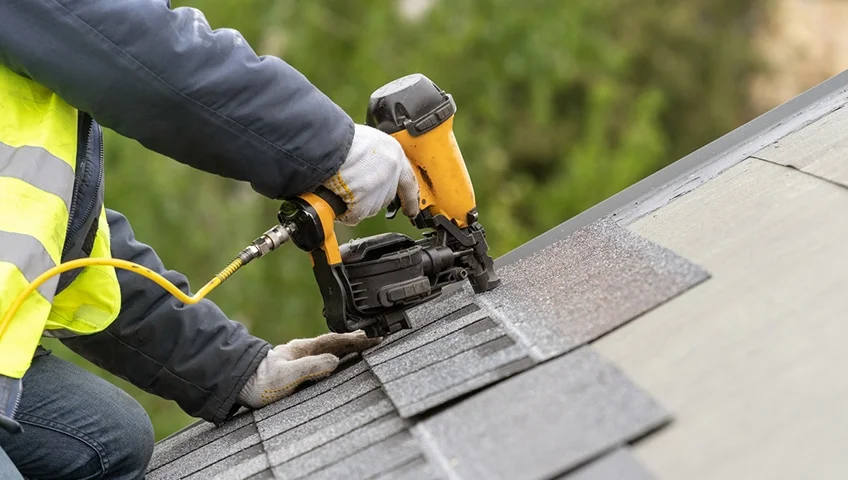
Shingle Repair can help address isolated roof damage before it leaves a home more exposed to rain, wind, and moisture. In Milwaukee, WI, residential roofs experience demanding seasonal conditions, so a problem that looks minor from the ground can deserve closer attention.
Picture this: a strong storm moves through overnight, and the next morning you find a piece of roofing material in the yard. There is no obvious leak inside, so it may be tempting to ignore it. Another homeowner might notice a few curled edges or unusual granules in the gutter and assume they are simply signs of an older roof. In both situations, those small clues can be worth investigating.
The challenge is that roofing damage does not always become visible inside the house immediately. Moisture can enter through a compromised area, move beneath the surface, and eventually reach insulation, decking, ceilings, or walls. Finding the problem early gives homeowners a better opportunity to understand what is happening before additional damage develops.
What Visible Roof Damage May Be Telling You
Roof shingles form one of the home's primary barriers against the elements. When they become cracked, displaced, or missing, the protective surface is no longer performing as intended.
Homeowners can watch for several warning signs:
- Missing pieces following windy weather
- Cracked, split, or torn surfaces
- Shingles that appear raised or displaced
- Curling or buckling along exposed areas
- An unusual amount of granules in gutters
- Dark spots or areas that look noticeably different
- Damaged flashing around chimneys, vents, and skylights
- New water marks on ceilings or upper walls
- Branches or other debris that have struck the roof
A visible defect does not necessarily reveal the full extent of the problem. For example, a missing shingle may have damaged nearby material when it was pulled away by wind. A small opening may also allow water beneath adjacent sections.
That is why the surrounding area deserves attention rather than focusing only on the most obvious spot.
Why Delaying a Small Roofing Problem Can Backfire
A roof is exposed to the weather every day. Once its protective surface has been compromised, continued exposure can make the affected area increasingly vulnerable.
Rain can reach beneath displaced material. Strong wind can catch an already weakened edge and enlarge the affected section. Freeze-and-thaw conditions can add stress during colder months, while repeated storms may create additional opportunities for water intrusion.
There is also a reason interior leaks can be misleading. Water does not always travel straight downward from the point where it enters. It may move along decking or other components before appearing inside the living space.
As a result, the ceiling stain a homeowner sees may be some distance from the exterior source. Addressing visible warning signs before an interior problem appears can make the situation easier to evaluate.
When a Small Roof Repair May Be Enough
Discovering damaged shingles does not automatically mean the entire roof needs to be replaced. When the affected area is limited and the surrounding system remains in good condition, a focused repair may be a reasonable option.
Several details can influence that decision:
- How much material has been affected
- Whether neighboring sections show deterioration
- The age and overall condition of the roof
- Whether moisture has reached the underlying layers
- The roof's previous repair history
- Whether recent weather caused sudden damage
The availability of compatible materials can also matter, especially on an older roof. New shingles may differ slightly in appearance from weathered ones even when they are the same general type.
A professional evaluation can help determine whether the issue is genuinely isolated or part of a larger pattern.
How Milwaukee's Weather Can Put Roofs to the Test
Residential roofing in Milwaukee has to perform through very different seasons. Winter can bring snow, ice, and freezing temperatures, while warmer months may bring heavy rainfall, hail, and strong winds.
Those conditions can affect roofing materials in different ways. Wind can lift or remove shingles. Hail may leave impact marks that are not immediately obvious from ground level. Snow and ice can add prolonged exposure during winter, while repeated temperature changes can place stress on aging materials.
The result is not necessarily the same for every home. Roof age, installation quality, ventilation, maintenance, material type, and previous weather exposure all play a role.
For homeowners, the practical takeaway is simple: unusual changes in the roof deserve attention, particularly after significant weather.
What Homeowners Should Do After Severe Weather
The safest first step after a major storm is a visual check from the ground. There is no need to climb onto the roof to determine whether something looks wrong.
Look around the property for:
- Shingles or roofing pieces on the ground
- Fallen branches or other impact debris
- Sections that appear uneven
- Exposed areas where roofing material seems to be missing
- Damaged gutters or visible flashing
- Signs of water entering the home
If the roof has an opening, additional weather exposure can increase the risk of further damage. In situations where permanent work cannot be completed immediately, emergency roof tarping may provide temporary protection.
Homeowners can also take photographs of safely visible damage for their records. If an insurance claim is being considered, the policyholder should review the specific terms of the policy rather than assuming a particular repair will automatically be covered.
What to Look For in a Roofing Contractor
The first contractor who answers the phone is not necessarily the right person for the job. A homeowner should have enough information to understand what was found and why a particular solution is being recommended.
Before approving work, ask whether the roofing professional:
- Will inspect the affected area and surrounding materials
- Clearly explains the observed condition
- Identifies the likely source of the problem
- Distinguishes isolated damage from widespread deterioration
- Provides a clear description of recommended work
- Has experience with residential roofing systems
- Can assist with storm-related concerns
- Offers temporary protection when an exposed area requires it
It is also reasonable to ask questions about materials, the expected scope of work, and whether additional areas should be evaluated.
A clear inspection and straightforward explanation can give homeowners greater confidence in understanding their options.
Why Experience Matters When Assessing Roof Damage
Two roofs can have similar-looking damage but require very different solutions. A loose shingle on a relatively well-maintained roof is not necessarily the same situation as repeated missing shingles on an aging system with a history of leaks.
Experience helps a roofing professional look beyond the immediately visible defect and consider the condition of the surrounding components.
Absolute Restorations brings more than 28 years of roofing and restoration experience to residential property projects. Its services include roof inspections, roof repairs, roof replacement, storm damage assistance, emergency roof tarping, and ice dam removal.
This broader restoration background can also be useful when roofing concerns are accompanied by water intrusion. Instead of treating an exterior defect as an isolated cosmetic issue, the assessment can consider how the roof condition may relate to problems elsewhere in the property.
Repair or Replacement? Start With the Actual Condition
One of the hardest decisions for a homeowner is knowing whether a damaged roof still makes sense to repair.
There is no single rule that applies to every property. A roof with limited damage and healthy surrounding materials may be suitable for targeted work. A system with widespread deterioration, recurring leaks, extensive storm impact, or seriously compromised underlying components may require a more comprehensive approach.
The age of the roof is also relevant, but age alone should not determine the outcome. A relatively old roof may still have areas that are performing adequately, while a newer roof can experience localized storm damage.
Rather than choosing based solely on appearance or assumptions, homeowners can start with an inspection that establishes what is actually happening.
Simple Habits That Can Help Protect Your Roof
Roof maintenance does not have to be complicated. Homeowners can make a habit of checking the property after major storms and paying attention to changes they can safely see from the ground.
Keep gutters and downspouts clear so rainwater has a proper path away from the home. Watch for new ceiling stains, unexplained dampness, or pieces of roofing material around the property. If a roof has experienced repeated problems, consider having its condition professionally reviewed rather than waiting for another leak.
These simple steps do not eliminate the possibility of roofing damage, but they can help homeowners recognize potential concerns earlier.
FAQs About Shingle Damage and Roof Repairs
1. What are the most common signs of damaged shingles?
Missing, cracked, curled, lifted, or displaced shingles are common warning signs. Excessive granules in gutters, visible impact marks, and interior water stains may also justify a professional inspection.
2. Can a missing shingle cause a leak?
Yes. A missing shingle can expose the layers beneath it to rain and moisture. Water may travel beneath the surface before becoming visible inside the house.
3. Should I climb onto my roof to check for storm damage?
It is safer to inspect the roof from the ground and have a professional perform a closer assessment. Walking on a damaged or wet roof can create unnecessary fall and property risks.
4. Can hail damage be difficult to see?
Yes. Some hail impacts are not obvious from the ground. A professional inspection can help identify damage that may not be apparent during a basic visual check.
5. Can an older roof still receive a small repair?
Potentially. The decision depends on the condition of the surrounding materials, the extent of deterioration, the roof's history, and the availability of suitable replacement materials.
6. How do I know whether a repair is preferable to replacing the roof?
The condition and extent of the damage are important factors. Limited deterioration may allow for targeted work, while widespread problems or an aging system with recurring failures may call for a broader evaluation.
7. What should I do if a storm leaves part of my roof exposed?
Avoid climbing onto the roof and arrange for a professional assessment. If the opening cannot be permanently addressed immediately, temporary protection such as emergency tarping may help reduce additional weather exposure.
Final Thoughts
A missing or damaged shingle may look insignificant, but it can signal a weakness in the roof's protective surface. Paying attention to small changes, especially after severe weather, gives homeowners an opportunity to investigate problems before moisture and repeated exposure make them more complicated. For Milwaukee homeowners, a professional inspection can provide a clearer understanding of whether the situation calls for a limited fix or a more extensive solution.
Schedule Professional Shingle Repair in Milwaukee
If your home has missing shingles, storm-related damage, recurring leaks, deteriorating roofing materials, or an exposed area after severe weather, Absolute Restorations can assess the condition of your roof and explain the available next steps. With more than 28 years of roofing and restoration experience, the team provides inspections, roof repairs, replacement services, storm damage assistance, emergency roof tarping, and ice dam removal.
Contact Absolute Restorations today to schedule a professional roof inspection and get a clear, condition-based recommendation for your home.
Tags : Roofing contractor Shingle Repair