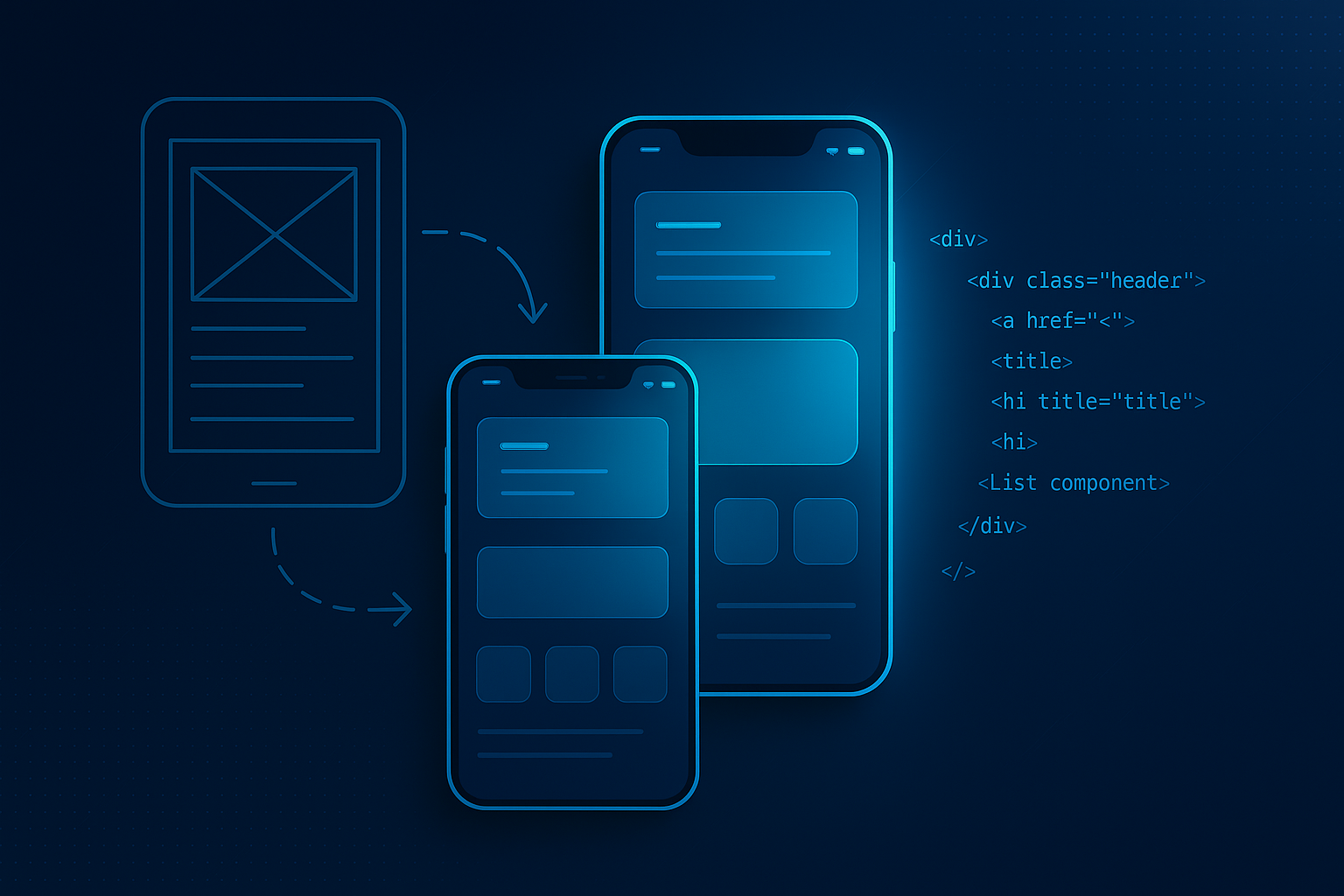
In today’s fast-paced digital landscape, innovation moves faster than ever. Businesses are realizing that to truly stay ahead, they must think beyond standalone mobile or web platforms. Instead of isolating mobile applications from enterprise systems, forward-thinking organizations are embracing unified development where mobile and backend teams collaborate as one cohesive unit.
The Shift Toward Unified Development
For years, many organizations treated iOS apps as secondary products — sleek but separate from their core business software. However, this separation often led to inconsistencies, data silos, and missed opportunities for growth. The modern approach integrates iOS and enterprise systems to deliver fluid, interconnected user experiences.
By combining the design precision of mobile app engineering with the structural discipline of software development services, businesses achieve a synchronized ecosystem. This harmony allows data to flow seamlessly across devices, ensuring that customers and employees alike experience consistent performance, design, and functionality.
The Power of Unified Architecture
When iOS applications are built alongside the core backend and web platforms, the result is a unified digital architecture that minimizes redundancy and enhances scalability.
Key benefits include:
Shared Code Logic: Reusable components and APIs enable efficient updates across platforms.
Faster Deployments: Continuous Integration/Continuous Deployment pipelines make version control smoother.
Centralized Security: Unified access control protects sensitive data across mobile and web systems.
Better Team Coordination: Design and backend teams work from a single roadmap, ensuring aligned product goals.
This integrated model merges the flexibility of ios development services with the reliability of enterprise-grade backend solutions, creating a balanced and future-ready infrastructure.
Why Businesses Are Shifting Toward Unified Models
Modern users expect seamless experiences — whether they’re accessing a platform from a mobile app, tablet, or web dashboard. A unified approach bridges these environments effortlessly.
Here’s why it matters:
Reduced Time-to-Market: Unified pipelines eliminate repetition, enabling faster delivery of features.
Cost Optimization: Shared frameworks and resources lead to significant savings on development and maintenance.
Data Consistency: Users get accurate and synchronized information across devices
Brand Uniformity: Design and interaction standards remain consistent, reinforcing brand trust.
For instance, an e-learning platform can synchronize student progress across mobile and web, while a healthcare app can seamlessly connect patient records and dashboards between systems.
Collaboration as the Core of Digital Transformation
At the heart of unified development lies collaboration. Product managers, iOS developers, backend engineers, and QA teams now work as an integrated unit. This cross-functional synergy ensures end-to-end visibility, resulting in faster iterations and higher-quality products.
Some key collaboration outcomes include:
Improved Workflow Efficiency: Teams share project timelines and testing environments.
Continuous Feedback Loops: Insights from iOS users directly inform backend and UI improvements.
Scalable Engineering Practices: Unified documentation, deployment, and monitoring across the entire product ecosystem.
By merging design thinking from mobile teams with process discipline from software engineering teams, businesses set the stage for sustainable growth.
Future Outlook: The Road Ahead for Unified Development
The boundaries between mobile and software development are rapidly disappearing. Technologies like SwiftUI, Kotlin Multiplatform, and cross-platform frameworks are making it easier than ever to bridge codebases. Meanwhile, cloud-native architectures, API-driven communication, and DevOps pipelines are fostering tighter integration.
Companies that embrace unified development today will lead the way in creating digital ecosystems that adapt quickly, evolve intelligently, and scale effortlessly.
Conclusion
The digital growth journey no longer follows separate paths for mobile and web. By aligning both under a unified development vision, businesses can accelerate innovation, strengthen user experiences, and future-proof their technology stack. A cohesive ecosystem — where every device, platform, and service operates in sync — isn’t just efficient; it’s transformative.