Why You Should Separate Ignition Sources from Flammable Materials
The separation of ignition sources and inflammable substances is one of the most significant rules of fire prevention at the workplace. Quite a number of severe fires do not start as a result of a single cause but rather due to the presence of heat, sparks or open flames meeting materials that can easily be set ablaze. The interaction between these elements and physical and procedural separation between these elements can help businesses substantially decrease the chance of a minor incident turning into a large-scale catastrophe risking the lives, property, and business of people.
Fire Risk in the Workplace
Most commercial and industrial settings contain sources of ignition in the form of electrical devices, hot surfaces, welding devices, and even in the form of the concrete electricity. These sources on their own might be essential to the daily running of the day, but when situated close to any flammable liquids, gases, paper, textile or dust, they become hazardous. The further apart they are, the more time it will require a spark or increase in temperature to cause a fire and the staff has little time to respond to it.
The results of such intimacy may be harsh. Flames that are initiated close to the stored fuels or combustible stock are spreading fast generating high temperatures and poisonous gases. Although safety equipment is on hand, such as a fire blanket, the rate at which the fire will grow will defeat any early response action unless preventive fire separation has been laid down beforehand.
Control of Heat and Sparks
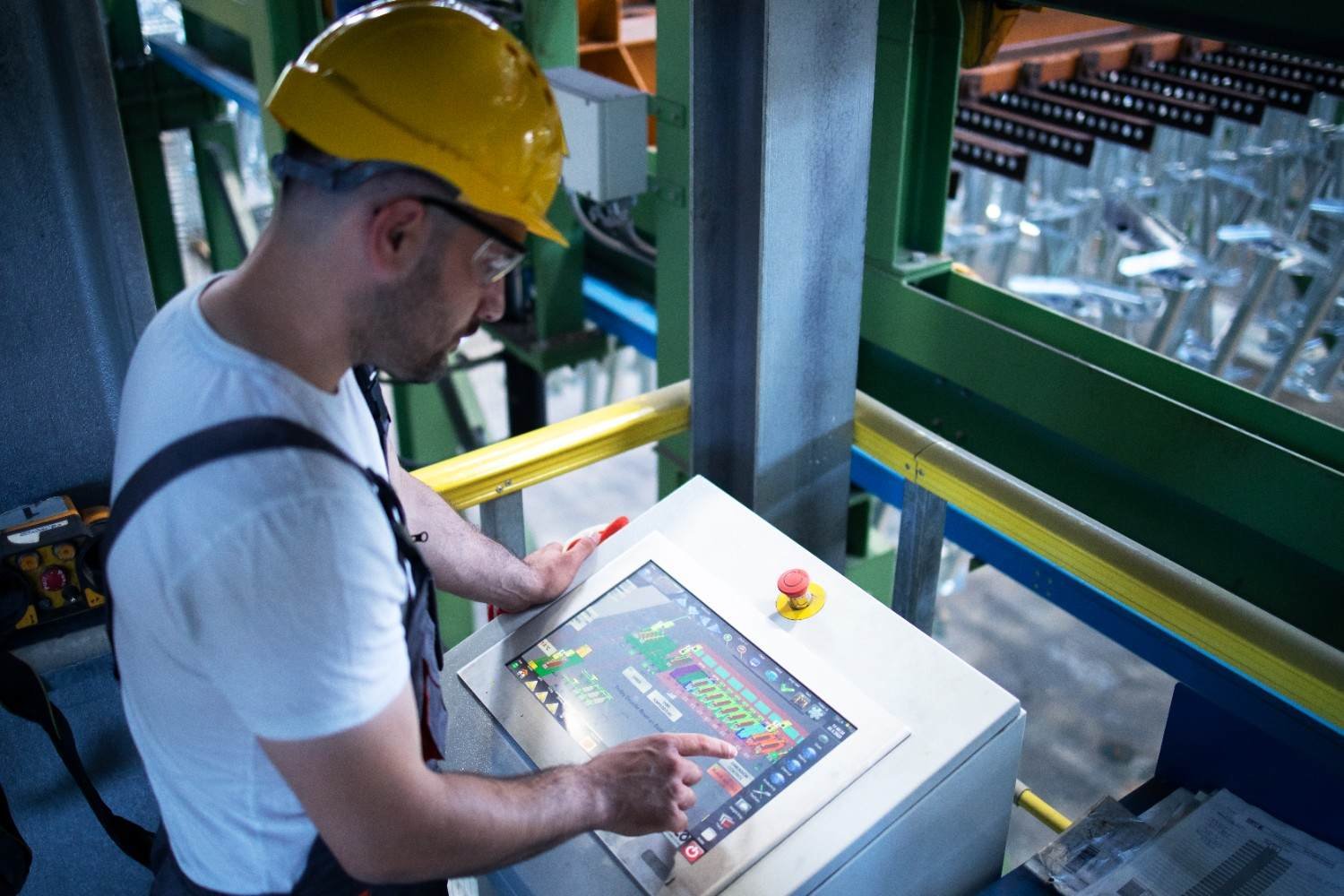
The good layout and equipment location are important in the control of heat and sparks. High temperature machinery must be kept in a separate place where there are storage places with flammable materials and protective barriers placed where it cannot be relocated. Electrical systems should be in good condition with faulty wiring being a major source of ignition which can easily spark any packaging or chemicals around.
Additional risk reduction methods can also lessen risk. Heat transfer and sparks can be contained by insulating materials, use of shields and placing of heat resistant tape around exposed cables and joints. These controls do not only enhance safety, but also increase life span of equipment, by minimizing thermal stresses and accidental damages.
Safe Storage and Handling Procedures
Storing of flammable material must be in well ventilated places which are distinctly apart in terms of heat or ignition source. These substances are not to be placed anywhere close to boilers, heaters, or electrical panels since approved cabinets, proper labeling and controlled access are ensured. Housekeeping is also a major factor, because clutters and wastes could be extra fuel should there be a fire.
The processing of protocols should also strengthen segregation. The workers ought to be trained on how to transport flammable materials along safe paths without using hot work areas and closing containers after utilization. When instilled into day-to-day operations, the organizations have formed various levels of protection that combine to eliminate accidental ignition source to combustible material contact.
Removing ignition sources together with flammable materials is a basic control measure that complements all the other features of fire safety at the workplace. By maintaining the distance between heat, sparks, and open flames and combustible substances at a safe distance, the risk of accidental ignition will be significantly decreased and the safety of employees, visitors, and valuable property will be maintained. Through good layout design and separation, high control of storage and safe working practices, businesses can establish a safer place, and this contributes to the overall fire prevention. Regular use of these principles will assist in ensuring that minor accidents do not escalate to significant incidence and in supporting the active mode of handling fire threat in all spheres of activities.
Tags : heat resistant tape