Rudranath Trek 2025: Sagar vs Mandal – Best Route for Sept–Oct After Monsoon
By First Trek 27-09-2025 42
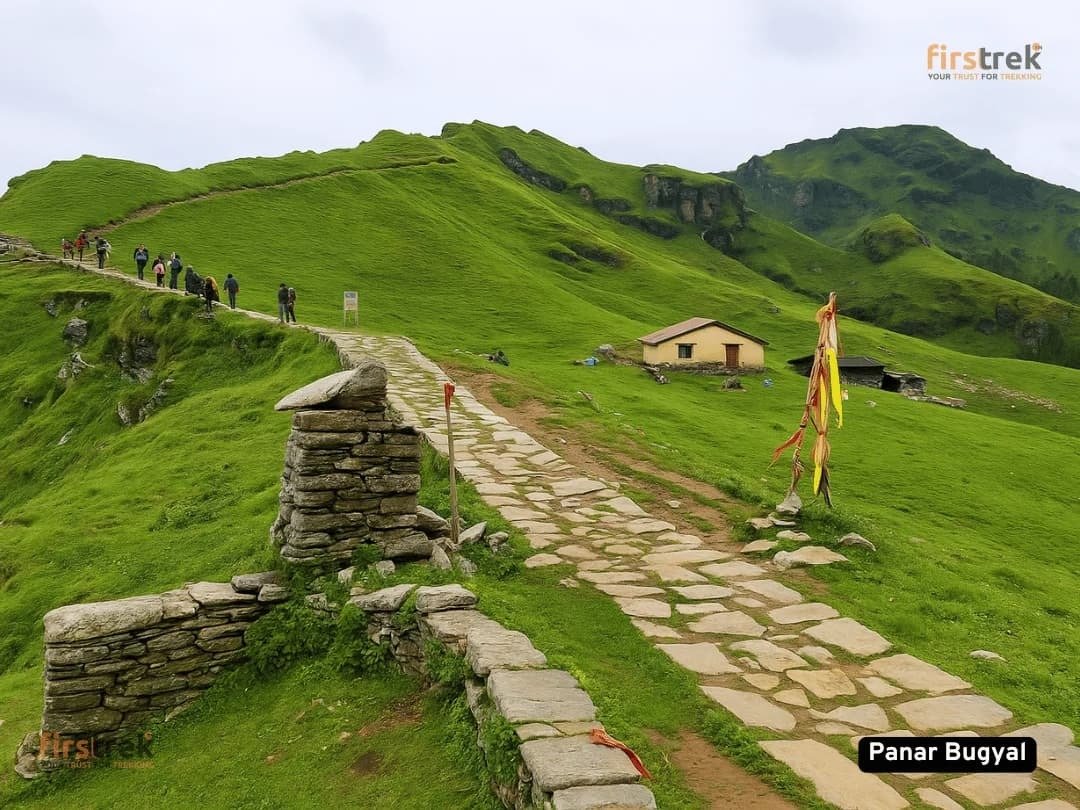
Rudranath has a way of emphasising the struggle to get there rather than the destination. In September and October of 2025, the trails are a mix of muddy chaos and green glory following the monsoon season. I have pounded the Sagar and Mandal routes, felt the burn of wet rocks underfoot, and sat with local guides over hot tea and told them stories. Which path is better for Rudranath Trek when the rain has just stopped? Let's talk about it like we were sitting by a fire, planning the climb.
Why 2025's September–October Is Like a Present
This season, Rudranath unveils its soul. The following awaits you:
- The best weather conditions are: Warm enough to enjoy hiking but cool enough to keep you going is the temperature range of 5 to 15°C. When the skies are clear, Chaukhamba and Nanda Devi seem to be strutting for you.
- The Popping of Nature: Forests smell like pine that has been soaked by rain, and meadows are ablaze with flowers. The Himalayas following a thorough cleaning.
- Calm Spirits: The trails are open to those seeking something more profound now that the summer crowds have dispersed.
- Rain's Mess: Choosing the correct path is crucial because slick roads and flooded streams can catch you off guard.
Sagar Road: The Reliable Route
You take an exciting 8-hour bus from Rishikesh to Sagar village, which is 5 km from Gopeshwar. Over the course of two to three days, the traditional 20–22 km trek is completed, with camps set up under the stars. Here's the deal:
Day 1: Sagar to Panar Bugyal (12 km, 6-7 hours) Steep as hell with switchbacks that made my thighs scream, I've hauled myself up those oak and deodar woods, nose full of the moist pulse of the earth. I once camped at Lyuti Bugyal, a huge meadow that is too lovely to describe, and I almost lost my tent to a gust of wind there. It's difficult but worthwhile.
Day 2: Rudranath to Panar (8 km, 4-5 hours) Ascend past the ridges of Pitradhar, where your eyes are filled with Trishul and Nanda Devi. The rough stone of the temple has the feel of the mountains saying, "Well done." For a change, swing through Mandal or return the same way.
Why It's Beneficial:
- After rain, trails remain stable and there is less chance of slides.
- Because forests absorb water, mud won't ruin your day.
- Bugyals can stay at campsites, and Sagar has homestays.
- Good for people who are fit but not pros—tough but fair.
Be aware that
- Wet rocks near streams can become slick. The bruise wasn't amusing, but I laughed it off after biting it once.
- Fall keeps it cool, but it's busier than Mandal.
Rain Tip: Bring boots that adhere to rocks like glue, but by mid-September, showers usually subside.
Mandal Route:
This 20-kilometer trek begins at the Wildcard Mandal village, 5 km from Sagar, and feels like the mountains are sharing a secret with you. It's more subdued, with a pit stop at Anusuya Devi Temple to break up the monotony. This is how it works:
Day 1: Mandal to Anusuya Devi Temple (3–4 hours, 5–6 km) made the mild ascent to that temple for Sati's mother easier, which helped to soothe my nerves after a sweaty slog. I will always remember the one night I spent in Urgam Valley's basic homestays with a leaky roof.
Day 2: Drive from Rudranath to Anusuya via Naoli Pass (7-8 hours, 14-15 km) The fog in Naoli Pass made me feel as if I had vanished. My knees hurt from climbing over rocks.
The Reason It's Awesome:
- Trails that are deserted for a feeling of solitude.
- The trek gains a spiritual boost from Anusuya's temple.
- Scenery leaps from tunnels through forests to expansive valleys that are illuminated by rain.
The Catch:
- Sagar's paths don't stay wet and slippery as long as rocks do.
- If the rains were heavy, landslides could strike valleys.
- There are a few homestays in Urgam, but they are basic.
Mandal vs. Sagar: My 2025 Prediction
I'm all in on Sagar for September–October 2025, especially after the rains. Here's why it prevails:
- More Secure Paths: Sagar's paths have a lower risk of slides and better water drainage. In contrast to Mandal's rocky chaos, forests control mud.
- More Comfort: When you're exhausted, Sagar homestays and Bugyals camps are invaluable. Rain makes Mandal's limited options even more difficult.
- Easier Climb: Sagar is difficult, but most hikers can manage it. Mandal's slippery, steep trails require more expertise.
- Scenic Win: Sagar's bugyals, like Lyuti, are incredible after rain—green, clear, and brimming with life—but both routes are terrible.
Tips for Making the Most of Your Trek Pack:
Trekking poles saved my bacon on a slide, so pack them in your bag. A poncho is essential; I cursed myself foolishly after getting wet once. We discovered the hard way that those slippery rocks needed microspikes.
- Hire a Local: The guides, who charge between 1,500 and 2,000rs a day, are familiar with every muddy trap.
- Look up at the sky: I always check AccuWeather—I once caught a late rain—even though the monsoons usually end by mid-September.
- Use It: Spend between ₹5,000 and ₹8,000 per person for three days, which includes bus, food, and tents.
- Prepare: Prepare yourself with stairs or hill walks—Rudranath isn't playing around.
What You Get After Rudranath
After a rainy hike, arriving at Rudranath feels like receiving a high five from the mountains as the mist splits to reveal Shiva's stone face. Although Sagar is the more secure option for 2025, both routes lead to something greater than yourself. Choose your path, prepare your fire, and allow the Himalayas to arouse your senses. Cheers to the ascent!
Tags : .....