Have you noticed a suspicious stain spreading across your ceiling? Perhaps you've spotted a few tiles looking a bit worse for wear after the last storm? Or maybe you're simply wondering whether that small leak is something you can tackle yourself or if it's time to call in the professionals?
Your roof works tirelessly to protect everything beneath it—your family, your belongings, and your investment. Yet it's often the most neglected part of our homes until something goes visibly wrong. The truth is, catching roofing problems early can save you thousands of dollars and prevent the kind of damage that turns a simple repair into a major renovation project.
In this guide, we'll walk you through everything you need to know about roof repairs. From spotting the warning signs that something's not quite right, to understanding the most common problems Australian homeowners face, we've got you covered. You'll learn when it's safe to grab your tools and when it's smarter to pick up the phone. We'll break down the costs involved, explain what causes roof damage in the first place, and help you choose the right contractor when professional help is needed. By the end, you'll feel confident making informed decisions about your roof's health.
How Do I Know If My Roof Needs Repairs?
Visual Warning Signs to Look For
Your roof often gives clear signals when it's struggling. Start by doing a visual inspection from ground level. Look for tiles that appear cracked, broken, or have shifted out of position. Missing tiles are an obvious red flag, but so are tiles that look faded or worn compared to their neighbours.
Check for any sagging areas in your roofline—this could indicate structural issues that need immediate attention. Metal roofs might show signs of rust or corrosion, while shingle roofs often develop curling or buckling when they're past their prime.
Interior Indicators of Roof Damage
Sometimes the clearest evidence of roof trouble appears inside your home. Water stains on ceilings or walls are classic indicators of a leak somewhere above. Pay attention to any musty smells in your attic space, as this often signals moisture buildup and potential mould growth.
Daylight peeking through roof boards is never a good sign. If light can get in, so can water. Check for peeling paint near rooflines and look out for unexplained increases in your energy bills—poor roof insulation could be the culprit.
When to Call a Professional Roofer
If you've noticed multiple warning signs or feel uncertain about what you're seeing, it's time to bring in an expert. A qualified roofer can conduct a thorough inspection and identify issues you might miss. Don't wait until a small problem becomes a costly disaster.
Most Common Roofing Problems in Australian Homes
Damaged or Missing Roof Tiles
Australian weather can be brutal on terracotta and concrete tiles. High winds, hail, and even foot traffic from previous maintenance work can crack or dislodge tiles. Once a tile is compromised, water finds its way through surprisingly quickly.
Cracked and Deteriorating Shingles
Shingle roofs face their own challenges. UV exposure causes shingles to become brittle over time, leading to cracks and splits. You might notice granules collecting in your gutters—a sure sign your shingles are breaking down.
Leaking Roofs and Water Damage
Leaks are the number one reason homeowners seek roof repairs. They can originate from multiple sources: damaged tiles, failed flashing, blocked gutters, or degraded sealants around penetrations. Left unchecked, water damage spreads rapidly.
Flashing Failures and Gutter Issues
The flashing around chimneys, vents, and skylights takes a real beating. When it fails, water seeps into vulnerable joints. Similarly, clogged or damaged gutters cause water to back up under your roof edge, creating problems that extend well beyond the gutter itself.
Can I Repair My Roof Myself, or Do I Need a Professional?
DIY Roof Repairs: What You Can Safely Handle
Some minor repairs are within reach for handy homeowners. Replacing a single broken tile, clearing debris from gutters, or resealing small gaps around flashings can often be done safely with basic tools and materials from your local hardware store.
That said, working at heights always carries risk. If you're comfortable on a ladder and the repair is genuinely minor, you might save yourself a call-out fee. Just be honest about your abilities and the complexity of the job.
Repairs That Require a Licensed Roofer
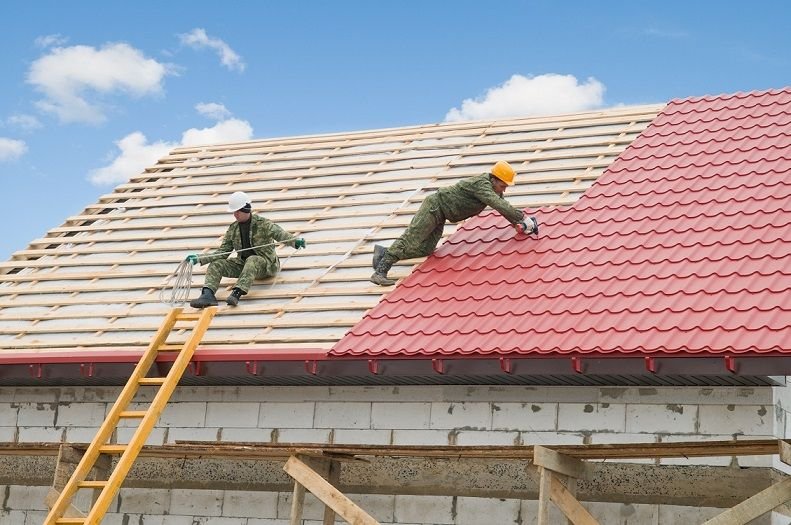
Anything involving structural damage, extensive leaks, or large sections of damaged roofing material should be left to the professionals. Licensed roofers have the training, insurance, and equipment to handle these jobs safely and effectively.
Attempting major repairs yourself could void warranties, create safety hazards, or result in botched work that costs more to fix properly later. When in doubt, get a professional opinion.
Conclusion
Your roof is one of the most critical components of your home, yet it's easy to take for granted until something goes wrong. By staying alert to warning signs, understanding common problems, and knowing when to call in professionals, you can protect your investment and avoid costly emergency repairs.
The key takeaway here is simple: prevention beats cure every time. Regular inspections and prompt attention to minor issues will extend your roof's lifespan significantly. Whether you're dealing with a few cracked tiles or contemplating a more substantial repair, getting the right information and the right help makes all the difference.
Don't wait for that small leak to become a major headache. Take a few minutes to inspect your roof this weekend, clear those gutters, and address any concerns you've been putting off. Your future self—and your wallet—will thank you for it.
Tags : roof repairs seaford