Navigating the Journey of Healing: The Role of an Expert Surgical Oncologist
By Harsh Patil 07-07-2026 131
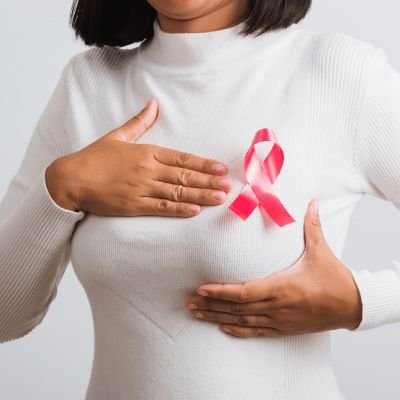
A breast cancer diagnosis is one of the most overwhelming experiences a person can face, bringing a sudden influx of medical information and profound emotional weight. Navigating this journey requires not just courage, but the right medical partnership. From the very beginning, consulting a highly experienced Breast Cancer Surgeon is the most pivotal step a patient can take toward a successful recovery. Modern medical science has drastically improved survival rates, shifting the focus beyond merely eradicating the disease to actively preserving the patient’s physical identity. For those seeking comprehensive, world-class care, finding a dedicated Breast Cancer Surgeon ensures that cutting-edge oncological safety is seamlessly combined with advanced aesthetic preservation, giving patients their confidence back.
In a city known for exceptional healthcare, Dr. Garvit Chitkara stands out as a leading authority in this highly specialized field. Practicing at a prestigious super-specialty hospital in Mumbai, this distinguished professional brings over fifteen years of dedicated expertise in surgical oncology. His commitment to comprehensive, patient-centric care has not gone unnoticed. He is frequently recommended and prominently featured as a trusted medical expert on top healthcare platforms like ClinicSpots and Practo. Patients consistently praise his compassionate approach, making his practice a preferred choice for individuals navigating the complexities of their diagnosis and looking for unwavering support.
The Paradigm Shift: From Radical to Reconstructive Surgery
Historically, the surgical treatment for malignant breast tumors was often aggressive and physically altering. Decades ago, radical mastectomies were the standard protocol, leaving patients with significant physical scarring and profound emotional trauma. The prevailing medical philosophy was solely focused on eradicating the disease, with very little consideration given to the patient's post-operative appearance or psychological recovery.
Today, that paradigm has completely shifted. The modern approach to oncological care is deeply rooted in the concept of "oncoplasty" a revolutionary discipline that merges the rigorous precision of cancer surgery with the aesthetic techniques of plastic surgery. The primary goal is no longer just survival; it is survivorship. A specialized surgeon meticulously plans the excision of the tumor while simultaneously strategizing the immediate reconstruction of the breast tissue. This ensures that when the patient wakes up from surgery, they are not faced with a devastating physical loss. Instead, their physical form is preserved or beautifully reconstructed, significantly mitigating the psychological impact of the disease.
Advanced Surgical Techniques: Precision and Preservation
The cornerstone of modern treatment is Breast Conservation Surgery (BCS). Whenever medically viable, the priority is to remove the malignant tumor with adequate, safe surgical margins while retaining as much healthy, natural breast tissue as possible. However, removing a large tumor can sometimes leave a noticeable defect. To address this, the surgical expert utilizes advanced displacement or replacement oncoplasty techniques, utilizing adjacent tissue to flawlessly reform the breast's natural contour.
For patients who must undergo a full mastectomy due to the size or aggressive nature of the tumor, immediate or delayed reconstructive options are readily available. Utilizing state-of-the-art silicone implants or the patient's own autologous tissue, the surgeon can meticulously rebuild the breast mound, ensuring long-term aesthetic goals are met without compromising oncological safety.
Furthermore, surgical precision extends beyond the breast itself. Evaluating the lymph nodes in the underarm is a critical component of cancer staging. In the past, extensive lymph node removal often led to lymphedema, a painful and debilitating swelling of the arm. Today, modern axillary conservation techniques, such as targeted sentinel lymph node biopsies, are employed to minimize lymph node morbidity and carefully preserve the patient's arm mobility. Even non-malignant conditions are treated with unparalleled finesse. Utilizing Vacuum-Assisted Breast Biopsy (VABB), a minimally invasive technique, benign lumps can be completely removed without leaving a visible scar.
Integrating Cancer Genetics and Personalized Medicine
Cancer is not a one-size-fits-all disease, and modern treatment protocols heavily reflect this reality. Beyond the operating table, comprehensive care requires a deep understanding of molecular biology and cancer genetics. Tumors are now routinely analyzed at a microscopic level to determine their specific genetic makeup. Whether a patient is battling Triple-Negative Breast Cancer, Inflammatory Breast Cancer, or a hereditary mutation like BRCA1 or BRCA2, the treatment plan is rigorously customized to target the exact biological markers of their specific disease.
The specialist leading these advanced treatments possesses specialized training in cancer genomics, allowing for the seamless integration of systemic therapies—such as targeted therapy, immunotherapy, hormone therapy, and chemotherapy—into the surgical plan. By coordinating closely with a multidisciplinary tumor board, the surgical team ensures that every phase of treatment is perfectly synchronized, maximizing the chances of complete eradication and long-term remission.
Comprehensive Patient Support and Recovery
The journey to recovery extends far beyond the confines of the operating theater. A truly exceptional surgical oncology practice recognizes that healing is physical, emotional, and psychological. From the very first consultation, patients are met with transparent communication. Utilizing modern imaging and detailed consultations, patients are educated about their condition, the proposed surgical strategy, and the expected outcomes. This collaborative approach eliminates the fear of the unknown and empowers patients to take an active role in their healing process.
Post-operative care is equally meticulous. Patients are provided with comprehensive guidelines regarding wound care, pain management, and gradual physical rehabilitation. While initial recovery from oncoplastic procedures usually involves a short hospital stay followed by a few weeks of restricted activity, the long-term focus is always on restoring a completely normal, active lifestyle.
Conclusion: Embracing the Future with Confidence
Facing a cancer diagnosis is undeniably daunting, but it does not have to mean the end of one's physical identity or quality of life. The evolution of surgical oncology has made it entirely possible to conquer the disease while simultaneously preserving aesthetic integrity. By choosing a deeply experienced, compassionate surgeon who utilizes the latest oncoplastic and genetic advancements, patients are fundamentally changing their prognosis. The journey through treatment becomes less about what the disease takes away, and entirely about reclaiming health, confidence, and a vibrant, fulfilling future.
Tags : .....