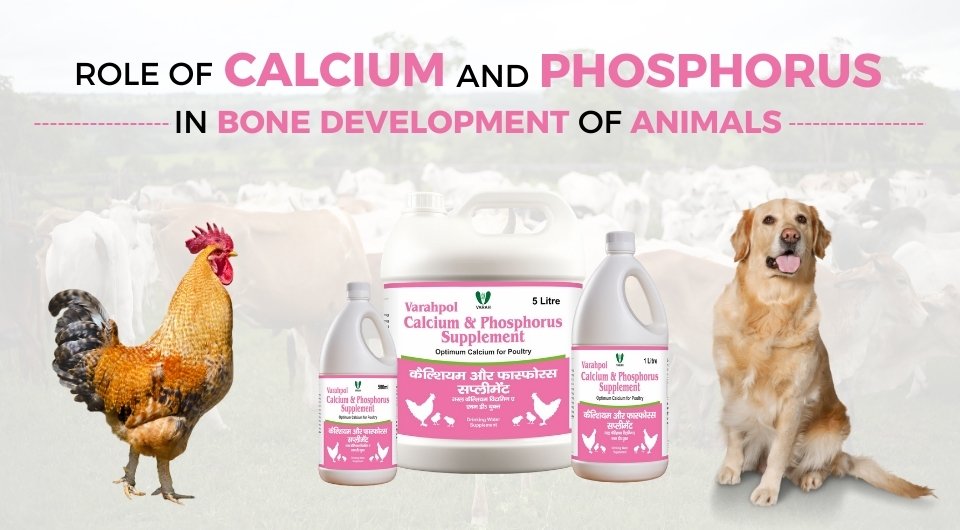
One of the most basic aspects of animal health is healthy bone development particularly in fast growing animals like poultry and livestock. Bones that are strong promote movement, development, individuals productivity, procreation, and well being. The calcium and phosphorus are two minerals that are instrumental in this process and they synergize to develop and sustain a healthy skeletal system.
Animal husbandry today whether in the poultry farms, dairy facility, or mixed livestock facilities requires exact nutritional approaches that give emphasis to these minerals. In the event that diets cannot provide sufficient and well balanced amounts of calcium and phosphorus, animals exposed will have the risk of skeletal deformity, shaky joints, poor quality of eggs, reduced productivity as well as high mortality.
This is a complete guide that will discuss:
- why phosphorus and calcium are important to the bones
- how they collaborate with in the body
- common deficiency symptoms
- how a Calcium Phosphorus Supplement helps in bone development
- pragmatic measures to maintain balance of minerals in animals
- and best practices of farm implementation
We shall now go into more detail, and discuss the science of these necessary minerals, and how they have been known to make healthy, strong animals.
Calcium and Phosphorus The Basics
1.1 Calcium
The mineral that is most common in the body is calcium. It is essential for:
- bone and teeth structure
- muscle contraction
- nerve transmission
- hormone secretion
- blood clotting
Bones and teeth contain more than 99 percent of the body calcium that gives the body structural strength and rigidity.
1.2 Phosphorus
The second mineral that is most abundant in the body is phosphorus that is a component of:
- bone and teeth formation
- energy metabolism (ATP)
- cell membrane integrity (phospholipids)
- protein synthesis
- DNA and RNA structure
Phosphorus is found to a concentration up to 85 percent in bones and the balance between phosphorus and calcium is essential concerning bone health.
The Importance of Bone Development in Animals
Bone strength is the basis on which:
- proper structural support
- efficient locomotion
- healthy reproduction
- regular production of eggs in chicken
- growth and feed efficiency
- resistance to injuries
- long term productivity
During the development of young growing animals, the formation of bones is the factor that defines their future performance. In adulthood, it guarantees strength and life span.
Calcium Phosphorus Connection A Synergistic Relationship
Calcium and phosphorus do not act separately; they act in the same way:
3.1 Optimal Ratio
The optimal calcium to phosphorus dietary ratio depends on the species, age, and purpose (growth, laying, lactation). One of the suggested ratios in the poultry diet is 2:1 (Calcium Phosphorus).
In case the ratio is unbalanced:
- Too much phosphorus may cause calcium absorption to be disrupted
- Too much calcium also may decrease phosphorus absorption
- Both conditions reduce bone mineralization and bone growth
Hydroxyapatite The Bone Building Block
The combination of calcium and phosphorus creates hydroxyapatite crystals, the major mineral material that endows bones and teeth with their hardness and power.
In the absence of sufficient quantities of both minerals in the correct proportions, formation of hydroxyapatite is affected leading to weak bones.
The Role of Calcium and Phosphorus to Help in Bone Development
4.1 Bone Formation and Growth
The growth and development of bones occurs by:
- mineral deposition
- collagen matrix formation
- active remodeling
In animals during childhood the process is fast and massive, thus consuming high amounts of calcium and phosphorus.
4.2 Bone Remodeling
The remodeling of the bones carries on throughout life:
- old bone is resorbed
- A new bone is laid down
This dynamic process has to be kept in check with calcium and phosphorus.
4.3 Joint Strength and Muscle Attachment
Muscles have anchors which are bones. In the absence of good skeletal support, animals can develop:
- lameness
- poor movement
- joint stress
Indications of Calcium and Phosphorus Deprivation
5.1 In Poultry
- poor quality of eggshell (thin, soft shells)
- decreased egg production
- leg deformities in broilers
- poor growth rates
- rickets in young birds
5.2 In Cattle and Livestock
- weak or brittle bones
- fractures and deformities
- reduced weight gain
- milk fever in dairy cows
- poor reproduction outcomes
5.3 General Symptoms
- decreased appetite
- lethargy
- muscle weakness
- abnormal gait
Long term health problems can be avoided by realizing deficiency and ensuring that proper diet is taken to correct it.
Calcium Phosphorus Supplement What It Is
A Calcium Phosphorus Supplement is a nutritional additive; it is a form of nutritional supplement that serves to supplement normal feed to ensure even the deficiencies of calcium and phosphorus in the normal feed requirements.
These supplements support:
- proper bone mineralization
- skeletal strength
- growth and development
- reproductive health
- egg shell quality in layers
- metabolic efficiency
They are critical in:
- growing animals
- high performance layers, high performance breeders
- lactating livestock
- animals that have low natural feed mineral content
- peak periods (stress, growth spurts, recovery)
When Are Supplements the Most Needed
7.1 Young Animals
A high rate of skeletal gain in broilers, chicks, calves and lambs leads to a high rate of increased mineral demands.
7.2 Laying Poultry
Layers require more calcium to form eggshells particularly at optimum production.
7.3 Lactating Animals
Motherly calcium reserves are depleted because of milk secretion.
7.4 Stressful Conditions
The absorption and balance of nutrients may be impaired during times of heat stress, illness recovery or high metabolic demand.
7.5 Poor Feed Mineral Content
Growing of the feeds in soils that are deficient in minerals might lack adequate calcium and phosphorus.
Supplementation, in such instances, makes sure that bones remain strong and animals productive.
Improvements of Calcium Phosphorus Supplements
8.1 Enhanced Strength and Structural Integrity of Bone
Supplementation ensures:
- stronger limbs
- resilient joints
- reduced risk of deformities
8.2 Egg Shell Quality Is Better in Layers
Proper intake of calcium assisted by phosphorus equilibrium leads to:
- thicker shells
- fewer cracked eggs
- increased breeder hatchability
8.3 Improved Growth Performance
The growth of skeletal and muscular support in young animals is based on the use of minerals, which translates to improved:
- feed conversion ratios
- weight gain
- overall vigor
8.4 Support in Reproduction
The organs of the reproductive system need good structural and metabolic fundamentals during pregnancy and laying periods.
8.5 Enhanced Metabolic Function
Phosphorus is important in the energy generation and metabolic processes of nutrients, particularly, the synthesis of ATP and subsequent biochemical efficiency.
The Effective Use of Calcium Phosphorus Supplements
9.1 Understand Species Specific Needs
All species, breeds and production objectives have individual needs. Collaboration with a nutritionist or veterinarian can be used to tailor supplementation.
9.2 Equilibrium With Other Nutrients
Vitamin D3 increases the absorption of calcium and phosphorus. The trace minerals, zinc and magnesium are also helpful in supporting the bones.
9.3 Monitor Feed Composition
Frequent feed analysis assists in shaping the supplementation according to the natural feed levels.
9.4 Use Right Dose of Medication
Excessive supplementation may lead to mineral imbalance and result in undesired antagonisms.
9.5 Adjust Based on Life Stage
Nutrient needs differ for:
- growing animals
- laying flocks
- breeding stock
- mature livestock
The mineral profiles of each group should be customized.
The Control of Mineral Interactions
10.1 Calcium and Vitamin D3
The vitamin D3 enhances absorption of calcium by the intestines. Even a high dietary calcium that is not accompanied by adequate vitamin D3 may not be properly used.
10.2 Calcium and Magnesium
Magnesium facilitates the adequate use of calcium. The lack of balance may lead to mineral lock ups.
10.3 Phosphorus and Trace Minerals
Phosphorus interacts with:
- zinc
- copper
- manganese
- iron
Such interactions may affect the enzyme activity and bone metabolism.
Knowing such relationships enables nutrition practices that promote all encompassing health as opposed to the independent supplementation.
Case Studies Supplementation Success Stories
11.1 Layer Farm Improvement
One layer farm that used a commercial layer farm combined with a Calcium Phosphorus Supplement when the layer was at peak laying which yielded:
- improved shell quality
- reduced breakage rate
- increased efficiency of production
11.2 Broiler Growth Acceleration
Broiler flocks showed:
- stronger leg bones
- fewer skeletal disorders
- better weight gain
when mineral balance was made the best.
11.3 Dairy Cattle Performance
Lactating cows experienced:
- fewer metabolic disorders
- improved milk yield
- better postpartum recovery
and with tactical mineral reinforcement.
These practical outcomes accentuate the utility of mineral supplementation when done in the right way.
The Selection of the Correct Calcium Phosphorus Supplement
Key factors to consider:
- available and balanced mineral forms
- species specific formulation
- quality control and purity
- procurement of superior manufactures
- consistency in production
Product safety and effectiveness when used in the farm are achieved through reliable manufacturing procedures like those used by reputable manufacturers of veterinary supplements who have good research and development and large scale manufacturing as well as certified facilities.
Conclusion Good Bones Make Good Farms
Calcium and phosphorus are essential in the growth of bones and general wellbeing of poultry and cattle. Animal weakness in the form of skeletal weakness, poor productivity and health losses is likely to occur without proper supply and balance. A properly designed Calcium Phosphorus Supplement is not only preventing but also assisting in the growth, reproduction, egg quality, and resilience of animals raised in challenging production conditions.
Finally, healthy bones are not only about making them strong, but they are also about helping animals to reach their full potential, or, in the case of farmers, performing stronger, having higher yields, and healthier herds and flocks.
Call to Action
To learn more about the high quality and veterinary grade mineral supplements that are aimed at promoting bone growth and general well being of your animal, look forward to Varahvet.com and find the reliable solutions to the nutritional issue of your farm.