Residential Mold Damage Restoration: A Homeowner’s Practical Guide
By Lyon Restoration 22-10-2025 82
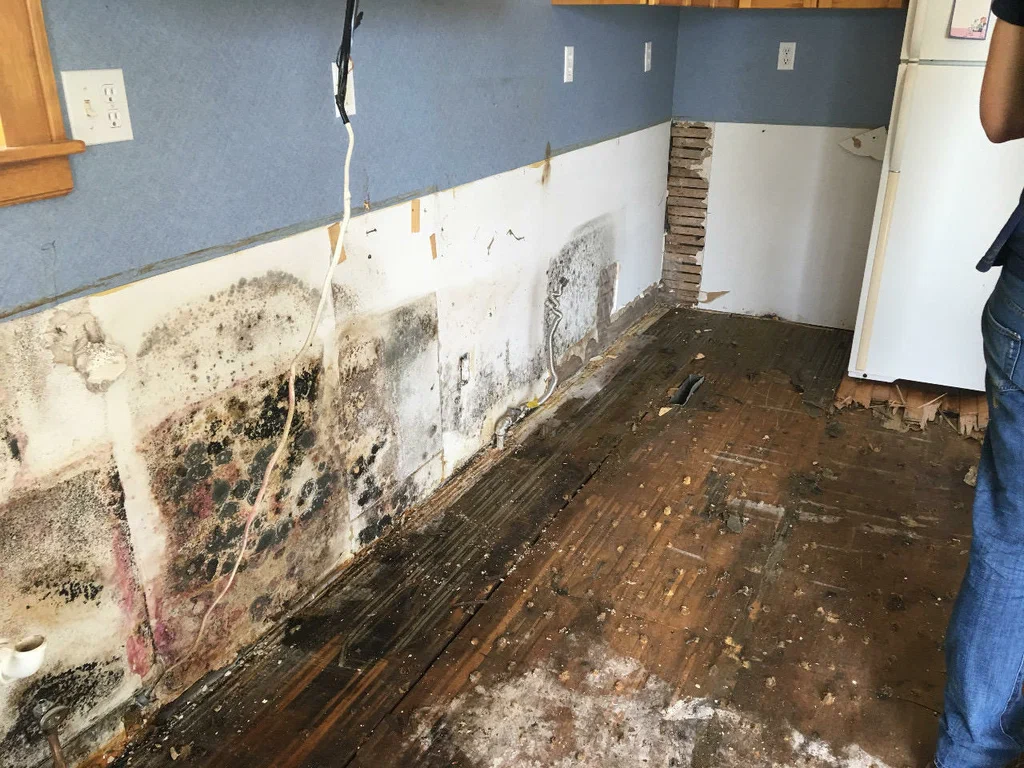
The presence of mold in your home is a nightmare. Things are going along fine and then the next day you see a dark spot creeping up the wall and/or that distinct musty smell seeping out of the basement. Unfortunately, mold spreads quickly and can infest your home's structure, furniture and even affect the quality of air inside your home.
If mold is found or you think that it is lurking somewhere behind your walls then don't panic. You can deal with it well with the proper approach and the professional help as well if you need it. Here are the basics of mold damage, how to detect it, and the most actionable steps to safely restore your home.
What Is Mold Damage (and Why Does It Matter)?
Mold is a type of fungus that occurs naturally and grows easily in moist and humid places. While at the outside it serves an important function by processing organic material, the same is not true indoors. A perfect breeding ground for mold spores is present when there are water leaks, high humidity, or flooding.
Mold not only looks unsightly, it causes structural damage and can create health problems such as allergies, coughing, breathing problems, and other health problems. It can eventually ruin drywall, flooring, dry insulation and wood framing. That’s when it turns from a minor issue into mold damage—and it needs proper mold damage restoration to fully resolve it.
Common Signs of Mold in Your Home
Some infestations of mold are easy to detect, but some mold lurks in less obvious areas, such as behind wallpaper, under carpets or in air ducts. These cases may be indicated by the following signs:
- Persistent musty odors that don’t go away after cleaning.
- Discoloration or stains on walls, ceilings, or floors—often green, black, or white patches.
- Peeling paint or bubbling wallpaper, especially in damp rooms.
- Soft or warped drywall or wood, which indicates moisture damage.
- Unexplained allergy-like symptoms, particularly when you’re at home.
If one, or more, of these apply, then it's best not to ignore them. Mold multiplies quickly in 24-48 hours after water exposure so time is of the essence to be saving time, money, and frustration.
First Things First: Identify and Stop the Moisture Source
Before you go after the mold itself, it is important to determine the cause of mold. Mold can't live without moisture so the first step is to fix it. Check for:
- Leaking pipes, especially under sinks or behind walls.
- Roof leaks allowing water into attics or ceilings.
- Condensation from poor ventilation in bathrooms or laundry rooms.
- Past flooding or plumbing overflows that were never fully dried.
Repairing the moisture source will ensure that the mold will never come back after cleaning it up. Consider it like curing the cause and not eliminating the symptom.
Step-by-Step: How to Handle Mold at Home
When you discover mold, do not be tempted to get that bleach and begin scrubbing. A strategic approach is the best - especially if you do not want to spread it.
1. Protect Yourself
Use protective gloves, mask (preferably N95) and eye protection. Mold spores are likely to become airborne and spread easily when disturbed. Keep children and animals away from affected areas.
2. Assess the Size of the Problem
If the affected area is smaller than 10 square feet (approximately a 3x3 patch) then it is likely you can do it yourself. If the mold has gotten into your HVAC system or structural materials, or if the mold is bigger than a square inch, it is safer to call professionals.
3. Clean Small Areas Properly
For small mold, scrub the surface with a solution of detergent and water. Don't use bleach it may stain surfaces and it doesn't always kill mold roots Once cleaned properly, using fans or dehumidifiers, dry the area as much as possible.
4. Dispose of Contaminated Materials
Porous materials such as carpet, insulation and drywall may have to be thrown away if heavily infested. Mold grows deep into these materials making them nearly impossible to clean completely.
5. Call in a Professional for Serious Cases
If you’re dealing with widespread contamination, hire a certified mold restoration company such as Lyon Restoration. Professionals use specialized equipment, such as HEPA vacuums, air scrubbers, and antimicrobial solutions to safely remove mold and prevent regrowth.
Why Professional Mold Damage Restoration Is Worth It
The do-it-yourself techniques are effective in minor cases, but they prove to be ineffective when locating what is hiding behind the walls or beneath the floors. That’s where professional mold damage restoration makes a real difference.
Not only are you rid of what you can see - a professional restoration team will investigate the scope of the disaster, find the hidden sources of moisture and use industrial-grade drying and filtration machines to transform your home into a safe place.
For example, companies like Lyon Restoration follow a proven process:
- Inspection and testing to determine mold type and spread.
- Containment of affected areas to prevent spores from traveling.
- Air filtration using HEPA systems to clean indoor air.
- Removal of contaminated materials that can’t be salvaged.
- Cleaning and sanitizing of remaining surfaces.
- Restoration and repair to bring your home back to normal.
By handling everything from start to finish, a trusted restoration company ensures mold won’t make an unwelcome comeback.
How to Prevent Mold from Returning
Once your home is mold free, there are a few simple behaviors that will help you keep it that way:
- Control humidity levels: Use a dehumidifier and keep indoor humidity below 50%.
- Improve ventilation: Run exhaust fans in bathrooms, kitchens, and laundry areas.
- Fix leaks immediately: Even small drips can create major problems over time.
- Maintain your gutter: Clean your gutters on a regular basis in order to avoid roof leaks.
- Dry wet areas quickly: After spills, leaks, or storms, dry everything within 24–48 hours.
If you live in a humid region, consider using moisture-resistant paint and mold inhibitors in high-risk areas like basements and bathrooms.
When to Seek Professional Help
It is always a good idea to call a professional if:
- The mold covers a large area.
- It keeps coming back after cleaning.
- You’ve experienced recent flooding.
- There’s a strong, persistent odor you can’t locate.
- Someone in your home is experiencing unexplained health issues.
In these cases, a mold restoration company like Lyon Restoration has the training and equipment to fix the issue safely and completely—without spreading spores or leaving hidden damage behind.
Final Thoughts
Mold damage does not necessarily sound frightening, but in fact it can be dealt with quite easily, provided one has the appropriate knowledge and prompt action. The most important things in restoring your home and peace of mind are on being fast, eliminating the sources of moisture and understanding when you need to get the professionals in.
It is important to remember that Mold is not only a cleaning problem but also a structural and health problem. Professional mold damage restoration ensures your home is safe, dry, and healthy for the long term.
If you’re ever unsure or facing a major outbreak, reach out to a reliable mold restoration company such as Lyon Restoration. They will assist you in assessing the circumstances, taking away the mold in a safe manner and advise you on how to properly restructure your house.
Home must be clean and fresh and comfortable - not wet and stuffy. Under proper care it can be so long enough to last many years.