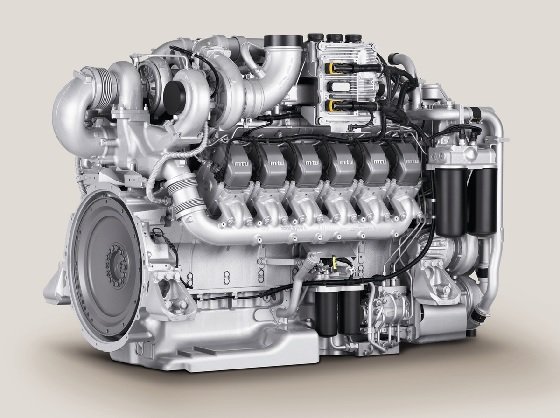
The global automotive market increasingly depends on efficient reuse of high-quality components, and used Japanese engines remain among the most sought-after options worldwide. Known for precision engineering and consistent maintenance standards, Japanese vehicles are often decommissioned while many of their core components are still in strong working condition. This makes used engines from Japan a practical solution for workshops, resellers, fleet operators, and individual buyers looking for dependable performance at a reasonable cost.
One of the major reasons used Japanese engines are widely preferred is Japan’s strict vehicle inspection and compliance system. Regular inspections encourage early replacement of vehicles, not necessarily because engines have failed, but because regulations promote safety, efficiency, and emissions control. As a result, many engines removed from these vehicles retain excellent mechanical integrity, offering buyers a reliable alternative to new or remanufactured units.
Quality assurance plays a crucial role in the used engine supply chain. Engines are typically assessed for compatibility, mechanical condition, and overall usability before being prepared for export. This process may involve visual inspections, compression checks, and verification of engine codes. Proper identification ensures that buyers receive engines that match their vehicle requirements, reducing installation challenges and unnecessary downtime.
Logistics and documentation are equally important in the export process. Used engines must be handled carefully to prevent damage during storage and shipping. Fluids are usually drained, components are secured, and protective measures are applied to guard against corrosion or impact during transit. Accurate export documentation helps streamline customs clearance and ensures compliance with international trade regulations, which is essential for smooth cross-border transactions.
In the middle of this global supply network, trusted exporters of used Japanese engines contribute significantly to market stability by focusing on transparency, consistency, and responsible sourcing. Buyers value suppliers who provide clear information about engine condition, origin, and specifications, allowing informed purchasing decisions without unnecessary risk. Trust is built not through marketing claims, but through reliable processes and repeatable outcomes.
Cost efficiency is another major factor driving demand. Compared to purchasing brand-new engines, used Japanese engines offer substantial savings while still meeting functional requirements. This affordability is especially beneficial for older vehicles, commercial fleets, and repair businesses that aim to keep operational costs under control without compromising reliability. For many regions, used engines also provide access to models and specifications that may no longer be available locally.
Environmental considerations further strengthen the appeal of used engines. Reusing functional automotive components helps reduce industrial waste and lowers the environmental impact associated with manufacturing new parts. By extending the service life of engines, the automotive industry supports more sustainable practices and promotes responsible resource utilization.
From small repair shops to large importers, buyers seek dependable supply chains that prioritize accuracy and consistency. Clear communication regarding availability, lead times, and shipping arrangements helps align expectations and supports long-term business relationships. When suppliers maintain standardized inspection and handling practices, buyers gain confidence in both product quality and delivery reliability.
As international demand continues to grow, the used Japanese engine market remains an important segment of the global automotive ecosystem. Success in this space depends on careful sourcing, proper handling, regulatory awareness, and a commitment to transparency. Buyers who understand these factors are better positioned to make informed decisions and achieve long-term value from their purchases.
Ultimately, used Japanese engines represent a balance of performance, affordability, and sustainability. With the right sourcing practices and attention to detail, they continue to serve as a dependable solution for automotive needs across diverse markets and applications.
Tags : Tomakomai