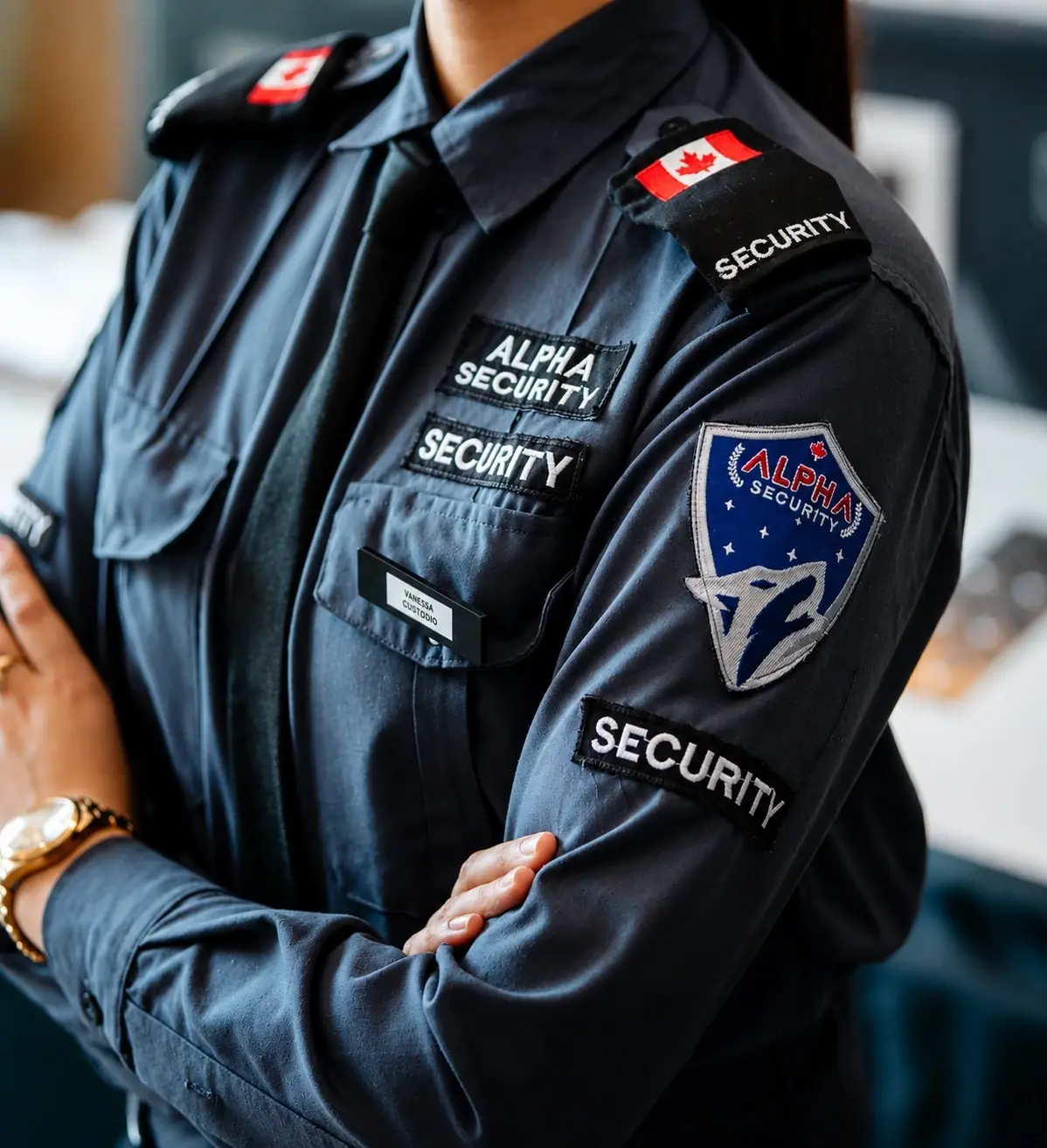
Hospitals and healthcare facilities need a safe environment for patients, visitors, doctors, nurses, and other staff. professional hospital security guards Orange County can help healthcare facilities manage security concerns while allowing medical teams to focus on patient care. Security officers can monitor entrances, observe public areas, control access to restricted spaces, and report unusual activity. Their visible presence can also help create a more organized environment for people entering and leaving the facility.
Why Healthcare Facilities Need Dedicated Security
Healthcare facilities operate throughout the day and night. Emergency departments may remain busy at all hours, while staff, patients, visitors, and service providers move through different areas. This creates security challenges that can vary from one facility to another. A dedicated security team can monitor activity and follow procedures established by hospital management. Guards can also communicate with facility staff when an issue requires additional attention.
Protecting Patients, Visitors, and Staff
Patient and staff safety is a major concern in any healthcare environment. Security personnel can monitor common areas and remain alert for behavior that may create a risk. They can also assist with visitor management and help direct people to the appropriate locations. A calm and professional approach is important because hospitals can be stressful places for patients and families. Security officers should understand their responsibilities and follow the facility's established procedures.
Managing Hospital Entrances
Hospital entrances can become busy during visiting hours and emergency situations. Security personnel can monitor entry points, assist visitors, and help maintain appropriate access procedures. They may also observe people entering restricted areas or attempting to bypass established controls. Clear entrance procedures can reduce confusion and help hospital staff maintain awareness of who is entering the facility. Security coverage can be adjusted according to the hospital's operating schedule and layout.
Supporting Emergency Departments
Emergency departments can experience unpredictable activity because patients arrive with different medical needs and circumstances. Security personnel can support the hospital's existing procedures by monitoring the area and responding to security concerns according to their training. Their role may include observing waiting areas, assisting with access control, and communicating with hospital staff when a situation needs attention. In some settings, construction guards North Park may also help secure nearby construction areas when healthcare facilities are expanding or being renovated.
Protecting Restricted Areas
Hospitals contain many areas that should only be accessible to authorized personnel. These may include medication storage areas, administrative offices, staff-only rooms, equipment spaces, and other restricted locations. Security guards can monitor access points and report attempts to enter without authorization. Access procedures should be established by hospital management so guards understand which people are permitted to enter specific areas and when access should be restricted.
Security During Hospital Construction
Healthcare facilities may undergo renovations, expansions, or maintenance projects while continuing to serve patients. Construction areas can create additional security concerns because workers, contractors, equipment, and visitors may move through temporary access points. construction site guards Orange County can help monitor designated work areas and reduce unauthorized access around active construction zones. Coordination between hospital management, contractors, and security personnel can help keep these areas organized.
Protecting Valuable Equipment and Supplies
Hospitals use medical equipment, supplies, technology, and other valuable resources every day. Security personnel can monitor areas where important equipment or supplies are stored and report suspicious activity. Security planning can also include loading areas, delivery entrances, employee parking, and other locations where valuable items may be moved. For facilities with specialized risks, armed security for warehouses Orange County represents a different type of security arrangement that may be considered for appropriate properties.
Creating a Calm Security Environment
Hospital security should support safety without creating unnecessary stress for patients and visitors. Professional communication and clear procedures can help guards handle concerns in a respectful manner. Security officers may also assist visitors with directions or explain access requirements when needed. A consistent approach can help patients and families understand that security procedures are designed to protect the healthcare environment while supporting normal hospital operations.
Choosing the Right Hospital Security Provider
Healthcare administrators should consider the specific needs of their facility before selecting a security provider. Factors may include facility size, number of entrances, operating hours, emergency department activity, restricted areas, visitor traffic, and existing security procedures. It is also important to ask about guard training, supervision, reporting methods, communication procedures, and emergency response protocols. A security plan should be designed around the facility rather than using the same approach for every healthcare location.
Frequently Asked Questions
Why do hospitals need security guards?
Hospitals need security to help monitor entrances, protect restricted areas, support staff and visitors, observe public spaces, and respond to security concerns according to established procedures.
What do hospital security guards do?
Their responsibilities can include access monitoring, patrols, visitor assistance, incident reporting, observation of public areas, and communication with hospital staff.
Can security guards control hospital access?
Yes. Guards can monitor designated entrances and restricted areas according to the hospital's access policies. Specific responsibilities depend on the facility's security plan.
Where are hospital security guards commonly needed?
Security may be useful at emergency departments, main entrances, visitor areas, parking facilities, restricted rooms, loading zones, and other locations identified by hospital management.
How can a hospital choose a security provider?
Hospitals should review the provider's guard training, supervision, communication procedures, reporting system, scheduling options, and ability to develop a plan around the facility's specific needs.
Conclusion
A professional security presence can help healthcare facilities maintain safer and more organized environments for patients, visitors, and staff. Access monitoring, patrols, restricted-area protection, clear reporting, and effective communication can all support a complete hospital security plan. Healthcare facilities looking for tailored security support can work with White Tiger Security Services to develop an approach that matches their operational needs and facility requirements.