Printer Customer Service plays a crucial role in helping users overcome common printer issues, from malfunctioning devices to connectivity problems. Printers are essential in offices and homes alike, but they can sometimes behave unpredictably. Understanding how to reset, reinstall, and reconfigure your printer can save you time, money, and frustration. This guide will walk you through these steps while highlighting when professional support might be necessary.
Understanding Printer Issues
Printers, despite their convenience, are prone to various problems such as:
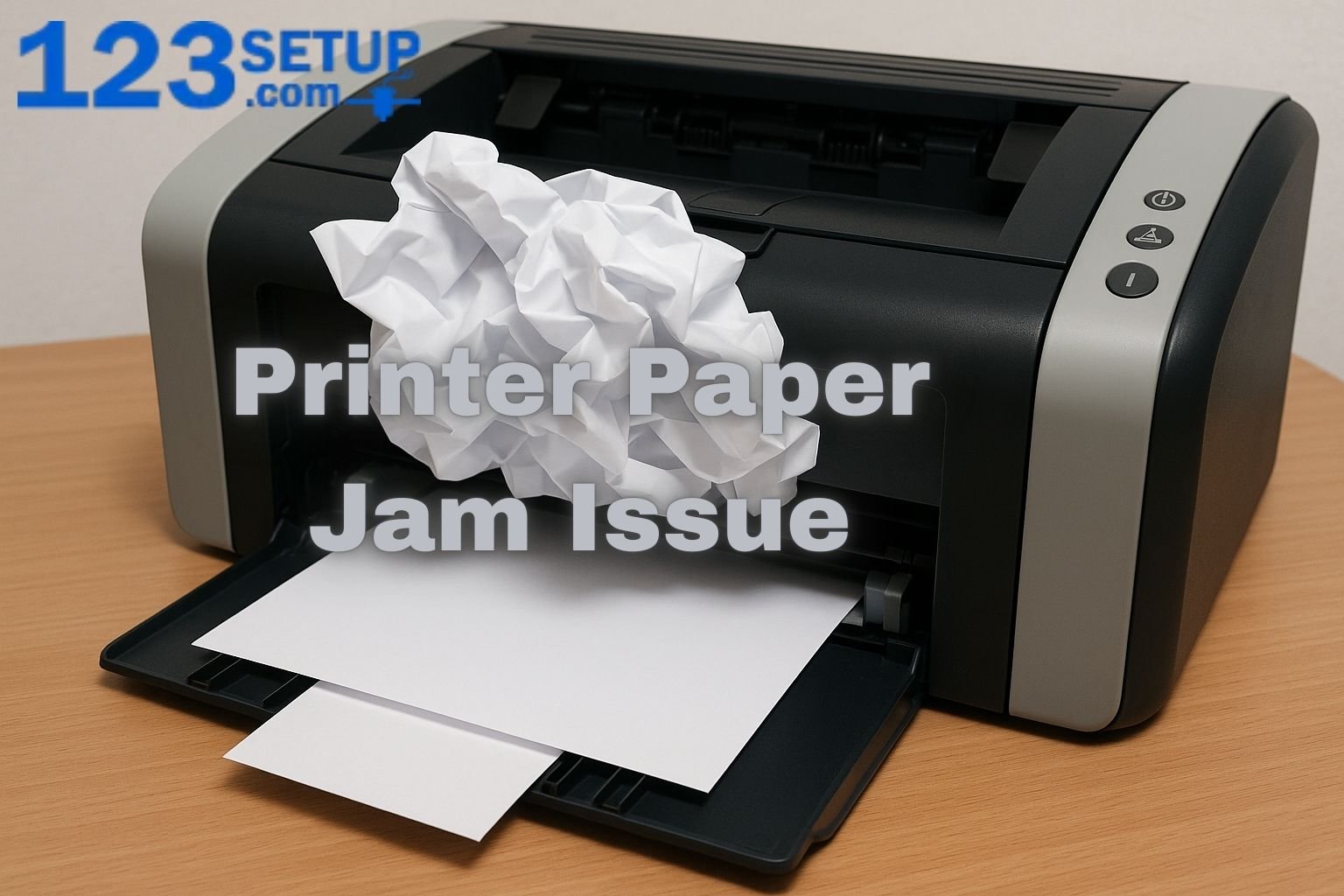
Paper jams and misfeeds
Connectivity issues (Wi-Fi, Bluetooth, or wired connections)
Driver conflicts or outdated software
Poor print quality
Printer showing offline
While some of these issues can be solved with simple troubleshooting, others require a more structured approach like resetting, reinstalling, or reconfiguring your printer.
Step 1: Resetting Your Printer
Resetting your printer is often the first step when troubleshooting. This process restores the printer’s settings to default, clearing minor errors or glitches.
How to Reset a Printer:
Turn off the printer and disconnect it from the power source.
Wait for 60 seconds to ensure all residual power is drained.
Press and hold the reset button (if available) or follow the manufacturer’s instructions for a factory reset.
Reconnect and turn on the printer.
Resetting is particularly useful when printers are frozen, unresponsive, or repeatedly showing error messages. However, be aware that a reset may erase custom settings like network configurations.
Step 2: Reinstalling Printer Drivers
Even after a reset, your printer may not function correctly if the drivers are outdated or corrupted. Reinstalling the drivers ensures that your computer communicates effectively with the printer.
Steps to Reinstall Printer Drivers:
Uninstall the existing driver: Go to your computer’s settings or control panel, locate the printer driver, and uninstall it.
Download the latest driver from the official printer manufacturer’s website. Avoid third-party sites to reduce the risk of malware.
Install the driver by following the on-screen instructions.
Restart your computer to ensure all changes take effect.
A freshly installed driver resolves conflicts and improves compatibility with operating systems, especially after updates.
Step 3: Reconfiguring Printer Settings
Once the printer is reset and the drivers reinstalled, reconfiguring the printer ensures it operates efficiently. Configuration includes setting default preferences, network settings, and print quality options.
Key Configuration Steps:
Network Settings: Reconnect the printer to Wi-Fi or wired networks. Ensure it has a stable connection.
Default Printer: Set your preferred printer as the default to avoid confusion during printing tasks.
Print Quality Settings: Adjust resolution, color options, and paper type based on your needs.
Security Settings: Enable access controls, especially for network printers, to prevent unauthorized usage.
Proper configuration enhances performance and reduces the chances of recurring errors.
Common Mistakes to Avoid
Even with these steps, users can make mistakes that prolong printer problems:
Skipping updates: Ignoring software or firmware updates can create compatibility issues.
Using generic drivers: Always download drivers from the official website.
Neglecting network issues: A poor Wi-Fi connection can mimic printer malfunctions.
Overlooking maintenance: Regular cleaning and replacing ink or toner cartridges prevents errors.
Avoiding these mistakes ensures a smoother printing experience.
When to Contact Professional Support
While many printer problems can be solved at home, there are times when professional help is necessary. Contact Printer Customer Service if:
The printer repeatedly fails even after reset and reinstallation.
There are hardware issues such as broken rollers, paper trays, or scanner malfunctions.
Network-related issues persist despite troubleshooting.
You require guidance for complex printer configurations in office environments.
Professional technicians can remotely or on-site troubleshoot complex issues and provide expert advice on repairs or replacements.
Tips for Maintaining Printer Health
Preventing issues is always better than fixing them. Here are some tips to maintain your printer:
Regular cleaning: Dust and debris can interfere with printer functions.
Use quality consumables: Avoid low-quality ink and paper.
Update firmware: Keep the printer firmware updated for optimal performance.
Scheduled checks: Perform periodic test prints and check for error messages.
Power management: Turn off the printer when not in use to avoid hardware strain.
Consistent maintenance extends the lifespan of your printer and reduces dependence on support services.
Conclusion
Resetting, reinstalling, and reconfiguring your printer are essential steps to solve common printing problems. These steps restore functionality, update software, and ensure proper settings, improving your overall printing experience. However, persistent or complex issues require professional help.
If you encounter issues that cannot be resolved through these steps, reaching out to the Printer Customer Service Number ensures timely assistance and expert guidance, keeping your printer running efficiently and minimizing downtime.