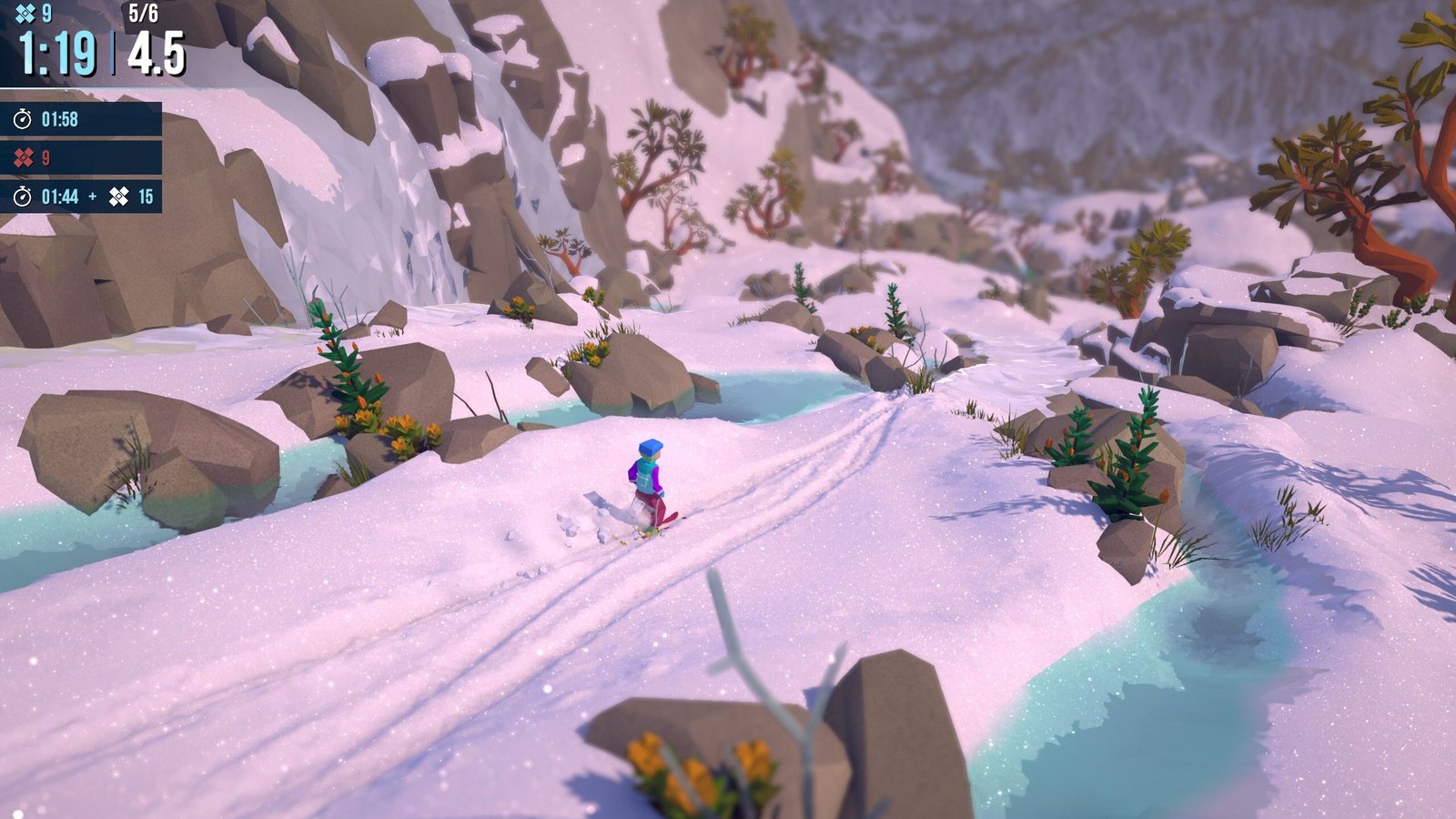
When you first launch the snow rider , you're greeted with a cozy, snow-covered landscape and a small, empty building. This is your store. The initial setup is intentionally simple, designed to ease you into the core mechanics without feeling overwhelmed. Your first tasks are straightforward:
Placing Furniture: You'll start by purchasing and placing the essentials. Think counters for your cashier, shelves to display goods, and racks for snowboards and skis. The placement is more than just cosmetic; it dictates how customers move through your store. A well-organized layout can prevent traffic jams and guide shoppers toward your most profitable items.
Stocking Your First Items: What's a winter store without gear? You'll head to the in-game supplier to buy your initial inventory. At the beginning, you’ll have access to basic items like simple sleds, beginner snowboards, and maybe some warm hats. The key is to buy a small variety to see what your first customers are interested in.
Opening for Business: Once your shelves are stocked and your counter is ready, you can flip the sign to "Open." Customers, bundled in their winter coats, will start trickling in. They’ll browse, pick up items, and queue at your counter. In the early stages, you are the sole employee. You'll need to run the cash register yourself, taking their money and completing the sale.
This initial loop is the heart of the game: stock, sell, and earn. The money you make is immediately available to reinvest, and this is where the real strategy begins.
Growing Your Winter Wonderland: Core Gameplay
The goal in Snow Rider is to expand your business. This isn't just about making money; it's about building a reputation and becoming the go-to shop on the mountain. As you progress, new and more complex gameplay elements unlock, keeping the experience fresh and engaging.
Managing Inventory: This is your central task. As you sell items, you'll need to restock them. Running out of a popular item means lost sales. You'll need to keep an eye on your stock levels and anticipate demand. Soon, you'll unlock more advanced and expensive products—high-performance skis, professional snowboards, stylish goggles, and thermal wear. These items offer higher profit margins but also require a larger upfront investment. Balancing your stock of cheap, high-volume items with expensive, high-profit ones is a constant strategic challenge.
Expanding and Customizing: Your initial shack won't be big enough for long. Using the money you earn, you can purchase land expansions to increase the physical size of your store. A bigger store means more space for shelves, more room for customers, and the ability to stock a wider variety of goods. You can also customize the look of your store, changing floor patterns and wall colors to create a unique and inviting atmosphere.
Hiring Help: Running the cash register, restocking shelves, and keeping the store clean quickly becomes too much for one person. The game allows you to hire staff to automate these tasks. You can hire cashiers to handle transactions and stockers to keep the shelves full. This frees you up to focus on the bigger picture: planning expansions, managing finances, and deciding which new product lines to introduce.
Pro Tips for a Thriving Business
Getting the hang of the basics is one thing, but mastering the art of winter retail is another. Here are a few tips I've picked up that can help you succeed:
Layout is Everything: Think like a real-world store manager. Place your most popular and profitable items where customers are sure to see them. Create clear pathways to the cash register to avoid congestion. A chaotic store can frustrate customers and slow down sales.
Restock Strategically: Don't wait until a shelf is completely empty to restock. When you see an item is getting low, order more. In the early game, when you're doing the restocking yourself, it’s efficient to grab multiple boxes from your storage room in one trip to fill several shelves at once.
Invest in Your Staff Early: It might feel expensive to hire your first employee, but the return on investment is huge. A cashier frees you up to restock and manage, effectively doubling your efficiency. A dedicated restocker is the next logical step, turning your store into a self-sustaining operation.
Watch Customer Feedback: Pay attention to what your virtual customers are thinking. Sometimes, they'll have little thought bubbles indicating what they're looking for or if they're frustrated. This is direct feedback on what you should stock or how you can improve your layout.
Don't Be Afraid to Take Risks: Unlocking a new, expensive item like a top-tier snowboard can feel like a big financial risk. But these are often the items that bring in the most profit. Save up, invest in one or two, and see how they sell. The rewards can be well worth it.
A Cozy and Compelling Experience
Snow Rider is a wonderfully charming game that perfectly captures the appeal of the management sim genre. It’s easy to pick up but has enough depth to keep you engaged for hours. There's a real sense of accomplishment in watching your tiny shop evolve into a sprawling, multi-story winter sports emporium, bustling with happy customers and efficient staff.
If you’re looking for a relaxing yet strategic game to sink your teeth into, or if you just love the idea of running your own business against a beautiful snowy backdrop, I highly recommend giving it a try. It’s a rewarding experience that proves you don’t need high-octane action to have a great time. Happy managing
Tags : .....