Prescription glasses are essential for millions of people who need clear and comfortable vision. In Derby, there are various options for eye tests, frame styles, and lenses suited for different lifestyles. Whether you are a student, a professional, or someone seeking new frames for everyday use, knowing how to select the right glasses is important. This guide explains the process of getting Prescription glasses Derby, from eye tests to frame choices, lens options, and aftercare.
Understanding Prescription Glasses
What Are Prescription Glasses?
Prescription glasses are eyewear designed with lenses that correct specific vision problems. These may include nearsightedness, farsightedness, astigmatism, or presbyopia. The lenses are tailored to each person’s unique prescription, ensuring sharper vision and reduced eye strain.
Why Are They Important?
Wearing the right prescription glasses not only improves vision but also helps prevent headaches, fatigue, and difficulty focusing. For children and students, clear eyesight supports learning. For adults, it improves work performance and quality of life.
The Process of Getting Prescription Glasses in Derby
Eye Tests and Vision Checks
The first step in getting prescription glasses in Derby is a comprehensive eye test. Optometrists carry out detailed checks to measure vision clarity, eye health, and potential underlying conditions. Regular check-ups every two years are recommended, though some people may need them more frequently.
Choosing Frames
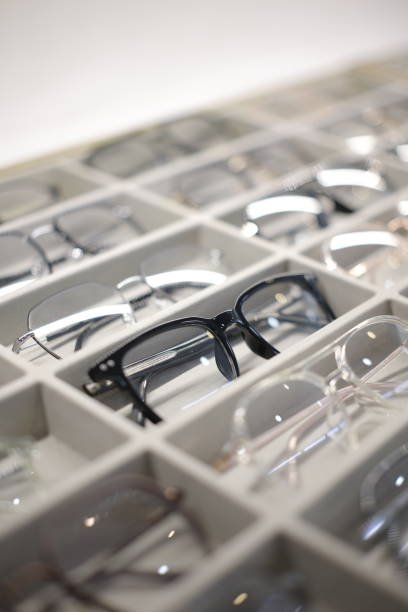
Once the prescription is confirmed, the next step is selecting frames. Derby offers a wide range of frame styles including rimless, half-rim, and full-rim glasses. Factors such as comfort, material, and face shape should guide the decision. Lightweight materials like titanium or acetate are popular for daily use.
Lens Selection
Lenses play the most critical role in prescription glasses. Common options include:
- Single vision lenses for one field of vision.
- Bifocal lenses with two segments.
- Progressive lenses for multiple vision ranges without visible lines.
- Blue light protection lenses for people spending long hours on digital screens.
Fitting and Adjustments
After frames and lenses are chosen, the glasses are fitted to ensure comfort and alignment. Proper fitting helps avoid discomfort and ensures lenses work effectively.
Types of Prescription Glasses Available in Derby
Reading Glasses
Designed for close-up tasks like reading and writing, these glasses help reduce strain for people with presbyopia or farsightedness.
Distance Glasses
These correct vision for long-distance activities such as driving or watching television.
Computer Glasses
Specially designed for screen work, they reduce glare, block harmful blue light, and support eye comfort during extended computer use.
Multifocal Glasses
These include bifocal and progressive lenses, suitable for individuals who need correction for both near and far vision in one pair of glasses.
Factors to Consider When Choosing Prescription Glasses
Lifestyle Needs
The right glasses should match your daily activities. For example, active individuals may prefer durable, lightweight frames, while office workers may opt for computer lenses.
Comfort and Fit
Ill-fitting glasses can cause discomfort. Adjustable nose pads, flexible arms, and proper measurements improve comfort.
Style Preferences
Frames are available in different designs such as classic, modern, or minimalist. Choosing a style that complements facial features enhances overall appearance.
Lens Coatings
Lens coatings can improve durability and vision clarity. Options include anti-glare, scratch-resistant, and UV-protection coatings.
Prescription Glasses and Eye Health
Preventing Eye Strain
Wearing the correct prescription glasses reduces eye strain, especially for people working long hours on computers or reading frequently.
Detecting Eye Conditions
Regular eye tests in Derby can detect early signs of eye conditions like glaucoma, cataracts, or macular degeneration. Prescription glasses play a role in managing symptoms in some cases.
Supporting Children’s Vision
Children may not always recognize vision problems. Getting prescription glasses at the right age helps with learning and development.
Aftercare and Maintenance of Prescription Glasses
Cleaning and Storage
Prescription glasses should be cleaned with a microfiber cloth and stored in a protective case when not in use. This helps prevent scratches and damage.
Adjustments Over Time
With regular use, frames may loosen. Opticians in Derby can provide adjustments to maintain comfort.
Updating Prescriptions
As eyesight changes, new lenses may be required. Regular check-ups ensure glasses remain effective for clear vision.
Alternatives to Prescription Glasses
Contact Lenses
Some people prefer contact lenses for flexibility and aesthetics. They provide clear vision without the need for frames.
Laser Eye Surgery
Laser surgery is a permanent option for some individuals with stable prescriptions. However, it is not suitable for everyone.
Conclusion
Prescription glasses in Derby play an important role in everyday life by improving vision, enhancing comfort, and supporting overall eye health. From eye tests to frame selection and lens customization, the process is straightforward and designed to meet individual needs. By understanding the different options available, people can make informed choices and enjoy clear, comfortable vision for years to come.
Tags : Prescription Glasses Derby