Portable Power Station Market Outlook (2025–2034): Trends, Technologies, and Global Opportunities
By Anna Poliatova 17-11-2025 60
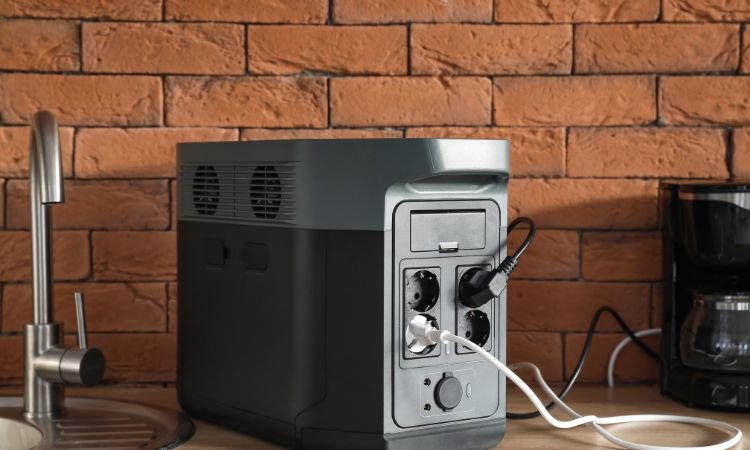
The portable power station market is entering one of its most transformative decades. As consumers, businesses, and governments worldwide prioritize clean, mobile, and reliable energy sources, portable power stations have emerged as essential tools across recreational, emergency, and professional applications.
According to recent market data, the global portable power station market was valued at USD 416.08 million in 2024. With rising adoption across outdoor activities, remote work, renewable integration, and disaster preparedness, the industry is forecasted to grow steadily. The market is projected to expand at a CAGR of 7.90% from 2025 to 2034, ultimately reaching USD 890.00 million by 2034. This impressive growth trajectory underscores the sector’s long-term potential and evolving relevance in a rapidly electrifying world.
Market Segmentation Overview
Portable power stations are no longer one-size-fits-all solutions. The market now spans a wide range of products differentiated by power type, capacity, battery technology, distribution channels, and use cases. Understanding this structure helps explain the sector’s diversified growth and increasing demand across consumer, commercial, and industrial segments.
Market by Power Type
Direct Power
Direct power portable stations serve users who need immediate plug-and-play electricity for small appliances, outdoor equipment, or electronics. This segment continues to grow due to rising consumer interest in simple, user-friendly backups for short-duration or on-the-go use. Their lightweight design and affordability make them popular among campers, day travelers, and mobile workers.
Hybrid Power
Hybrid power solutions combine battery storage with alternative energy inputs—most commonly solar. These units allow users to recharge through solar panels, wall outlets, or vehicle systems, giving them unmatched flexibility in off-grid environments. As sustainability and renewable integration become key consumer priorities, hybrid power stations are expected to outpace direct power units in future growth. They are particularly attractive for RV owners, outdoor enthusiasts, and homeowners seeking long-term, eco-friendly backup solutions.
Market by Capacity
Less than 500 Wh
This category targets ultra-portable solutions ideal for smartphones, tablets, drones, and small electronics. Compact designs and low weight make them popular for outdoor activities and emergency kits. With growing interest in micro-mobility and personal tech, this segment continues to maintain solid consumer demand.
501–1,000 Wh
Balancing portability with moderate power availability, this segment is well-suited for camping, field photography, and small appliances. Its versatility makes it one of the market’s most competitive and rapidly expanding categories.
1,001–1,500 Wh
This mid-to-high range serves more energy-intensive use cases such as home emergency backup or professional fieldwork. Increasing power outages in some regions and rising adoption of renewable-powered homes are expected to drive stronger growth in this segment.
Above 1,500 Wh
High-capacity power stations are ideal for RV living, construction sites, off-grid homes, and extended outage scenarios. These systems are increasingly being integrated with solar arrays and smart management apps, making them central to emerging home energy ecosystems.
Others
This includes niche or emerging capacity innovations that cater to specialized sectors such as marine, industrial, and scientific field applications.
Market by Technology
Lithium-Ion
Lithium-ion remains the dominant technology thanks to its high energy density, light weight, and longer battery life. The transition toward LiFePO4 (Lithium Iron Phosphate) variants is accelerating due to their enhanced safety, thermal stability, and significantly extended lifespan. As battery costs continue to decline through 2034, lithium-ion is expected to push innovation across all power capacity categories.
Sealed Lead-Acid
While sealed lead-acid technology is bulkier and less efficient, it retains relevance in price-sensitive markets and rugged-use applications. However, its share is expected to diminish as lithium-ion solutions become increasingly affordable and widely available.
Market by Distribution Channel
E-commerce continues to dominate the retail landscape for portable power stations. Online platforms allow consumers to compare products, read reviews, and access brands globally. Direct-to-consumer companies have benefited greatly from this shift.
Offline channels—including specialty outdoor retailers, electronics stores, and industrial suppliers—remain significant, particularly for high-capacity systems where professional consultation is valuable. OEM partnerships with RV manufacturers, solar companies, and construction suppliers are also expanding market reach.
Market by Application
Portable power stations serve a broad range of practical applications:
Emergency Power Backup: Increasing extreme weather events and grid instability drive strong demand for reliable emergency power solutions.
Outdoor Recreation: From camping and hiking to digital nomad lifestyles, portable power has become essential for off-grid convenience.
Professional Use: Industries such as filmmaking, construction, environmental research, and remote field service rely on mobile, silent, and emission-free power.
Electronics Support: As personal and professional devices multiply, portable power stations provide consistent charging capabilities across various environments.
Regional Analysis
North America
The region leads the market due to its strong camping culture, thriving RV industry, and high disaster-preparedness spending. Technological innovation and early adoption further contribute to its dominance.
Europe
Europe’s sustainability initiatives and widespread outdoor recreation activities fuel strong demand for hybrid and eco-friendly portable power systems.
Asia-Pacific
APAC is projected to be the fastest-growing region, driven by rapid urbanization, frequent power outages, expanding middle-class populations, and rising interest in outdoor lifestyles.
Latin America
Demand is increasing in remote regions where solar-integrated power stations provide critical off-grid energy solutions.
Middle East & Africa
With many communities still lacking stable grid access, high-capacity solar-compatible portable stations hold strong potential in both residential and commercial sectors.
Competitive Landscape
Leading companies such as EcoFlow, Jackery, Anker, Bluetti, and Goal Zero continue to push boundaries with improvements in fast charging, solar compatibility, modular battery systems, and mobile app integration. Competition is intensifying as more innovative startups enter the market and existing energy companies expand into portable storage solutions.
Market Outlook for 2025–2034
The forecast period promises significant advancements in battery technology, solar integration, and smart energy management. Affordable high-capacity systems, modular batteries, and AI-enabled power optimization will play a major role in shaping the next generation of portable power stations. With a projected market value of USD 890.00 million by 2034, the sector is poised for strong and sustained growth.
Portable power stations are no longer niche gadgets—they are becoming essential components of modern living. As the world moves toward cleaner, more resilient, and mobile energy systems, this market will continue to expand and evolve, providing vast opportunities for consumers and businesses alike.