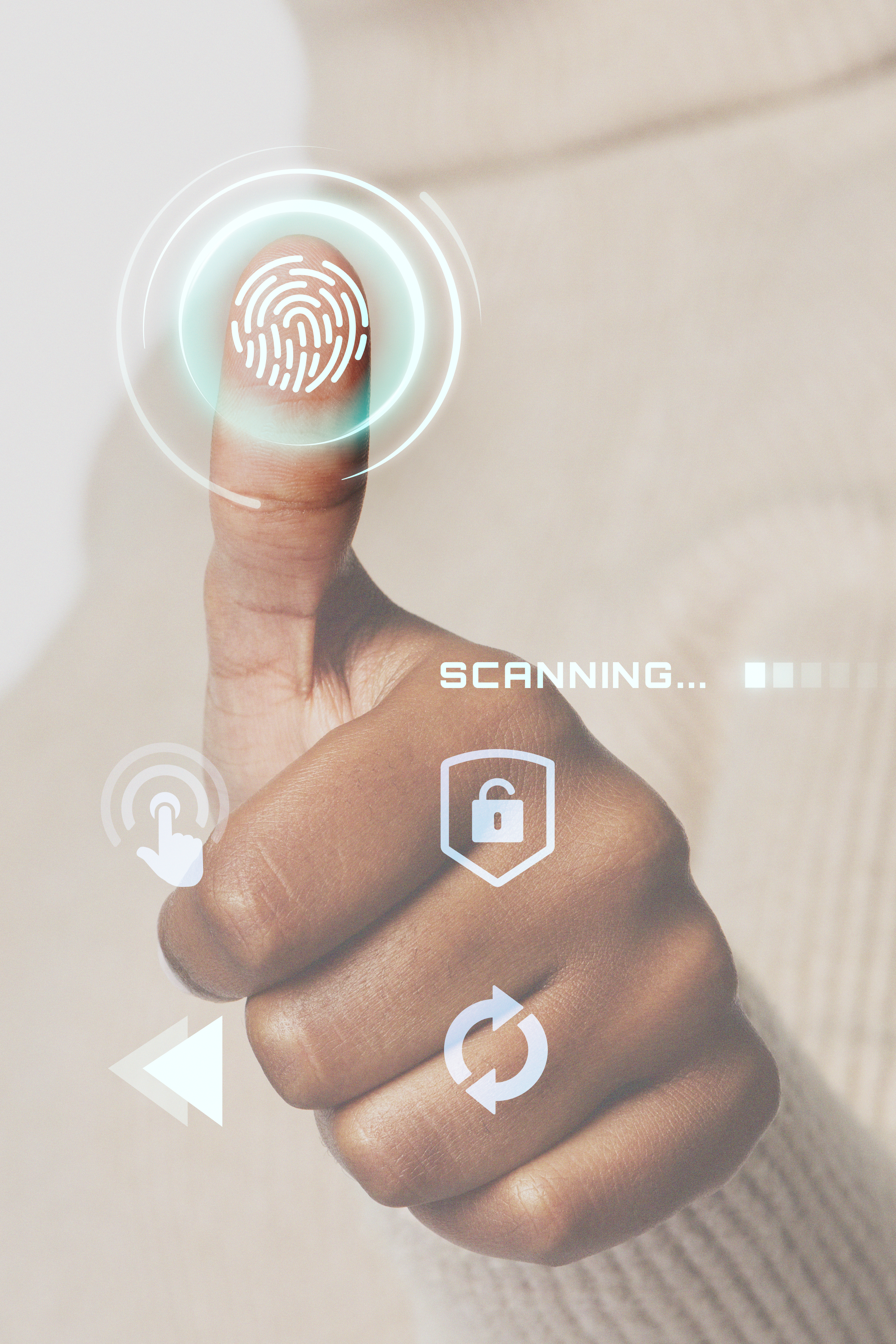
Biometric authentication market has become one of the most transformative fields in digital security, offering innovative solutions for verifying user identity through physical and behavioral traits. Businesses across industries are adopting biometric technologies to protect data, reduce fraud, and improve the convenience of authentication processes. With growing cybersecurity threats and increasing regulatory focus on privacy, biometric systems are now central to how companies design secure access and identity verification solutions.
Understanding Biometric Authentication
Biometric authentication is the process of identifying or verifying a person using measurable biological characteristics. These can include fingerprints, facial features, iris patterns, or voice recognition. Unlike passwords or tokens, biometrics are tied to an individual and cannot be easily replicated or forgotten. This makes them a preferred method for enhancing security in both physical and digital environments. Modern businesses use biometrics not only for access control but also for streamlining workflows and customer verification in remote operations.
Types of Biometric Technologies
Several types of biometric authentication technologies are widely used today. Fingerprint recognition remains the most common due to its accuracy, low cost, and ease of integration into devices. Facial recognition has gained significant traction, especially in smartphones and surveillance systems, offering contactless verification and quick matching. Iris recognition provides extremely high accuracy but is more costly, making it ideal for secure facilities and government use. Voice recognition analyzes vocal patterns to enable hands-free authentication in call centers and mobile devices. Behavioral biometrics, which track typing rhythm or mouse movements, add another layer of security by monitoring unique user behaviors.
Adoption Across Industries
Businesses in banking, healthcare, retail, and government sectors have embraced biometric authentication to safeguard sensitive data and improve operational efficiency. Banks use biometric verification for online transactions, reducing identity theft and ensuring secure access to mobile applications. Healthcare organizations implement fingerprint and iris recognition to manage patient records securely and prevent unauthorized access to medical information. In retail, facial recognition enables personalized customer experiences and faster checkouts. Government agencies use biometrics for border control, national ID programs, and law enforcement. These applications highlight the technology’s versatility and growing importance in everyday operations.
Advantages of Biometric Authentication
The primary advantage of biometric authentication is enhanced security. Since biometric traits are unique to each individual, they minimize risks of password theft or identity sharing. Biometrics also improve convenience by eliminating the need to remember complex passwords. They accelerate login processes and provide seamless access control, whether for employees entering a facility or users accessing online services. Additionally, biometrics support compliance with data protection laws by offering traceable and auditable methods of identity verification. For businesses, this combination of security and efficiency leads to improved customer trust and reduced fraud-related losses.
Challenges and Limitations
Despite their benefits, biometric systems present several challenges. Privacy concerns are a major issue, as biometric data is sensitive and permanent. A breach involving such data can have lasting consequences. Accuracy can also vary depending on environmental conditions or changes in a person’s appearance. High implementation costs can limit adoption, particularly for small organizations. Furthermore, integrating biometric systems with legacy infrastructure requires careful planning. Companies must ensure compliance with data protection regulations and establish strong encryption and consent mechanisms to safeguard stored biometric information.
Emerging Trends in Biometric Technology
Advancements in artificial intelligence and machine learning are enhancing the accuracy and adaptability of biometric systems. Multimodal authentication, which combines two or more biometric traits, is becoming popular for higher reliability. Cloud-based biometric solutions are gaining momentum, allowing businesses to deploy authentication across multiple locations securely. Contactless technologies, such as facial and iris recognition, have grown significantly due to hygiene concerns after the pandemic. Additionally, decentralized identity systems are being explored to give users greater control over their biometric data, ensuring privacy and transparency in digital interactions.
Future Outlook
The future of biometric authentication lies in combining high security with user-centric design. As remote work, digital payments, and online services continue to expand, biometrics will play an even larger role in ensuring secure identity verification. Integration with blockchain and AI will further improve data integrity and real-time authentication capabilities. Businesses that invest early in advanced biometric solutions will gain a competitive advantage by creating safer, more efficient user experiences. However, the success of this technology will depend on responsible data management, ethical use, and adherence to global privacy standards.