The Future of Dairy: A Complete Guide to Plant-Based Milk Recipe Formulation
The food industry is changing fast, and one of the biggest shifts we see today is the growing demand for plant-based milk. Consumers are moving away from traditional dairy due to health concerns, lactose intolerance, environmental awareness, and the rise of vegan lifestyles. As a result, brands are actively working on plant-based milk recipe formulation to meet this demand with innovative, nutritious, and tasty alternatives.
In this post, let’s explore the essentials of plant-based milk recipe formulation—covering ingredients, processes, challenges, and opportunities—so food entrepreneurs and startups can create successful products.
Why Plant-Based Milk?
Health Benefits – Many people prefer plant-based options for lower fat, cholesterol-free, and allergen-free choices.
Lactose Intolerance – A large part of the global population cannot digest lactose, making dairy alternatives an essential part of their diet.
Sustainability – Plant-based milk production usually requires less water and reduces greenhouse gas emissions compared to dairy farming.
Vegan and Ethical Lifestyle – Consumers are more aware of animal welfare, making cruelty-free alternatives popular.
Popular Sources for Plant-Based Milk
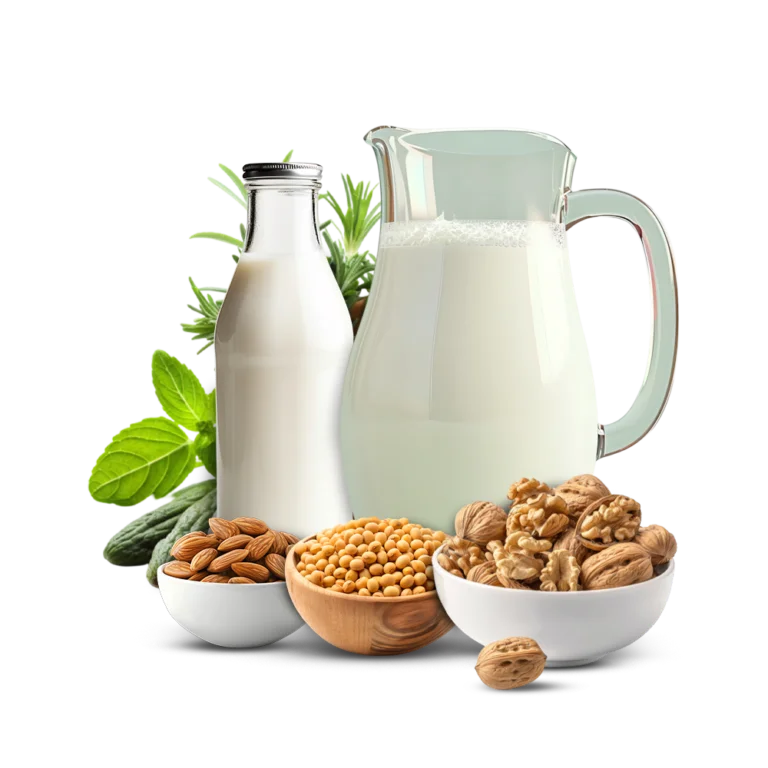
When formulating plant-based milk, the choice of raw material is key. Some of the most common bases include:
Soybeans – High in protein, creamy texture, widely used in the industry.
Almonds – Light, nutty flavor, but water-intensive to produce.
Oats – Creamy, sustainable, and currently trending worldwide.
Coconut – Rich and aromatic, great for flavor variety.
Rice – Hypoallergenic, but lower in protein.
Cashews – Smooth, creamy mouthfeel, good for premium products.
Each ingredient brings unique nutritional values, textures, and sensory profiles. The right choice depends on the target market, cost, and product positioning.
Key Steps in Recipe Formulation
Raw Material Selection
Choose high-quality, food-grade ingredients.
Consider allergens, nutrition profile, and availability.
Soaking and Blending
Grains, nuts, or seeds are soaked to soften.
Blended with water to extract the milk base.
Filtration
The blended mixture is filtered to separate pulp and ensure smoothness.
Fortification
To compete with dairy, fortification with calcium, Vitamin D, and Vitamin B12 is common.
Proteins can be added for nutritional balance.
Flavoring and Sweetening
Options include vanilla, cocoa, or natural sweeteners like dates or stevia.
Sugar-free or low-calorie options are also popular.
Stabilizers and Emulsifiers
Plant-based milk may separate over time. Stabilizers like lecithin or guar gum help improve texture and shelf life.
Pasteurization / UHT Processing
Ensures food safety and extends shelf life.
UHT is often used for commercial products.
Challenges in Plant-Based Milk Formulation
Taste and Texture – Consumers expect plant-based milk to taste and feel like dairy. Achieving creaminess without artificial additives is a challenge.
Nutritional Balance – Dairy milk has natural calcium and protein; plant-based versions often need fortification.
Cost of Production – High-quality nuts and seeds can be expensive, affecting pricing.
Shelf Stability – Without proper processing and stabilizers, plant-based milk can separate quickly.
Market Trends and Opportunities
The global plant-based milk market is expected to grow rapidly in the next decade. Trends include:
Barista-Friendly Products – Formulations designed to froth well for coffee lovers.
Protein-Enriched Options – Adding pea protein or soy protein to match dairy nutrition.
Clean Label – Consumers prefer products with fewer additives and recognizable ingredients.
Regional Innovations – Using local raw materials like millet, hemp, or chickpeas for unique offerings.
How a Food Consultant Can Help
For startups and established brands, creating the right plant-based milk recipe formulation can be complex. Food consultants provide:
Expertise in R&D and product trials
Guidance on fortification and nutrition labeling
Support with shelf life testing
Knowledge of FSSAI and global regulations
Help in scaling from kitchen samples to commercial production
Conclusion
Plant-based milk is no longer a niche—it is becoming a mainstream choice for millions of consumers worldwide. By focusing on nutritional value, taste, sustainability, and innovation, brands can stand out in this competitive market.
Whether you are an entrepreneur planning to launch your first dairy alternative or a brand looking to expand into plant-based products, the right recipe formulation is the foundation of success. With expert guidance, you can create a product that meets consumer demand and builds long-term growth.