Pet Cremation Decisions That Often Catch Owners Off Guard After a Loss
By Amelia Brown 27-05-2026 87
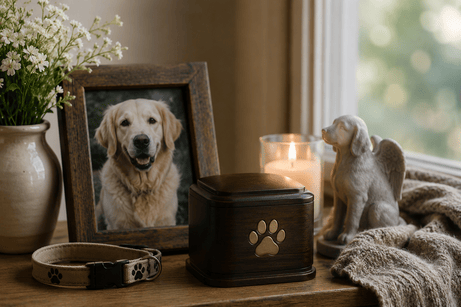
Losing a pet is one of the few experiences that combines grief with immediate practical decisions. For many people, dogs, cats, birds and other companion animals have been part of daily routines for years. They have occupied favourite chairs, greeted family members at the door and quietly sat nearby during difficult periods of life. When they pass away, the emotional impact may arrive alongside unfamiliar questions about aftercare, memorials and pet cremation arrangements.
Because conversations around pet loss are still less common than discussions about human bereavement, many owners discover they know very little about available options. Decisions often need to be made while emotions are high, which may leave families feeling overwhelmed. Becoming familiar with choices beforehand does not lessen grief, but it may reduce uncertainty.
For readers interested in broader wellbeing and family-focused experiences, the consumer stories section on The Consumers Feedback guest community often explores everyday challenges that people rarely anticipate until they face them themselves.
The First Hours After Losing a Pet Can Feel Disorienting
Some losses happen after long-term illness, where owners have time to prepare emotionally. Others happen unexpectedly through accidents or sudden medical conditions. Even when families know a pet's life is nearing an end, the reality often feels different once it arrives.
Many owners report asking practical questions almost immediately:
Can I spend additional time saying goodbye?
What happens if my pet passes away outside business hours?
Should children be involved in discussions?
How quickly must arrangements be made?
Will ashes be returned?
The answers vary depending on veterinary clinics, local services and personal preferences. The challenge is that few people research these topics beforehand because doing so may feel uncomfortable or premature.
Pet Cremation Options Are More Varied Than Many Expect
A common misconception is that pet cremation follows a single standard process. In reality, there are different arrangements designed around family preferences.
Individual cremation generally means one pet is cremated separately, allowing ashes to be returned to owners if requested. Shared or communal cremation involves multiple animals and ashes are typically not returned.
Neither option is inherently right or wrong. Preferences often depend on emotional attachment, cultural traditions, budget considerations or whether families want a physical memorial.
Some households choose urns placed at home. Others scatter ashes in meaningful outdoor locations where permitted. Some keep paw prints, framed photographs or memory boxes instead.
Modern grieving practices increasingly reflect the reality that pets occupy genuine family roles. Memorial choices have expanded because emotional needs differ between households.
When researching aftercare options, some owners find it helpful to read guides explaining processes in straightforward terms. Information about arranging a compassionate pet farewell may provide insight into questions families often ask during emotionally difficult moments, including collection arrangements and memorial preferences.
Children Often Process Pet Loss Differently From Adults
For children, a pet's death may be an early encounter with grief. Responses vary significantly depending on age and emotional development.
Younger children may repeatedly ask when a pet is coming back because permanence is difficult to grasp. Older children may show sadness through behaviour changes rather than conversations.
Experts often encourage simple, honest explanations rather than vague language. Euphemisms may unintentionally create confusion or anxiety.
Families sometimes involve children in remembrance activities such as:
Creating photo albums
Writing letters to pets
Planting flowers or trees
Drawing favourite memories
Participating in memorial rituals
These actions do not remove sadness, but they may help children express emotions in manageable ways.
Surviving Pets May Also Show Behaviour Changes
People occasionally notice altered behaviour in remaining household pets after a companion animal dies.
Changes might include:
Reduced appetite
Searching behaviours
Restlessness
Increased clinginess
Sleep disruption
Animals respond differently, and behaviour shifts do not always indicate grief specifically. Routine changes alone may affect them. Still, maintaining familiar feeding schedules and exercise patterns may provide stability during transition periods.
Costs Are Frequently Considered Later Than Families Expect
Conversations around money during grief often feel uncomfortable, yet practical considerations remain unavoidable.
Pet cremation costs commonly vary according to:
Animal size
Individual or communal arrangements
Travel requirements
Memorial products
Collection services
Regional location
Many owners discover they never discussed preferences beforehand, leaving decisions to occur under emotional pressure.
Transparent explanations around inclusions may help families avoid confusion. Asking questions early is reasonable and does not diminish affection or grief.
Memorial Practices Around Pets Have Changed Over Time
A generation ago, memorial options for pets were often limited. Today, attitudes toward companion animals continue to evolve.
Many households openly acknowledge pet bereavement as meaningful loss rather than something to minimise. This shift has influenced aftercare practices and remembrance traditions.
People increasingly choose:
Custom urns
Paw impressions
Keepsake jewellery
Framed memorial art
Photo books
Garden spaces dedicated to pets
These choices reflect personal coping styles rather than trends. Some families prefer private remembrance while others create visible memorials.
Readers interested in everyday stories involving family life, emotional resilience and unexpected decisions may also browse contributor discussions through consumer guest articles and personal experiences for related perspectives.
Planning Ahead Does Not Mean Expecting Loss
Preparing for future decisions sometimes feels uncomfortable because people worry it signals pessimism.
Yet planning often serves a practical purpose.
Discussing preferences before an urgent situation may reduce pressure later. Families occasionally consider questions such as:
Would ashes be kept or scattered?
Who should be involved in decisions?
What budget feels manageable?
Would memorial items matter?
Preparation is not about anticipating loss. It is about reducing uncertainty if difficult moments arise.
Many owners create plans for veterinary emergencies, insurance and long-term care. End-of-life preferences may simply become another part of responsible pet ownership.
Grief Has No Standard Timeline
One of the most surprising realities surrounding pet loss is the variation in grieving experiences.
Some people recover gradually over weeks.
Others continue feeling sadness months or years later when routines trigger memories.
Both experiences may be normal.
Grief does not always reflect the length of ownership. A rescue pet adopted later in life may leave a profound impact. A childhood pet may represent memories tied to entire life stages.
Responses from friends or workplaces sometimes underestimate pet loss, which may leave owners feeling isolated. Increasing public conversations around bereavement continue changing perceptions.
Acknowledging grief without judgement creates space for healthier coping.
Closing Thoughts
Most people hope they will never need to research pet cremation options. Yet when the time arrives, uncertainty often adds to emotional strain. Understanding processes beforehand does not remove sadness, but it may help families make decisions with greater confidence and less pressure.
Every household remembers pets differently. Some keep photographs. Some create memorial spaces. Others prefer quiet reflection. There is no universal way to honour companionship that may have shaped years of everyday life.
Tags : pet cremation