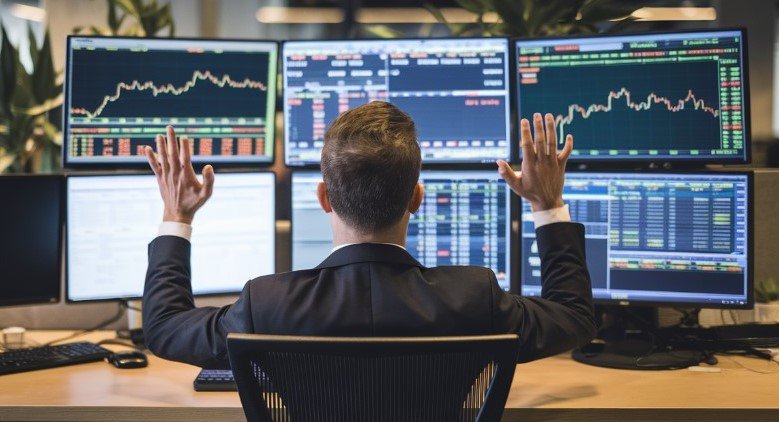
In recent years, Bitcoin futures have become a powerful financial instrument for traders looking to capitalize on the volatility of cryptocurrency markets. However, for beginners and even seasoned traders testing new strategies, jumping straight into live trading can be a costly mistake. That’s where paper trading comes in—a simulated trading environment that allows you to learn and practice without putting real money on the line.
If you're curious about trading crypto futures but hesitant to risk your capital, this guide will explain how paper trading Bitcoin futures works, why it's essential, and how to get started.
________________________________________
What Are Bitcoin Futures?
Bitcoin futures are standardized contracts that allow traders to speculate on the future price of Bitcoin. Instead of buying the digital currency itself, you agree to buy or sell it at a specific price on a future date. These contracts are often traded on regulated exchanges such as the Chicago Mercantile Exchange (CME) and Binance Futures, giving participants exposure to Bitcoin without needing to hold the actual asset.
Some of the benefits of trading Bitcoin futures include:
• The ability to go long or short (profit whether prices rise or fall)
• Leverage for controlling larger positions with less capital
• Better risk management tools for institutions and sophisticated traders
But with leverage comes high risk, especially for newcomers. That’s why paper trading is a smart first step.
________________________________________
What is Paper Trading?
Paper trading is the process of simulating trades in real market conditions without using actual money. It's like a flight simulator for trading—ideal for practicing strategies, learning trading platforms, and gaining confidence.
You can use demo accounts offered by most trading platforms to paper trade Bitcoin futures. These accounts mirror the live market, but with virtual funds, so there’s no financial risk involved.
________________________________________
Why Paper Trade Bitcoin Futures?
🧠 1. Learn Without Losing Money
Bitcoin is notoriously volatile. A single news headline can send its price swinging 10% in minutes. With that kind of risk, it's easy for inexperienced traders to lose their capital quickly.
Paper trading Bitcoin futures gives you a safe space to:
• Understand contract specifications (margin, tick size, expiration)
• Get familiar with leverage and how quickly it can magnify gains—or losses
• Practice entering and exiting positions with confidence
📊 2. Test Strategies in Real Market Conditions
Whether you’re using moving averages, breakout strategies, or order flow analysis, paper trading lets you validate your approach in live market conditions without risking your account balance.
This kind of testing is invaluable. It helps answer critical questions like:
• Is my stop-loss too tight?
• Does my strategy work better in trending or sideways markets?
• How does my strategy hold up during high-volatility events?
🧩 3. Master Platform Tools and Order Types
Each trading platform offers different tools, interfaces, and order types (market, limit, stop, OCO, etc.). Misplacing a trade due to confusion about the interface is a common (and expensive) beginner mistake.
Paper trading gives you the time and space to:
• Get comfortable with platform navigation
• Understand how to use indicators and charting tools
• Learn how different order types behave in live markets
🧘 4. Build Emotional Discipline
Trading is not just about strategy—it’s also about psychology. When real money is at stake, fear and greed can take over, leading to irrational decisions.
Even though paper trading lacks the emotional pressure of live trading, it helps you:
• Develop a routine
• Stick to your trading plan
• Practice patience and discipline
By repeating good habits in a low-stress environment, you’re more likely to carry them into real trading.
________________________________________
How to Start Paper Trading Bitcoin Futures
✅ 1. Choose a Platform That Offers Paper Trading
Several trading platforms offer simulated trading environments for Bitcoin futures, including:
• Binance Futures Testnet
Offers a near-identical interface to its live platform, perfect for practicing with futures contracts.
• TradingView + Broker Integration
Lets you connect to brokers that offer paper trading accounts while using TradingView’s advanced charting.
• ThinkorSwim (TD Ameritrade)
Great for U.S.-based users interested in CME Bitcoin futures, though not all crypto products are available.
Make sure the platform supports the type of Bitcoin futures you want to trade—perpetual contracts, quarterly expirations, or micro contracts.
________________________________________
✅ 2. Set a Realistic Virtual Account Balance
When starting out, set your virtual account balance to reflect what you plan to use in real trading. If you're going to start with $2,000 live, don't set your paper account to $100,000. You want to simulate your real-world constraints.
________________________________________
✅ 3. Track Your Trades and Results
Treat your paper trading account as if it were real. Keep a trading journal where you log:
• Entry and exit points
• Reasons for taking the trade
• Outcome (profit/loss)
• Lessons learned
This reflective practice helps you refine your strategies and become a more disciplined trader.
________________________________________
✅ 4. Know When You’re Ready for Real Trading
How do you know it’s time to go live? Some signs include:
• You've achieved consistent profitability over a large sample of paper trades
• You’re confident using all platform features and order types
• You've defined a risk management plan and stick to it
• You can control your emotions—even during fake trades
Even then, consider starting with a small real account to bridge the gap between simulation and live trading.
________________________________________
Common Mistakes to Avoid in Paper Trading
While paper trading is extremely valuable, it’s not without pitfalls. Avoid these mistakes:
• Overtrading: Just because it’s not real money doesn’t mean you should take every setup. Focus on quality over quantity.
• Ignoring Slippage or Commissions: Some platforms don’t simulate real-world trading costs. Factor these into your planning.
• Developing False Confidence: Paper trading can't fully simulate emotional pressure. Don’t mistake paper success for guaranteed real profits.
________________________________________
Final Thoughts
Bitcoin futures offer incredible opportunities for traders who understand the market and manage risk effectively. But diving in without preparation can lead to fast losses. That’s why paper trading is the smart way to learn especially in such a volatile and fast-moving space.
By simulating real trades with zero financial risk, you gain the knowledge, experience, and confidence needed to navigate the world of crypto futures. Whether you're learning platform mechanics, testing a new strategy, or refining your trading discipline, paper trading is an essential part of every successful trader’s journey.
Before risking your capital in the real market, give yourself the advantage of practice. Paper trading Bitcoin futures isn’t just smart—it’s necessary.