OFFICES AND MODERN DESIGN: HOW CONTEMPORARY WORKSPACES ARE SHAPING THE FUTURE OF WORK
By robertseo 05-02-2026 97
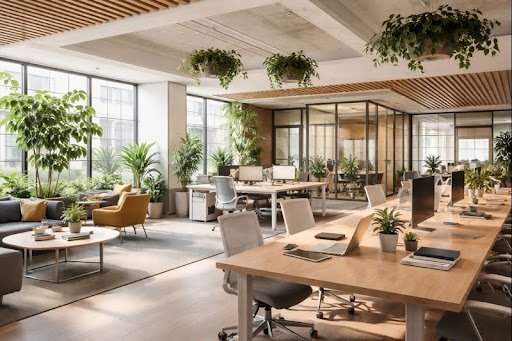
The modern office is no longer just a physical location where employees arrive, sit at desks, and complete assigned tasks. It has transformed into a strategic environment that reflects company culture, supports innovation, and responds to changing work behaviors. With the growth of hybrid work, digital collaboration, and a stronger focus on employee well-being, office design now plays a critical role in business performance. A well-designed office can improve productivity, strengthen communication, and increase long-term employee satisfaction.
THE EVOLUTION OF OFFICE SPACES
Office design in the past was based on hierarchy, structure, and control. Senior management occupied private offices, while employees worked in cubicles arranged in rigid patterns. These spaces were efficient for supervision but often failed to support creativity or collaboration. Comfort and mental well-being were rarely considered in the design process.
As industries shifted toward knowledge-based work, companies began to understand that innovation and problem-solving require interaction and flexibility. This led to the rise of open-plan offices and shared spaces. Although these designs improved visibility and communication, they also introduced issues such as noise, distractions, and lack of privacy. Modern office design developed as a response, aiming to balance openness with focus and structure.
HUMAN-CENTERED DESIGN IN MODERN OFFICES
Human-centered design is a defining principle of contemporary office spaces. Instead of designing offices purely for efficiency, modern workplaces are built around the needs of people. Physical comfort, mental well-being, and emotional balance are now key considerations.
Ergonomic furniture plays a major role in supporting health and productivity. Adjustable desks, supportive chairs, and flexible seating options help reduce physical strain and encourage movement throughout the day. Lighting is equally important. Natural light improves mood and concentration, while carefully designed artificial lighting reduces eye strain and fatigue.
Air quality, temperature control, and acoustics also contribute to a comfortable environment. When employees feel physically at ease, they are more focused, engaged, and motivated in their work.
FLEXIBILITY AS A CORE DESIGN PRINCIPLE
Flexibility is one of the most important aspects of modern office design. Work is no longer tied to a fixed desk or a single way of working. Employees move between focused tasks, collaborative meetings, creative sessions, and virtual communication throughout the day.
Modern offices are designed with modular furniture, movable walls, and multi-purpose spaces. A meeting room can quickly transform into a workshop area, while a quiet zone can support team collaboration when required. This flexibility allows organizations to adapt to growth, restructuring, or changing work patterns without expensive renovations.
Flexible office layouts also support hybrid work models. Shared desks, bookable spaces, and adaptable layouts ensure efficient use of space while giving employees freedom and choice.
THE ROLE OF TECHNOLOGY IN MODERN OFFICE DESIGN
Technology is deeply integrated into contemporary office environments. Reliable internet access, power availability, and digital collaboration tools are essential components of modern design. Technology is no longer added as an afterthought but planned as part of the workspace from the beginning.
Meeting rooms are designed to support both in-person and remote participants. Integrated screens, cameras, microphones, and sound systems ensure smooth communication and equal participation. Smart building systems automatically adjust lighting, temperature, and ventilation based on usage, improving comfort and energy efficiency.
SMART OFFICES AND DATA-DRIVEN SPACES
Smart office solutions provide valuable insights into how spaces are used. Sensors and digital systems track occupancy patterns and space utilization, helping organizations optimize layouts and resources. This data-driven approach allows companies to create more efficient and responsive workplaces.
However, transparency and trust are essential. Employees must feel confident that data is used to improve their experience rather than monitor behavior. Ethical use of technology supports a positive workplace culture and encourages acceptance of smart solutions.
DESIGNING FOR COLLABORATION AND CREATIVITY
Collaboration is a key goal of modern office design. Many innovative ideas emerge from informal conversations rather than structured meetings. To support this, offices include shared spaces such as lounges, open seating areas, and casual meeting zones.
These spaces are designed to feel welcoming and relaxed. Comfortable furniture, warm colors, and natural materials encourage interaction and creativity. Writable walls and flexible layouts allow teams to brainstorm and share ideas freely.
BALANCING COLLABORATION WITH FOCUS
While collaboration is important, modern offices also recognize the need for privacy and concentration. Continuous noise and interruptions can reduce productivity and increase stress. A successful office design offers a variety of environments that support different work styles.
Quiet zones, private rooms, and soundproof booths provide spaces for focused work and confidential conversations. Acoustic planning reduces noise levels in open areas, creating a balanced and productive workplace.
OFFICE DESIGN AS A REFLECTION OF BRAND IDENTITY
Office design is a powerful expression of a company’s brand and values. Colors, materials, and spatial layouts communicate messages about culture, professionalism, and innovation. A thoughtfully designed office strengthens brand identity and builds trust with employees and visitors.
Modern offices often include unique design elements that reflect company values or local culture. Artwork, custom furniture, and personalized spaces create authenticity and help employees feel connected to their workplace.
THE IMPORTANCE OF BIOPHILIC DESIGN
Biophilic design focuses on integrating natural elements into office environments. Plants, natural materials, organic shapes, and natural light reduce stress and improve well-being. Even visual connections to nature can have a positive psychological effect.
Plants also improve air quality and acoustic comfort, making them both functional and aesthetic additions. Biophilic design supports the idea that people perform better in environments that feel natural and balanced.
SUSTAINABILITY IN MODERN OFFICE SPACES
Sustainability is now a central consideration in office design. Companies aim to reduce environmental impact while creating healthier work environments. Energy-efficient lighting, recycled materials, and low-emission furniture are widely used in modern offices.
Natural ventilation and daylight reduce energy consumption and improve indoor comfort. Sustainable offices not only benefit the environment but also reduce long-term operational costs.
LONG-TERM VALUE OF SUSTAINABLE OFFICES
Sustainable office design delivers long-term benefits beyond environmental responsibility. Employees are more engaged when they work in spaces that align with their values. Sustainability also strengthens employer branding and supports talent attraction.
Durable materials and flexible layouts reduce the need for frequent renovations, supporting long-term planning and responsible use of resources.
THE PSYCHOLOGICAL IMPACT OF OFFICE DESIGN
Office environments have a strong influence on mental health and emotional well-being. Poor design can lead to stress, fatigue, and disengagement. Modern office design aims to create supportive environments that enhance focus and motivation.
Colors, lighting, and spatial organization affect mood and behavior. Warm tones create comfort, while brighter accents stimulate creativity. Clear layouts reduce cognitive overload and improve daily workflow.
DESIGNING FOR WELL-BEING AND INCLUSION
Modern offices are designed to support diversity and inclusion. Workspaces must be accessible and comfortable for people with different abilities, preferences, and working styles. Adjustable furniture, inclusive facilities, and quiet spaces support a wide range of needs.
Well-being-focused offices also include areas for rest and recovery. Break spaces are designed as comfortable retreats where employees can relax and recharge during the workday.
THE FUTURE OF OFFICES AND MODERN DESIGN
The purpose of the office continues to evolve. Offices are becoming collaboration hubs rather than mandatory daily workplaces. Their main role is to bring people together, support creativity, and strengthen company culture.
Future office design will focus on adaptability, smart technology, and sustainability. Offices will provide experiences that support human connection and innovation.
REDEFINING THE PURPOSE OF THE MODERN OFFICE
Modern office design is ultimately about people and purpose. Instead of focusing on desk numbers, organizations now design spaces that support collaboration, growth, and well-being.
By combining flexibility, human-centered design, technology, and sustainability, modern offices create environments where employees feel motivated, supported, and inspired, ensuring long-term success in an evolving world of work.
Tags : MODERN DESIGN