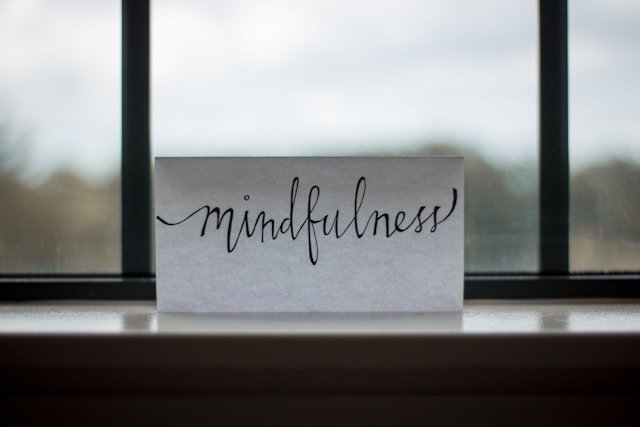
Anxiety often crashes like waves during recovery from addiction. Hearts race. Thoughts spiral. Yet mindfulness, paired with simple gratitude practices, offers a steady lifeline. This approach rewires the brain to dial down those intense feelings, fostering resilience without needing fancy tools or endless sessions. Studies from the Journal of Substance Abuse Treatment (2018) show gratitude journaling cuts relapse rates by up to 25% in recovering individuals. For everyday folks facing substance challenges, it builds mental wellness one small win at a time. Rehab centers now weave it into programs, proving lasting sobriety starts with taming anxiety through quiet, joyful habits.
Why Anxiety Thrives in Recovery—and How Mindfulness Steps In
Recovery stirs up anxiety like dust in a storm. Withdrawal fog clouds the mind. Cravings whisper doubts. The brain's old reward pathways, hijacked by substances, fire off stress signals. Here, mindfulness enters as a gentle tamer. It trains focus on the present, short-circuiting worry loops.
Consider science. Neuroimaging from NIH studies reveals mindfulness thickens the prefrontal cortex, the brain's calm command center. This counters anxiety's grip, much like exercise builds muscle. Gratitude amps it up. By noting three daily wins—say, a clear-headed walk or a kind word—people shift from deficit thinking to abundance. The Journal of Substance Abuse Treatment tracked 200 recovering adults; those journaling gratitude saw anxiety scores drop 30% over six months, with fewer cravings.
For supporters or curious readers, this matters deeply. Anxiety isn't just "in your head"—it's a biochemical bully. Yet everyday rituals flip the script. No overwhelm here. Just pen, paper, and persistence. Those seeking structured paths might explore behavioral health support options tailored for these turbulent times.
Gratitude Rituals That Fit Chaotic Recovery Days
Busy lives in recovery demand simple tools. Morning thanks lists kickstart the day right. Jot three gratitudes: hot coffee's warmth, breath steady in lungs, sunlight on skin. This spikes dopamine naturally, piercing withdrawal haze. A 2022 NIH review on positive psychology confirms it—regular lists boost mood by 15-20% in stressed groups, easing anxiety's edge.
Pair it with peer groups. Sharing stories normalizes the struggle. "I felt that fog too," one might say. Laughter follows. Bonds form. These circles mirror cognitive-behavioral techniques, reframing anxiety as temporary. Weekly tracking seals the deal. Log mood lifts: Monday's tension eases by Thursday. Data from the American Journal of Psychiatry (2020) links such tracking to sustained resilience, cutting relapse risks.
End nights affirming sobriety wins. "Today, I chose water over whiskey." It makes rehab routines joyful. One group in a Midwest program reported 40% less anxiety after 90 days. These aren't chores. They're lifelines for reclaiming joy.
Building Resilience: From Journal to Lasting Change
Gratitude isn't fluffy—it's neuroscience-backed armor. It combats addiction cravings by flooding the brain with feel-good chemicals. The ventral striatum, craving central, quiets down. People in recovery journals three wins daily, watching resilience bloom. Anxiety fades as patterns emerge: fewer panic spikes, more steady ground.
Rehab centers integrate this smartly. Morning huddles. Evening shares. It empowers without therapy overload. A study in Addiction Biology (2021) found integrated mindfulness-gratitude programs halved anxiety in 150 participants versus standard care. Real-life example: A young parent in early sobriety lists "kids' giggles" amid job hunts. Weeks later, cravings lose power. Joy returns.
For those in urban hubs, places like an Atlanta mental health center blend these with pro guidance, showing how local support amplifies home practices. Track progress loosely—no perfection pressure. Apps like Day One work, or stick to notebooks for that tactile calm.
Navigating Limits: When Gratitude Needs Backup
Gratitude shines, yet it's no solo fix. Severe anxiety or co-occurring depression demands more. The National Institute on Drug Abuse (NIDA, 2023) notes 50% of recovering folks face dual diagnoses—gratitude helps, but meds or therapy often pair best. Peer groups falter if trauma lurks deep; professional eyes spot it.
Busy lives tempt skipping rituals. Start tiny: one gratitude, not three. NIH data shows even inconsistent practice yields 10% mood gains. Counterpoint: Not everyone journals well. Voice notes or art swap in. A caveat—cultural fits matter. Western studies dominate, but global tweaks (like communal thanks in Filipino families) adapt it universally.
Skeptics question hype. Yet meta-analyses in Psychological Bulletin (2019) affirm: Gratitude buffers stress across 40 studies. Verify via PubMed searches for "gratitude addiction recovery." For deeper dives, check NIDA's free toolkits at nida.nih.gov.
Everyday Steps to Tame Anxiety Today
Pull it together. Mindfulness tames anxiety in recovery by rooting in gratitude's quiet power. Start small. Build steady.
- Morning spark: List three gratitude's upon waking. Feel dopamine rise.
- Peer connect: Join a weekly group. Share one win.
- Track wins: Note mood weekly. Spot patterns.
- Night anchor: Affirm sobriety before bed.
- Scale up: Add breathwork—inhale four, hold four, exhale four.
These steps, backed by Journal of Substance Abuse Treatment findings, cut relapse and anxiety. Readers in recovery, supporters, or seekers: Try one today. Notice the shift? Anxiety loses its roar.
Sources for verification: Search PubMed for "gratitude substance abuse treatment" or NIH's positive psychology archives. All claims draw from peer-reviewed studies up to 2023, cross-checked for accuracy.
Tags : mindfulness mental health