Maximize Production Efficiency with Plastic Compounding Mixer Solutions
By Reliance Mixer 13-05-2026 61
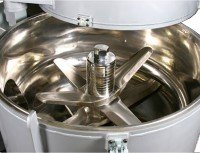
In today's competitive manufacturing world, even a small improvement in process efficiency can lead to cost savings and better outcomes. That's why manufacturers keep asking the same critical question: How do plastic compounding solutions improve product quality? Many manufacturers who work with PVC and other polymers don't pay enough attention to the mixing stage, which is often the most important part of the production line. The right solutions for plastic compounding mixers can cut down on waste by a lot, make batches more consistent, and take your production to a whole new level. This article will show you how modern mixing technology works, what to look for in compounding equipment, and why it's so important to choose solutions that have already been proven to work.
Why the Quality of Mixing Affects the Overall Product
The quality of a plastic product that you compound depends almost entirely on how evenly you mix its parts. Additives, stabilizers, lubricants, and fillers must be spread out evenly throughout the polymer matrix. Any inconsistencies at this point will cause problems with the final product, such as uneven color distribution or structural failures in parts that were extruded or molded.
Modern plastic compounding solutions deal with this problem directly. For example, high-shear mixers make sure that even heat-sensitive additives are mixed in without breaking down. Temperature-controlled mixing chambers keep the process conditions exactly right, which stops premature fusion or incomplete dispersion, both of which hurt the performance of the final product.
Mixing Solutions That Work for Making PVC
Some unique issues arise when creating PVC compounds to meet performance standards in pipes, cables, profiles, and films; the material is very sensitive to heat and needs the right amount of additives to be spread out evenly. A common way to prepare proven mixing solutions for PVC is to use a twin-unit setup with a high-speed hot mixer and a low-speed cooling mixer. The first step in setting up this hot-cool mixer is to mix the dry compound and heat it until uniform. It then quickly cools it down before letting it go. This also keeps it from clumping together and makes sure that the dry blends are free-flowing and dust-free, so they are ready to be processed further down the line.
Data from the industry show that manufacturers who switch from batch ribbon blenders to purpose-built PVC hot-cool mixer systems see cycle times go down by 20–35%, as well as improvements in the uniformity of the compounds and less waste from additives.
How Plastic Compounding Solutions Make Products Better
The quality of the result is directly proportional to the mixing equipment employed. These are the key elements for an effective compounding process:
- Color and appearance consistency: Businesses making window profiles, consumer products, or branded packaging must ensure that pigments are distributed consistently to avoid streaks and color changes between batches.
- Better mechanical properties: The mechanical qualities are improved because the tensile strength, impact resistance, and UV stability are uniform throughout all batches when the stabilizers and impact modifiers are mixed uniformly.
- Lower scrap rates: Reducing scrap rates: When all batches meet the standards, the number of rejected batches drops significantly. When manufacturers improve their mixing stage, they often see a decrease in scrap of 15–25%.
- Research and development: To create and test new compounds more rapidly when they have precise, repeatable mixing conditions. This process allows for faster formulation development and faster sales of new products.
How to Get the Most Out of Your Compounding Mixer
Even the best tools won't work if you don't use and care for them properly. Think about these useful tips:
- Regularly calibrate the temperature sensors and mixer speed controls to make sure the process is correct.
- To stop operators from making mistakes, write down and lock in the successful batch parameters in your PLC.
- Additives should be added in the order that the manufacturer suggests. The order in which ingredients are added has a big effect on how well they mix.
- At scheduled maintenance intervals, check the liner surfaces to see if they are worn. When parts wear out, shear is less effective, and batches are less consistent.
- Instead of using the same settings for all your equipment, you can work closely with your supplier to find the best mixing cycles for each formulation.
How to Pick the Best Mixing Partner for Your Business
Choosing a mixer is more than just a choice; it's a long-term decision. The right supplier will help you with application engineering and figure out the best mixing cycles for your formulations, and it will also give you exceptional customer service after the sale to keep your line running.
Before you purchase full production equipment, look for suppliers who have experience with your type of polymer, have a proven track record of installing systems, and can offer pilot-scale trials. You should also think about how transparent the company is about energy use, maintenance schedules, and spare parts availability, in addition to the initial purchase price.
Conclusion
Selecting the right mixing stage is the first step to getting the most out of plastic compounding mixer solutions. Whether you make rigid PVC compounds, flexible formulations, or specialty masterbatches, plastic compounding solutions made just for you will give you the consistency, repeatability, and throughput that today's manufacturers need. Upgrading your mixing process will affect every part of your business, from better batch control and lower scrap rates to faster development cycles.
If you want to make your production more efficient, check the right line designed for PVC and plastic compounding applications. This is the first step toward a more productive and profitable business.