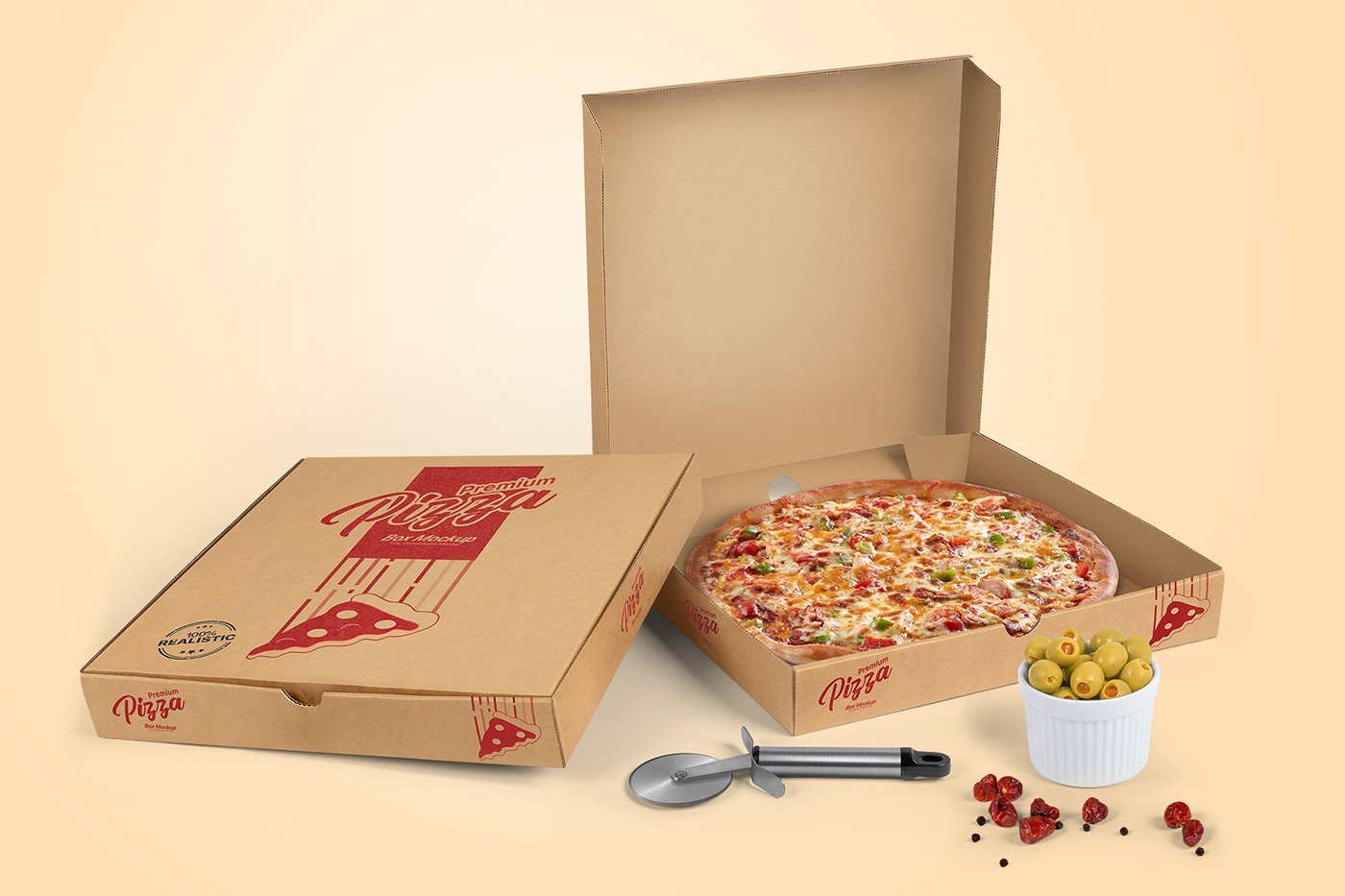
A pizza box is more than simple packaging. It shapes the first impression of the food inside. A well-designed box can protect, preserve, and even promote a brand at the same time. Below are the key features that work together to create a perfect box for pizzas.
Strong and Durable Material
The material used for a pizza box is the backbone of its performance. Strong and durable materials keep the food safe from damage and contamination during delivery or storage. A sturdy corrugated board or high-quality cardboard provides the needed strength without being too heavy. This ensures that the box does not bend or collapse when the pizza is placed inside.
A durable box also resists grease and moisture. Without this protection, the box can become soggy and lose its shape. When the structure holds firm, it keeps the pizza intact and prevents toppings from sliding off. It also makes stacking boxes easier, which is essential for restaurants handling large orders.
A strong material improves customer confidence. People notice when packaging feels solid in their hands. It signals that the brand values quality and wants the food to arrive fresh. The material can also be sourced from sustainable forests or recycled fibers, which shows responsibility toward the environment. By choosing the right material, businesses combine strength, safety, and sustainability in one package.
Branding and Customization Options
Branding and customization options turn a plain box into a marketing tool. Companies can print their logo, contact information, or promotional messages on the surface. They can also choose colors and fonts that match their brand identity.
Customized boxes create a sense of professionalism. They show that a business is serious about its image and values consistency. This can help small restaurants compete with larger chains by making them look established.
Promotions or seasonal offers can also be printed directly on the box. This encourages repeat purchases and keeps customers engaged. By combining function with branding, a restaurant turns every delivery into an opportunity to advertise. A well-designed custom pizza box can even become part of a customer’s memory of the meal, making them more likely to return.
Proper Heat Retention
Keeping pizza warm is one of the main jobs of a box. Proper heat retention ensures that the pizza stays fresh and tasty during transport. This is achieved through insulation properties in the box material. The design must trap heat while still allowing a small amount of steam to escape.
If too much steam is held inside, the crust can become soggy. If too much heat escapes, the pizza cools down quickly. A balanced system helps maintain the ideal temperature. Some boxes feature special vent holes placed strategically. These allow moisture to exit without letting the heat escape too fast.
Restaurants gain a good reputation when customers receive hot pizzas that taste like they came straight out of the oven. Heat retention also reduces complaints and refund requests. It gives people confidence that their order will be worth the price. When a brand focuses on this feature, it strengthens customer loyalty and repeat business.
Eco-Friendly Design Choices
Sustainability has become a major factor in packaging decisions. Eco-friendly design choices show that a company cares about the planet. This can include using recycled materials, biodegradable coatings, or soy-based inks for printing. Each choice reduces the environmental impact of the box after use.
Customers are more aware than ever of waste and pollution. They often prefer brands that take visible steps toward sustainability. A pizza box designed with the environment in mind appeals to these values. It makes people feel good about their purchase beyond just enjoying their meal.
An eco-friendly box also helps restaurants comply with local regulations on waste management. In many regions, single-use plastics or harmful coatings are being banned. By using green materials early, a business can stay ahead of these rules. The result is a packaging solution that protects both the food and the environment at once.
Attractive Visual Appeal
The look of the box matters almost as much as its function. Attractive visual appeal helps the packaging stand out and reinforces the brand identity. Colors, logos, and graphics create a memorable experience for customers even before they open the box.
A clean and modern design can make a pizza place seem more premium. On the other hand, a playful design with bright colors can appeal to families or younger customers. The key is to match the visuals with the personality of the restaurant. High-resolution printing and quality ink ensure that the artwork looks sharp and professional.
Visual appeal also works as free marketing. When people carry the box out of the store or post pictures online, the design spreads the brand message. It turns a simple container into a mobile advertisement. By investing in a striking look, a business can increase recognition and attract new customers.
Right Size and Shape
A well-fitting box is essential for maintaining pizza quality. Boxes that are too large leave room for the pizza to slide around, which can damage the crust and toppings. Boxes that are too small squeeze the pizza and can cause mess or deformation. The right size keeps everything in place.
Some brands use square boxes for round pizzas because they are easier to store and stack. Others experiment with new shapes for a unique presentation. Whatever the shape, it should be practical for both the restaurant and the customer. The box must also be easy to open and close without tearing or spilling food.
The right size also reduces waste. Less material is needed for a snug box compared to an oversized one. This saves costs and supports environmental goals. When a business pays attention to size and shape, it shows attention to detail and care for the dining experience.
Secure and Easy Handling
Ease of handling is another critical feature. A good box should be simple to carry and transport without risk of accidents. Secure flaps or locking mechanisms keep the lid closed tightly. This prevents heat from escaping and toppings from shifting.
Boxes should also be designed to support stacking. Restaurants often deliver multiple pizzas at once. If the boxes slide or collapse under weight, it can ruin the order. A stable design reduces these risks and makes staff work easier.
From a customer’s perspective, easy handling adds convenience. People want to carry their food without worrying about spills. A box with finger grooves or a slightly thicker edge makes it more comfortable to hold. Small improvements like this show that a business values the customer’s comfort as much as the food.
Effective Ventilation System
An effective ventilation system keeps the pizza crust crisp. As the pizza cools, steam builds up inside the box. Without vents, this moisture softens the crust and affects flavor. Properly placed ventilation holes release just enough steam to maintain quality.
The size and position of the vents matter. They should be small enough to prevent heat loss but large enough to let moisture escape. Some designs include multiple small holes spread across the lid. Others use a patterned cut-out for both function and style.
Good ventilation also prevents condensation from dripping back onto the pizza. This keeps the toppings fresh and visually appealing. Customers notice these details when they open the box. A crisp crust and dry toppings leave a stronger positive impression than a soggy meal.
Cost-Effective Production
Cost-effectiveness is essential for any business. A box that meets all quality standards but costs too much will hurt profits. Balancing quality with price requires smart choices in materials, printing methods, and suppliers.
Bulk ordering often reduces the cost per unit. However, businesses should also consider storage space and delivery schedules to avoid waste. Recyclable materials can sometimes be cheaper than traditional options, especially when bought in large volumes.
A cost-effective box does not mean sacrificing quality. It means optimizing every part of the design and supply chain to achieve both performance and affordability. This allows restaurants to offer great packaging without increasing menu prices. In turn, customers enjoy good service at a fair cost, which strengthens loyalty.
Enhanced Customer Experience
All the features above work together to create an enhanced customer experience. A strong box protects the food, heat retention keeps it fresh, and appealing visuals make it exciting to open. Eco-friendly materials add a sense of responsibility, while branding reinforces recognition.
When customers receive their order in excellent condition, they are more likely to recommend the restaurant to others. Positive reviews and repeat orders grow naturally from this satisfaction. Packaging may seem secondary, but it has a direct effect on customer perception.
Restaurants that invest in better packaging show that they value every part of the dining experience. From the first look at the box to the last bite of pizza, customers feel cared for. This emotional connection leads to loyalty and word-of-mouth marketing, which are vital in a competitive market.
Conclusion
A well-designed pizza box is more than just packaging; it is an extension of the customer experience. When a business invests in strong materials, proper heat retention, eco-friendly design, attractive visuals, and the right size and shape, it ensures that the food arrives fresh and appealing. Secure handling, effective ventilation, branding, cost-effectiveness, and customer-focused features all combine to turn an ordinary container into a tool for quality and marketing. By paying attention to these elements and using a thoughtfully crafted custom pizza box, restaurants can protect their product, impress their customers, and build long-term loyalty in a highly competitive market.