ISCOPE Publications’ Complete Guide: Publishing in Scopus Indexed Journals 2026!
By ISCOPE Publications 26-02-2026 166
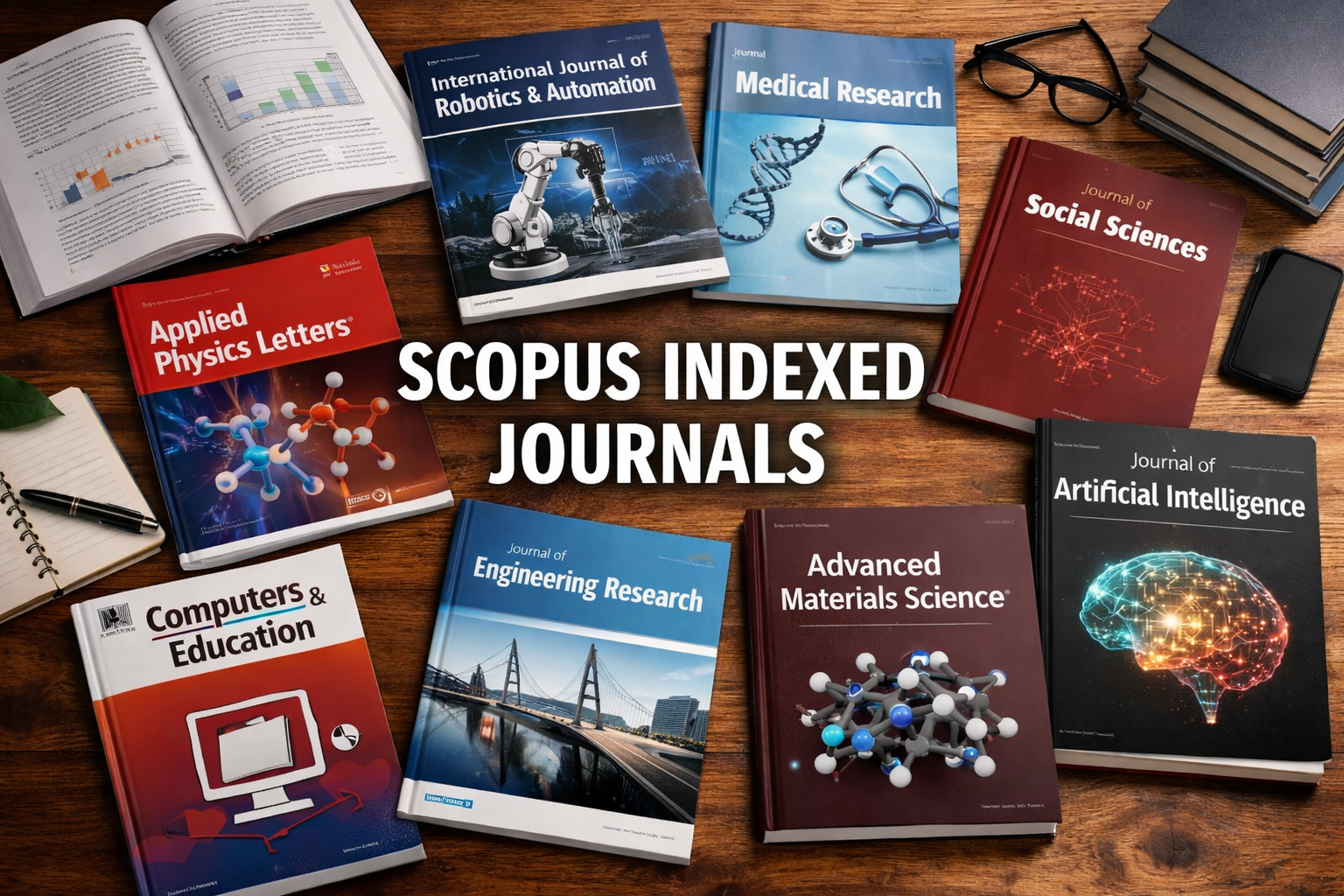
Publishing in Scopus indexed journals 2026 is a key milestone for researchers looking to gain global recognition and advance their academic careers. With the increasing competition and strict publication standards, understanding the submission process and journal requirements is essential. ISCOPE Publications’ Complete Guide provides researchers with practical, step-by-step instructions on preparing manuscripts, selecting the right journals, following formatting guidelines, and navigating the peer review process. Get Learn More
Understanding Scopus-Indexed Journals
Scopus indexed journals 2026 are scholarly journals that meet strict quality standards and are listed in the Scopus database, one of the world’s largest and most trusted citation platforms. Journal becomes Scopus-indexed based on rigorous evaluation criteria such as peer review quality, publication ethics, citation impact, and consistency of publication.
Preparing Your Research Manuscript
A well-prepared manuscript is the foundation for a successful submission to Scopus indexed journals 2026. Clear structure concise writing, and adherence to academic standards increase your chances of acceptance and make your research more impactful.
Selecting the Right Scopus-Indexed Journal
Choosing the right journal is a important step for publishing your research in Scopus indexed journals 2026. Selecting a journal that aligns with your study increases the chances of acceptance and ensures your work reaches the appropriate academic audience. Making your choice, consider factors such as the journal’s scope, impact factor, target audience, and submission guidelines, as elements play a significant role in determining the visibility and credibility of your research. Several online tools can help identify suitable Scopus-indexed journals, streamlining the selection process.
Formatting and Referencing Guidelines
Proper formatting and accurate referencing are essential for a successful submission to Scopus indexed journals 2026. Each journal has its own specific formatting requirements, including font style, headings, figures, tables, and word limits, so carefully reviewing the journal’s guidelines is important. Citation style is equally important, with formats such as APA, IEEE, or Vancouver commonly used in Scopus-indexed publications. Ensuring that all references are correctly cited and formatted not only maintains academic integrity but also demonstrates professionalism. By adhering to these standards and thoroughly proofreading your manuscript, you create a polished and submission-ready research paper, increasing the likelihood of acceptance and a smooth publication process.
The Submission Process
Submitting your research to Scopus indexed journals 2026 requires careful attention to each step to ensure a smooth process. Typically, the submission involves uploading your manuscript through the journal’s online portal, completing author details, and providing necessary documents such as cover letters or supplementary files. Different journals may have slightly varying requirements, so it’s important to review the portal guidelines carefully. Some journals may also charge submission fees, which should be handled according to their instructions.
Common Mistakes to Avoid
When submitting to Scopus indexed journals 2026, researchers often encounter common pitfalls that can delay or prevent acceptance. These include failing to follow journal guidelines, submitting poorly structured manuscripts, overlooking plagiarism checks, or not addressing the target audience appropriately. To improve your chances of acceptance, it is essential to carefully review submission requirements, maintain clarity and originality in your writing, and ensure all references and formatting meet journal standards. ISCOPE Publications assists authors in avoiding these errors by providing expert guidance on manuscript preparation, journal selection, and submission strategies, helping researchers navigate the publication process efficiently and maximize their chances of getting published in reputable Scopus-indexed journals.
Successfully publishing in Scopus indexed journals 2026 requires careful planning, attention to detail, and a clear understanding of the submission process. By following the strategies outlined in ISCOPE Publications’ Complete Guide, researchers can prepare high-quality manuscripts, choose the most suitable journals, and handle submissions efficiently. Leveraging expert guidance from ISCOPE Publications ensures a smoother publication journey, helping your research gain visibility, credibility, and impact. Start applying steps today and take your first step toward getting published in reputable Scopus-indexed journals.