Is Your Home Ready for Kitchen Remodeling in DC? Start with These Upgrades
By Bamu Design Build 18-07-2026 85
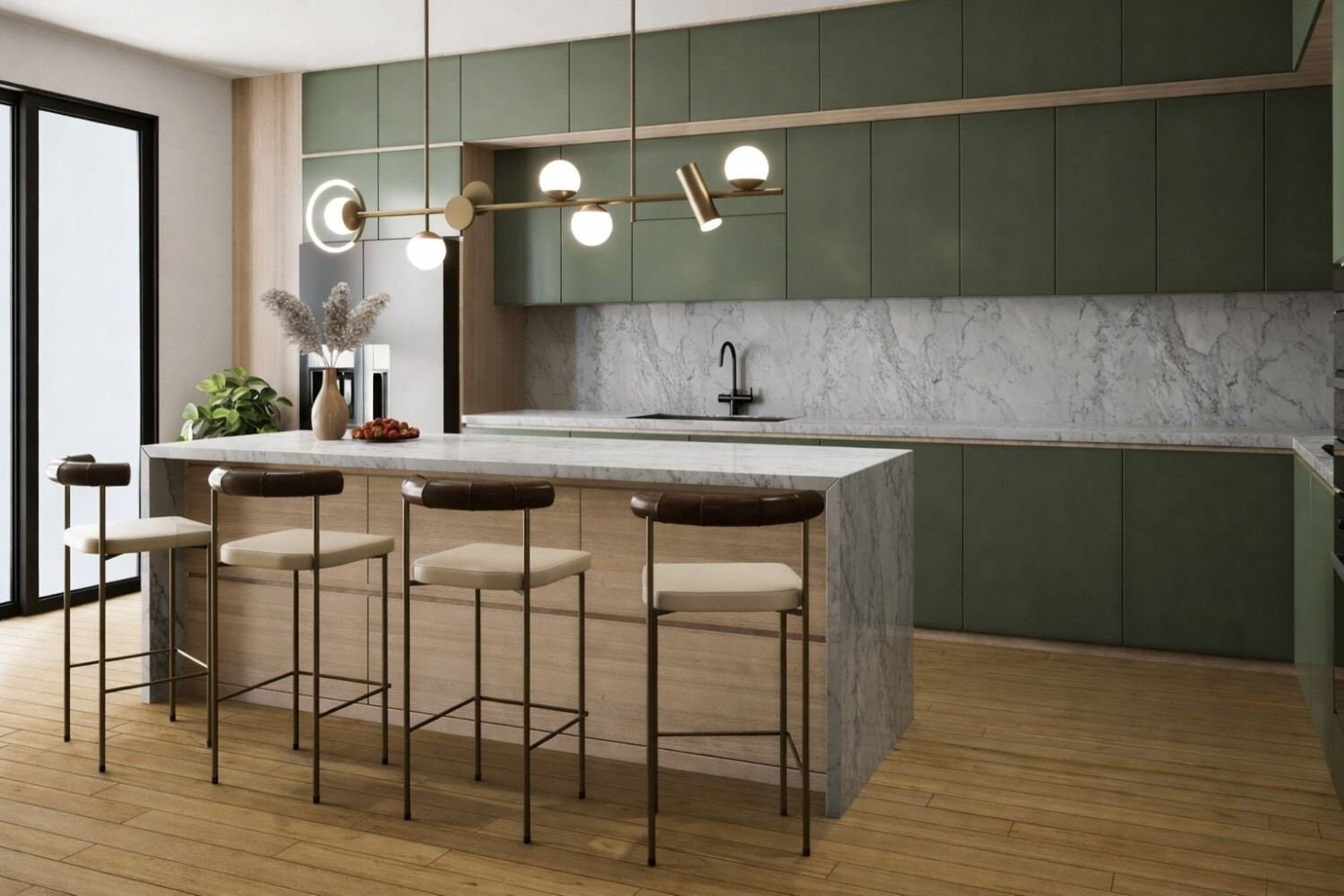
If your kitchen feels outdated, cramped, or just not functional anymore, you are not alone. Many homeowners in the city reach a point where the space that once felt fine now feels tired. Cabinets stick, counters show wear, and the layout no longer matches how your family actually cooks and gathers. Before you jump into a full renovation, it helps to understand what your home truly needs and what upgrades will give you the best results.
Why Kitchen Remodeling in DC Is Worth Considering
Kitchen remodeling in DC has become increasingly popular as older homes and rowhouses are updated for modern living. Many properties in the area were built decades ago, and while they carry charm, their kitchens often lack the storage, lighting, and workflow that today's homeowners expect. Updating your kitchen not only improves daily comfort but can also increase your home's value, especially in a competitive housing market like Washington DC.
A well-planned remodel does more than make your kitchen look nice. It solves real problems, such as poor lighting, limited counter space, or appliances that no longer meet your needs. Understanding this difference between a cosmetic touch-up and a true functional upgrade is the first step toward a project that actually works for you.
Signs Your Kitchen Needs an Upgrade
Not every kitchen requires a complete overhaul. Sometimes small changes make a noticeable difference. Here are common signs that it might be time to start planning:
- Cabinets are difficult to open or no longer close properly.
- Countertops are chipped, stained, or worn beyond repair.
- The layout feels cramped when more than one person is cooking.
- Lighting is dim or inconsistent across the space.
- Appliances are old, noisy, or inefficient.
- Storage space is not enough for your current needs.
If two or more of these sound familiar, your kitchen is likely due for some attention.
Start With a Practical Assessment
Before choosing paint colors or cabinet styles, take time to walk through your kitchen and note what actually bothers you. Is it the lack of counter space? The outdated lighting? The kitchen layout that turns cooking into a chore? Writing these details down gives you a clear picture of your priorities. This step also helps you avoid spending money on upgrades that look good but do not solve your real problems.
It also helps to think about how your kitchen will be used in the next five to ten years. Are you planning to cook more, host guests, or accommodate a growing family? Planning with the future in mind prevents you from redoing the same space again too soon.
Key Upgrades to Consider
1. Cabinet Refresh or Replacement
Cabinets take up a large portion of visual space in any kitchen. If they are structurally sound but look dated, refacing or repainting can be a cost-effective solution. If they are damaged or poorly designed, full replacement may be a better long-term choice.
2. Countertop Materials
Durable materials such as quartz or granite can transform the look and function of your kitchen. They resist stains, scratches, and heat, making daily use much easier while also improving the overall appearance.
3. Improved Lighting
Good lighting changes how a kitchen feels and functions. Adding under-cabinet lighting, pendant lights over an island, or brighter ceiling fixtures can make the space feel larger and more welcoming.
4. Better Storage Solutions
Pull-out shelves, deep drawers, and vertical storage options help you make the most of limited space. This is especially useful in older homes where kitchens tend to be smaller.
5. Updated Appliances
Newer appliances are often more energy-efficient and better suited to modern cooking habits. Even replacing one or two outdated appliances can noticeably improve your kitchen experience.
6. Flooring Updates
Worn or outdated flooring can make even a newly upgraded kitchen look incomplete. Durable, easy-to-clean materials like tile or luxury vinyl are popular choices for busy households.
Budgeting Wisely
One common mistake homeowners make is starting a project without a clear budget. Before you begin, decide how much you are willing to spend and set aside a small buffer for unexpected costs. Prioritizing your must-have upgrades over nice-to-have extras helps you stay on track financially while still achieving meaningful improvements.
It is also wise to get quotes from more than one contractor. Comparing estimates helps you understand fair pricing in your area and gives you a better sense of what is realistic for your specific project.
Working With Professionals
While some upgrades can be done independently, larger changes such as plumbing, electrical work, or structural adjustments should always involve licensed professionals. Experienced contractors understand local building codes, permit requirements, and the unique challenges that come with older homes in the region. Their expertise ensures your project is safe, compliant, and built to last.
Final Thoughts
Getting your home ready for a kitchen update does not have to feel overwhelming. Start by identifying what truly bothers you about your current space, then prioritize upgrades that solve those problems. Whether it is new countertops, better lighting, or improved storage, small and thoughtful changes can make a big difference.
If you are considering kitchen remodeling in DC, taking these initial steps will help you move forward with confidence. A well-planned approach not only improves your daily life but also adds lasting value to your home.
Frequently Asked Questions
Q1. How long does a typical kitchen remodel take?
Most kitchen remodels take between four to eight weeks, depending on the scope of work and whether structural changes are involved.
Q2. Do I need a permit for kitchen remodeling?
In many cases, yes, especially if the project involves electrical, plumbing, or structural changes. It is best to check with local authorities before starting.
Q3. What is the most cost-effective upgrade for an older kitchen?
Cabinet refacing and updated lighting are often the most budget-friendly upgrades that still create a noticeable improvement.
Q4. Should I remodel the entire kitchen at once or in phases?
This depends on your budget and how much disruption you can handle. Some homeowners prefer phased upgrades to spread out costs over time.
Q5. How can I make a small kitchen feel bigger without major construction?
Lighter colors, better lighting, and smart storage solutions can make a small kitchen feel more open without changing its footprint.